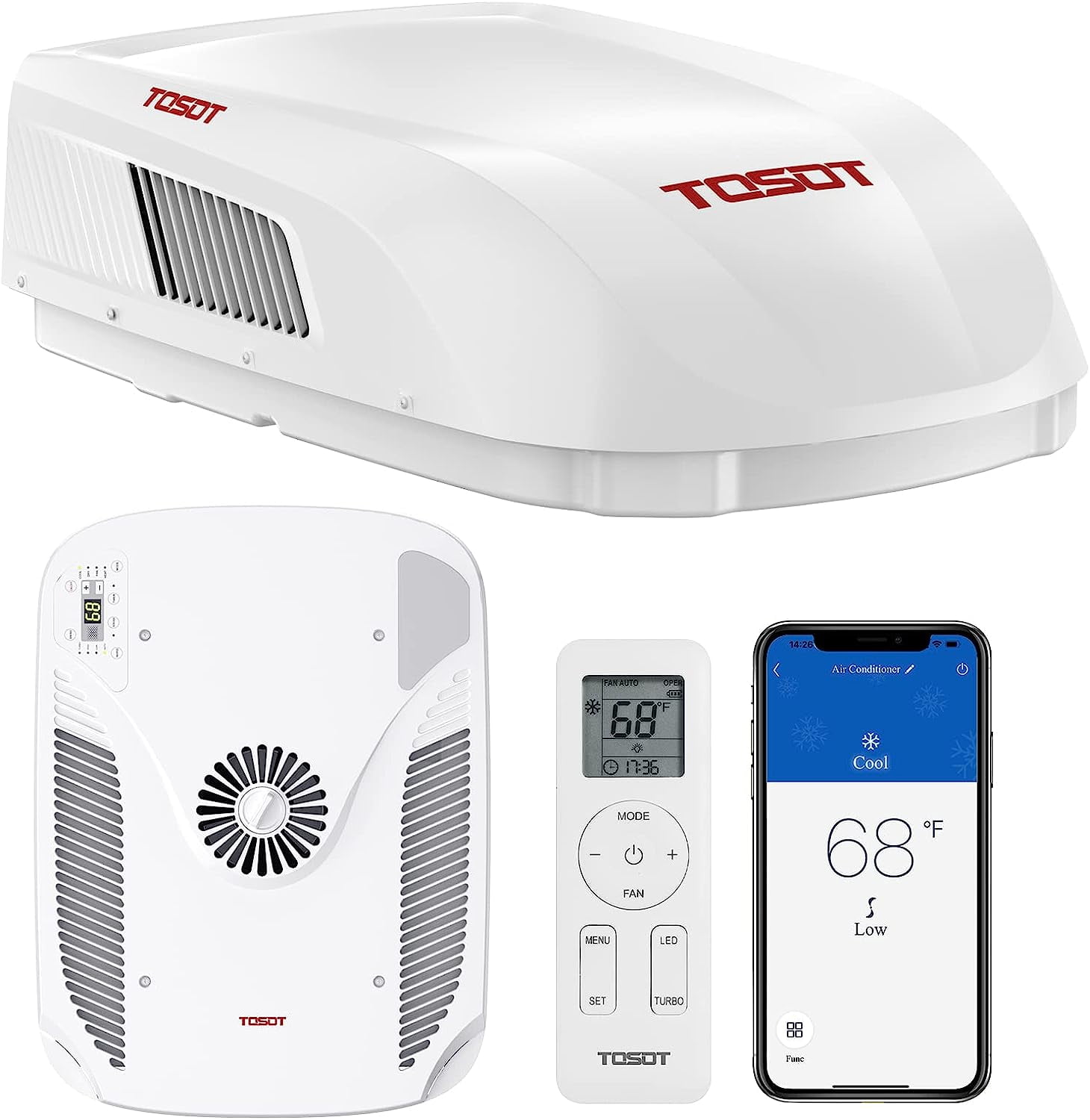
Most Energy Efficient Rv Air Conditioner

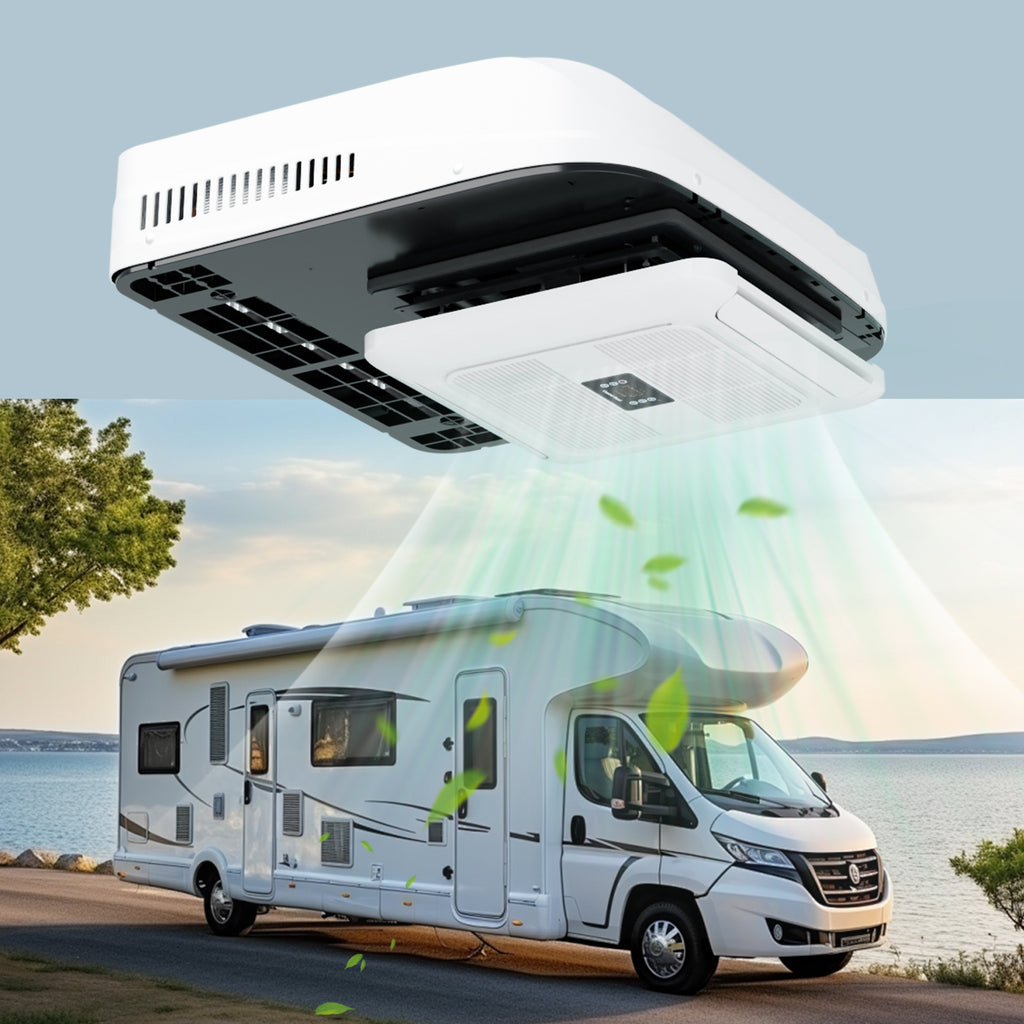
Okay, picture this: you're on the road, living the RV dream! Sun shining, windows down (when you’re driving, of course!), and the smell of freedom in the air. But then…BAM! You arrive at your campsite in the middle of July. It's hotter than a jalapeno in a sauna! The dream is fading faster than ice cream on a dashboard. That's where the right RV air conditioner becomes your absolute best friend.
We’re not talking about just any AC unit, though. We’re talking about the MVP, the superhero, the… most energy-efficient RV air conditioner! Why energy-efficient? Well, unless you want to sell a kidney to pay your campground electric bill, you need to pay attention. Let’s dive in, shall we?
Understanding the Energy Hog (and How to Tame It)
RV air conditioners are notorious energy guzzlers. Think of them as the gas-guzzling monster truck of the appliance world. They can suck up power faster than you can say "Where's the lemonade?" That’s why finding a model that sips electricity instead of chugging it like a frat boy at a keg party is crucial.
Must Read
What makes an AC unit efficient? It all boils down to something called EER, or Energy Efficiency Ratio. This is basically the miles per gallon for your air conditioner. The higher the EER rating, the less electricity it uses to produce the same amount of cooling. Think of it like this: a high EER is like having a tiny hummingbird of an AC unit – it flutters and cools without making a dent in your power reserves. A low EER is like having a whole flock of ravenous eagles demanding constant electricity snacks.
Another important factor is the BTU (British Thermal Unit) rating. This measures the cooling capacity of the unit. You need enough BTUs to cool your RV, but don't go overboard! Too many BTUs and you’ll be chilling in an icebox, too few and you’ll still be sweating like you're in a yoga class in the Amazon. It’s a Goldilocks situation: you want it just right!
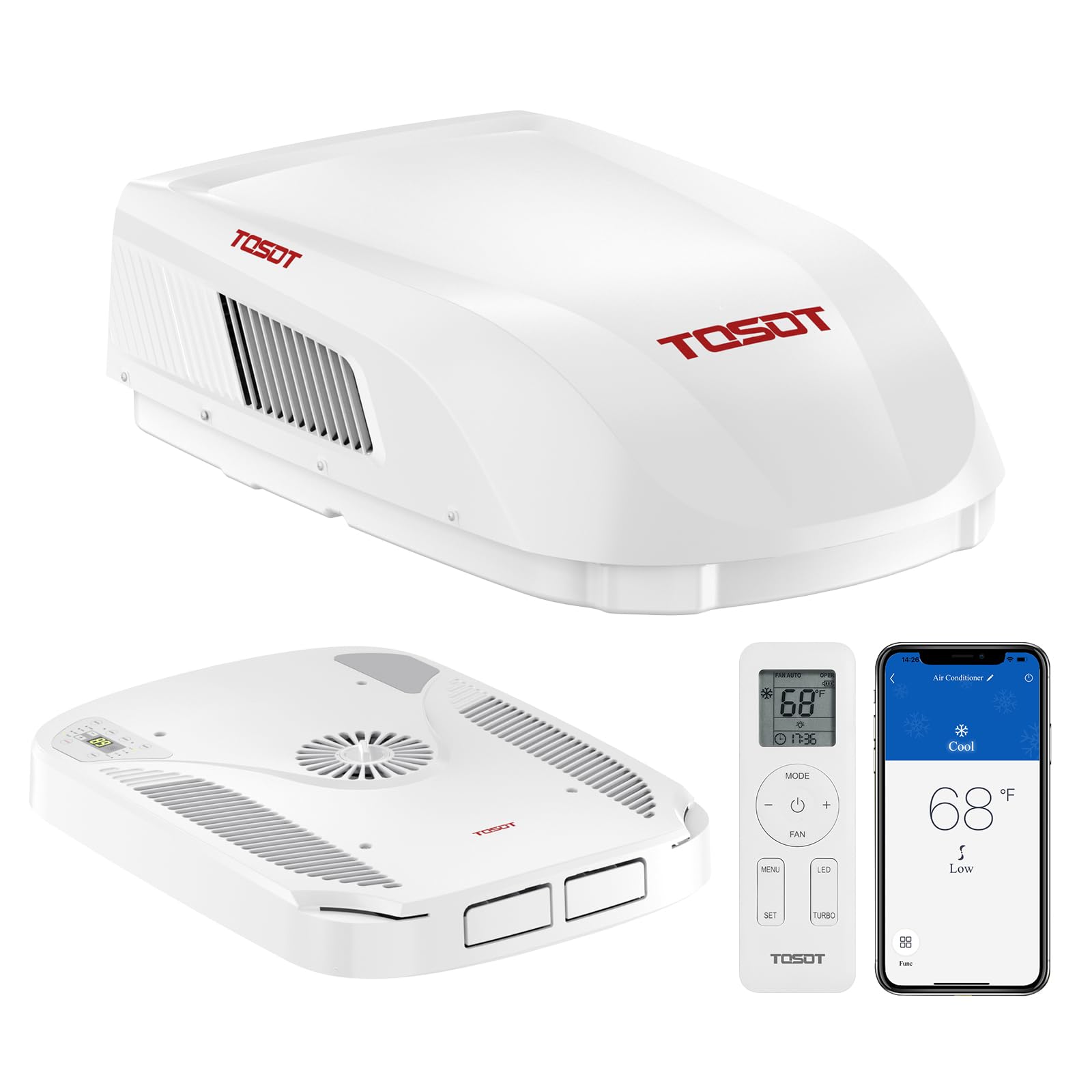
Spotting the Super Sippers: Key Features to Look For
So, how do you find these energy-sipping saviors? Here are a few clues:
- High EER Rating: Aim for an EER of 10 or higher. It’s like finding a unicorn that also brews coffee – rare, but totally worth it.
- Inverter Technology: Inverter ACs are the ninjas of the AC world. They adjust their cooling output based on the actual temperature, rather than just blasting full power all the time. This saves energy and keeps the temperature more consistent.
- Proper Insulation: Okay, this isn’t a feature of the AC, but it’s crucial. Make sure your RV is well-insulated! It's like putting a cozy sweater on your RV to keep the cool air in and the hot air out. Think of it as a long-term investment in staying cool and saving money.
Real World Wins (and the Occasional Doh!)
I remember one camping trip where my friend decided to go full bargain-basement on his RV air conditioner. It was loud, inefficient, and barely cooled his tiny trailer. He spent the whole weekend glued to the electrical outlet, sweating buckets, and muttering about "false advertising." The moral of the story? Don't be that guy! Invest in a quality, energy-efficient RV AC – your comfort (and your wallet) will thank you.

On the other hand, my neighbor opted for a fancy, inverter-driven, high-EER model. He was practically living in an igloo while the rest of us were fanning ourselves with maps. He could run his AC all day and night without even making a dent in his battery bank. He’s basically the RV AC guru now. I take notes every time he speaks.
Choosing the most energy-efficient RV air conditioner is like choosing the right partner for a road trip. You want someone reliable, efficient, and capable of keeping you comfortable even when things get a little… heated. So, do your research, compare models, and don't be afraid to splurge a little. After all, your comfort (and your sanity) is worth it!
The journey to a cooler RV is paved with good EER ratings! - Someone Wise (Probably Me)
Now go forth, conquer the heat, and enjoy your RV adventures! Just remember to bring sunscreen and maybe a backup fan… just in case.