Monocrystalline Solar Panels Versus Polycrystalline
Ever thought about harnessing the sun's incredible power right from your own backyard? It's not just for tech titans or massive power plants anymore! Embracing solar energy has become a wonderfully accessible journey, almost like choosing your favorite medium for a personal project. It’s a chance to truly create your own sustainable future, one ray of sunshine at a time. For the budding environmentalist, the curious homeowner, or even the savvy hobbyist looking to power their workshop, diving into solar is an exciting adventure in self-sufficiency.
The beauty of learning about solar panels lies in its empowerment. It's a practical skill for anyone with a DIY spirit, offering tangible benefits that go beyond just saving money. Imagine powering your garden lights, charging your gadgets, or even running a small cabin entirely from the sun. It’s an act of modern homesteading, turning you into an energy architect. Casual learners will find it fascinating how a simple piece of technology can make such a profound difference, and the sheer satisfaction of watching your meter spin backwards (or not spin at all!) is truly rewarding.
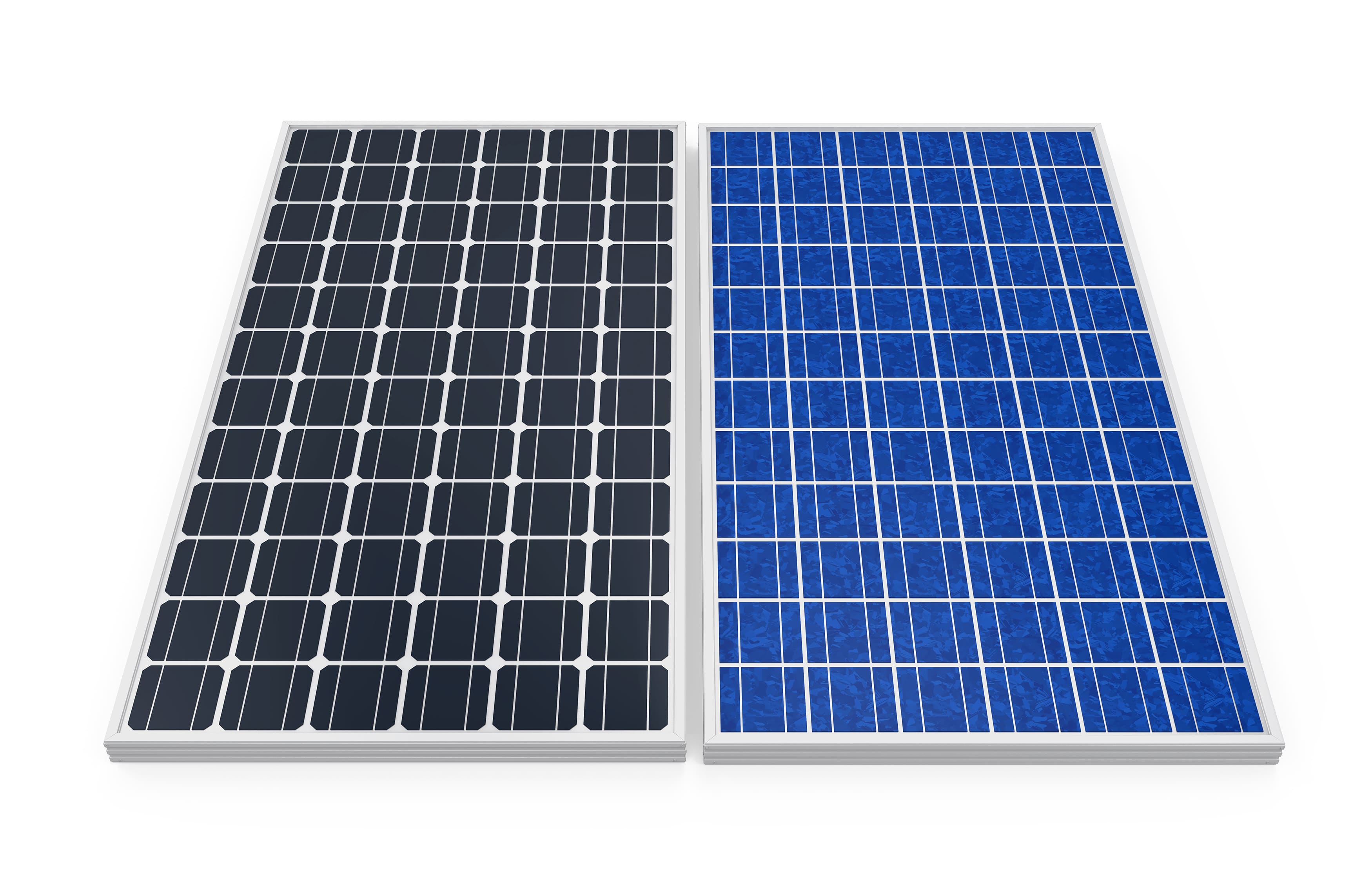
When you start exploring, you'll quickly encounter the two main stars of the residential solar world: Monocrystalline and Polycrystalline panels. Think of them as two different types of brushes in your artistic toolkit, each with its own strengths and character.
Must Read
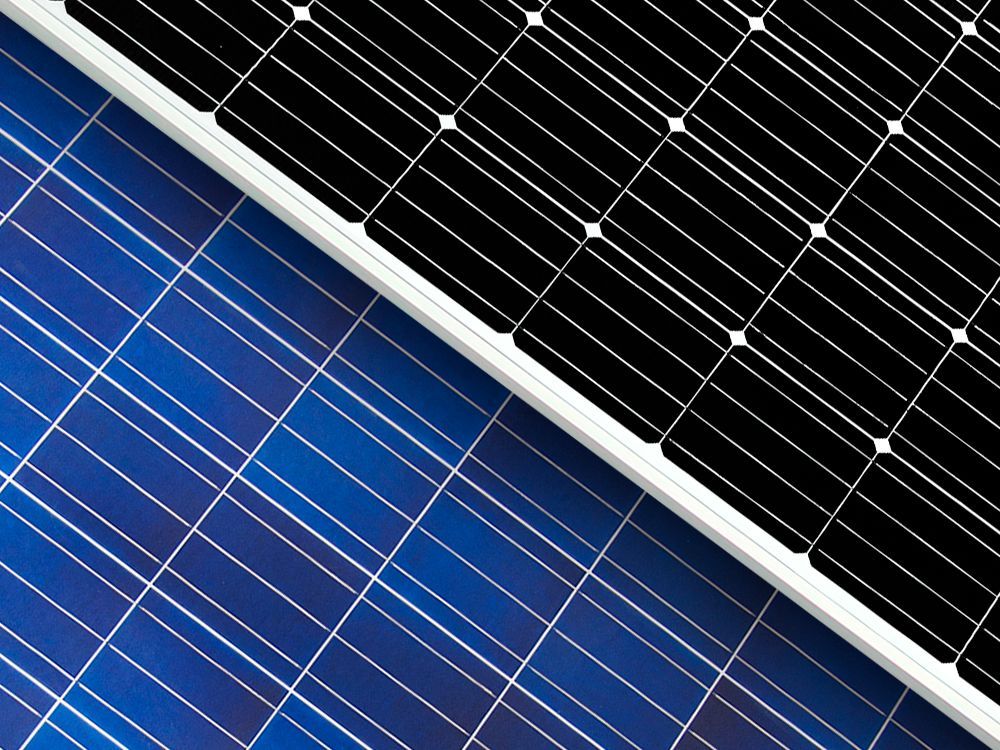
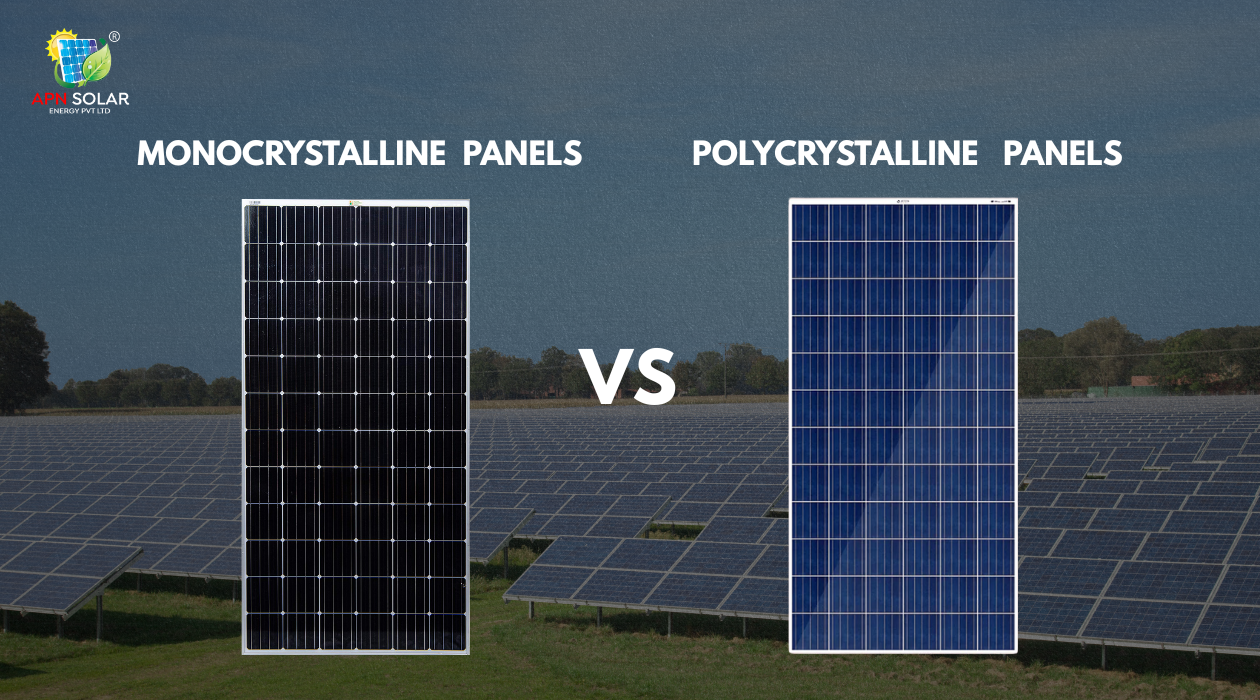
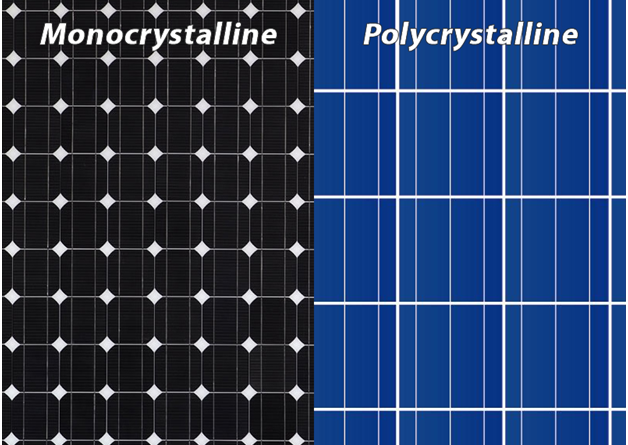
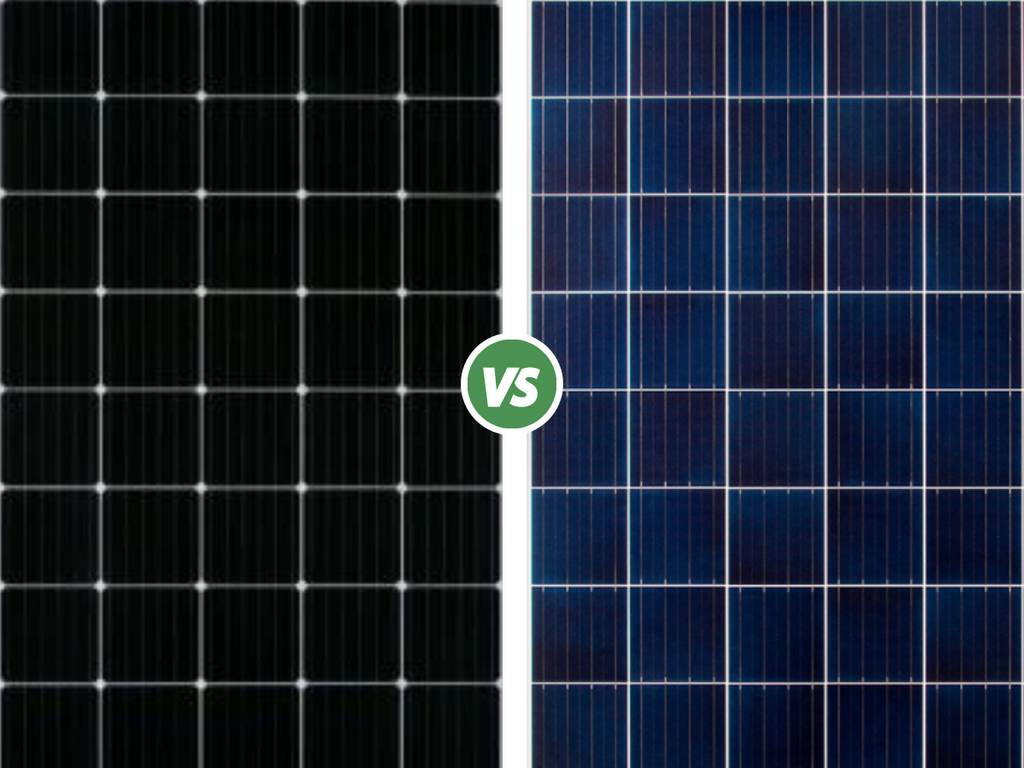
First up, we have the Monocrystalline panels. These are the sleek, dark, uniform beauties often seen on high-end installations. Crafted from a single, pure silicon crystal, they are the efficiency champions. They boast a higher power output per square foot, making them ideal for spaces where real estate is at a premium, like a small urban rooftop or a compact RV. If you envision a minimalist, powerful energy solution, monocrystalline panels are your go-to, delivering maximum punch in a smaller footprint. They are often a bit pricier, but their performance can justify the investment for many.
Then there are the Polycrystalline panels. Recognizable by their slightly blue, speckled appearance, these panels are made from multiple silicon fragments melted together. They might be a touch less efficient than their monocrystalline cousins, but they are often more budget-friendly. Polycrystalline panels are the reliable, versatile workhorses of the solar world, offering excellent performance for their cost. If you have ample roof space or are embarking on a larger project where cost-effectiveness is key, like a community garden power source or a substantial home array, polycrystalline panels shine brightly. They offer fantastic value and robust energy production.
So, how can you start your own solar journey at home? It's easier than you think! Begin by assessing your energy needs. Are you just looking to power a small shed, or dreaming of reducing your entire electricity bill? Many hobbyists start with portable solar kits for camping or small off-grid projects. These often include a small panel, a charge controller, and a battery, providing a fantastic hands-on learning experience. Research your local regulations, explore online tutorials for DIY setups, and always prioritize safety, especially when dealing with electricity. Don't be afraid to start small; every watt counts!
Ultimately, the joy of exploring monocrystalline versus polycrystalline panels, and indeed the entire world of solar energy, comes from the profound sense of accomplishment. It’s about more than just technology; it’s about taking an active role in building a sustainable future. There’s immense satisfaction in knowing you’re capturing the sun’s free energy, contributing to a cleaner planet, and enjoying a touch of energy independence. It truly is an inspiring and enjoyable pursuit, turning you into a modern-day sun catcher!