
Louis Ck Sorry Special Torrent
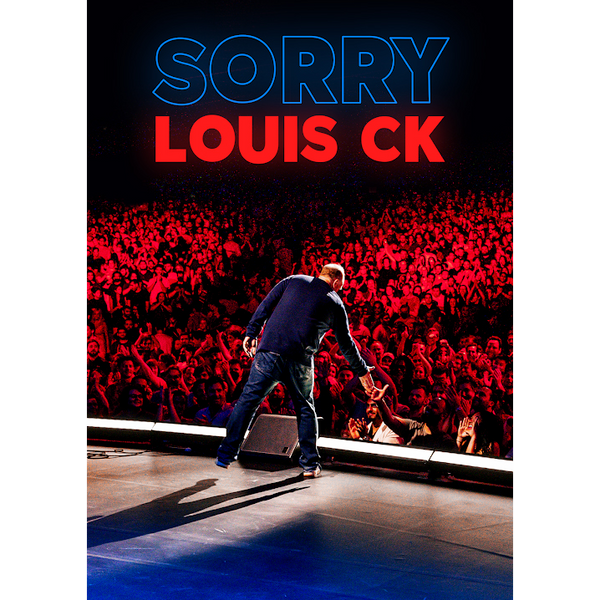
Remember the buzz around Louis C.K.'s comeback? It felt like everyone was talking about it, whether they were thrilled or completely against it.
The Special That Divided a Nation (Sort Of)
His special, aptly named "Sorry," dropped, and instantly became a cultural flashpoint. People had opinions, strong ones, and they weren't afraid to share them. You couldn't scroll through social media without seeing something about it.
Then, the unexpected happened: the torrent of "Sorry" started making the rounds. Suddenly, accessing the special was…easier than ordering takeout.
Must Read
Wait, What's a Torrent Again?
Think of it as a digital potluck. Instead of one person hosting a website and serving up the special, many people share bits and pieces of it. It's decentralized, which makes it, well, tricky to control.
Imagine a group of friends each holding a piece of a puzzle. To see the whole picture (or in this case, watch the comedy special), you need to connect with those friends and assemble the pieces.
The Great Digital Give Away?
So, "Sorry" was out there in the wild. Free. Available to anyone with a decent internet connection and a willingness to navigate the slightly murky waters of torrenting.
Did Louis C.K. authorize this digital free-for-all? Highly unlikely. Was it happening? Absolutely. The internet, as always, found a way.
The conversations shifted. It wasn't just about the content of the special anymore, but also about how people were consuming it.

The Morality Play
It sparked debates about intellectual property, artistic ownership, and the ethics of downloading content illegally. Were people justified in torrenting the special because of the comedian's past? Or was it simply wrong, regardless of the context?
It's a complicated question, and there's no easy answer. Everyone seemed to have their own personal line in the sand.
Some argued that accessing the special this way was a form of protest. A way to express their disapproval without financially supporting the comedian.
The Unintended Consequences
What's fascinating is how the torrent changed the narrative. It took the decision of whether or not to watch "Sorry" out of the financial realm for many.
Suddenly, it was purely about the content itself. Did people find it funny? Thought-provoking? Offensive? The discussions became more nuanced.
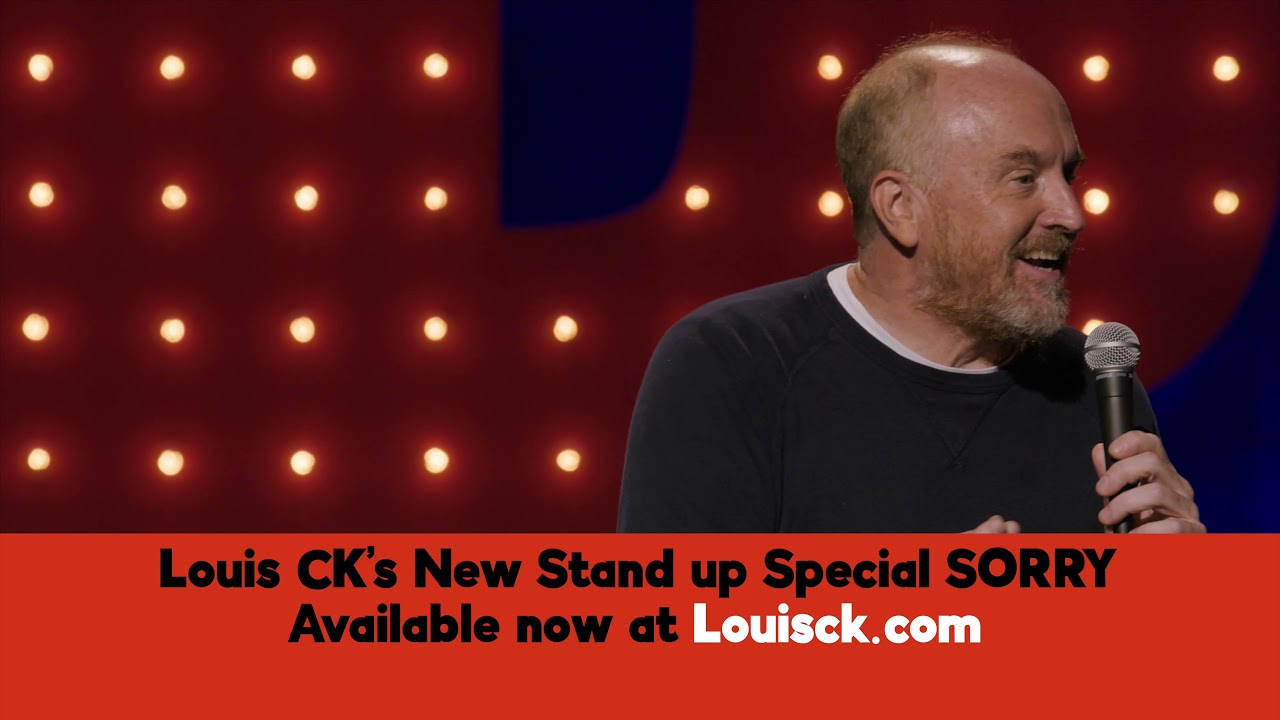
Ironically, the unauthorized distribution probably exposed the special to a wider audience than it would have otherwise reached. More eyeballs, more opinions, more…everything.
The Water Cooler Effect, Amplified
The "Sorry" torrent created a massive, albeit ethically questionable, water cooler moment. Everyone was talking about it, sharing opinions, and debating the merits (or lack thereof) of the special.
It was like a real-time focus group, playing out on social media. A chaotic, unfiltered, and sometimes brutal assessment of Louis C.K.'s attempt at a comeback.
You couldn't escape the discourse, even if you wanted to. The special, and the controversy surrounding it, had become a cultural phenomenon.
The Comedian's Response (Or Lack Thereof)
Louis C.K. himself remained largely silent about the torrent. He let the chips fall where they may, the digital wind carry his special to wherever it landed.
Perhaps he anticipated the unauthorized distribution. Maybe he was simply resigned to the realities of the internet. Whatever the reason, his silence spoke volumes.

It left many wondering if he considered the torrent a form of validation, a sign that people were still interested in his work, even if they weren't willing to pay for it.
A Different Kind of Feedback
While not financially beneficial, the widespread torrenting of "Sorry" offered a unique form of feedback. It was a gauge of public sentiment, a measure of cultural relevance.
It showed that, despite the controversy, people were still curious. They wanted to see what Louis C.K. had to say, even if they weren't comfortable supporting him directly.
It's a strange paradox: disapproval manifested as widespread, free access.
The Lasting Legacy
The "Sorry" torrent is more than just a story about illegal downloads. It's a glimpse into the complexities of the digital age, the shifting landscape of artistic ownership, and the power of collective opinion.
It highlighted the ongoing tension between creators and consumers, and the ever-evolving ways in which content is distributed and consumed.
It's a reminder that in the internet age, nothing is truly controlled. Information, ideas, and yes, even comedy specials, have a way of finding their way into the hands of the masses.
A Case Study in the Digital Wild West
The story of the "Sorry" torrent will likely be studied in media courses for years to come. It's a fascinating case study in copyright infringement, cultural discourse, and the unintended consequences of online piracy.
It raises important questions about the future of entertainment, the role of artists in a digital world, and the ethical responsibilities of consumers.
And, perhaps most importantly, it reminds us that the internet is still, in many ways, a digital wild west, where anything can happen, and often does.
The torrent of Louis C.K.'s "Sorry" is a footnote in comedy history, a blip on the radar of digital piracy, and a conversation starter about the messy realities of art in the age of the internet. It was a moment, strange and revealing, that said a lot more than just "Sorry."