
Locks For Doors With Keys

Ever stopped to really think about the humble lock on your door? Probably not, right? It’s just... there. A silent guardian, a taken-for-granted part of our daily lives. We twist a key, hear that satisfying click, and move on, barely giving it a second thought. But what if we took a moment to peel back the curtain and appreciate the sheer coolness of these little mechanical marvels?
Think about it: a piece of metal, cut in a very specific way, meets another piece of metal, and voilà! A door either swings open or stays stubbornly shut. It’s like a tiny, intricate dance happening right before your eyes, every single day. Isn't that a bit magical?
The Ancient Art of Keeping Things Safe
Locks aren't some new-fangled invention, you know. Humans have been figuring out ways to secure their stuff for thousands of years. We're talking ancient Egypt, folks! Picture wooden bolts and massive wooden keys that looked more like toothbrushes from a giant. They were clunky, sure, but the basic idea was there: a secret pattern to control access.
Must Read
From those early behemoths to the sleek metal wonders we use today, the underlying principle has remained surprisingly similar. It’s a testament to human ingenuity and our universal desire for security and privacy.
How Do They Even Work?! (The Fun Bit)
Okay, so you stick a key in, turn it, and it locks or unlocks. But what’s actually going on inside that little metal cylinder? It’s not just pixie dust, although it feels a bit like it!

Most common door locks are what we call pin tumbler locks. Imagine a series of tiny little pins, stacked on top of each other, held in place by springs. These pins sit across a crucial line called the shear line. When no key is inserted, these pins block the cylinder from turning.
Now, here comes your key! Each key has a unique series of ups and downs, like a miniature mountain range. As you slide your key in, it pushes those pins up and down, lining them up perfectly. It’s like a secret handshake between your key and the lock’s internal mechanics.

When all the pins are pushed to just the right height, they create a perfectly clear path along that shear line. The cylinder is now free to turn, and click! The bolt slides, and your door is secured or opened. Isn't that just brilliant? It's a tiny, complex puzzle solved with every turn of the key!
More Than Just Metal: What a Lock Represents
Beyond the fascinating mechanics, locks hold a deeper significance, don't they? They're not just gadgets; they're symbols. A locked door says, "This is mine," or "This is private." It gives us a sense of ownership over our spaces, our belongings, and even our peace of mind.
Think about the feeling of locking your front door before you leave for a trip. It’s a small, reassuring ritual that brings a wave of calm. That click isn’t just a sound; it’s a feeling of safety, a silent promise that your home is protected.

Or what about the simple act of locking a bedroom door? It’s about creating a personal sanctuary, a space where you can be yourself without interruption. Locks empower us to control our environments, giving us the freedom to relax and feel secure.
The Mighty Key: Your Personal Access Pass
And let's not forget the key itself! This small, often overlooked piece of metal is your personal access pass. It’s like a tiny, physical password that grants you entry. Lose it, and suddenly a simple door becomes an insurmountable barrier. Find it, and the world opens up again.
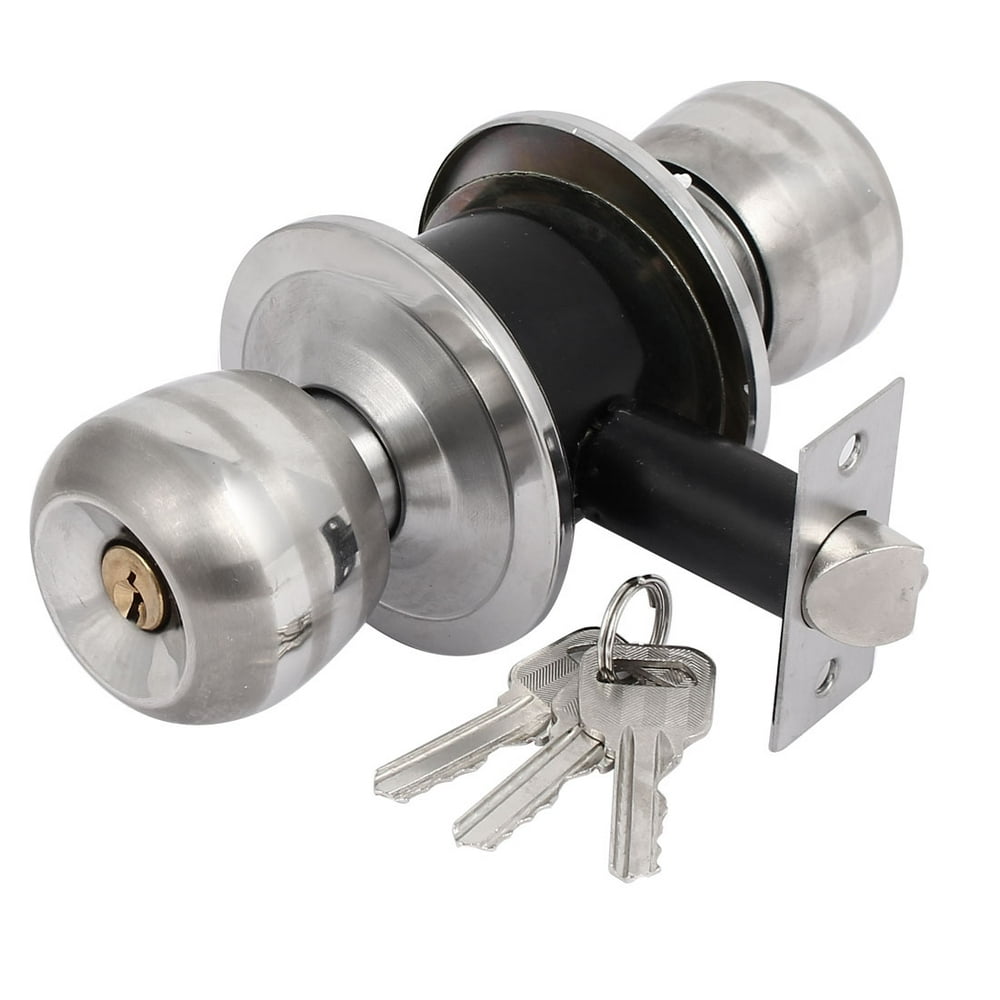
Each key is unique, a specific fingerprint designed to interact with one, or a set, of specific locks. It’s a testament to precision engineering, where fractions of a millimeter make all the difference. Imagine the skill and design that goes into crafting something so specific, yet so commonplace.
A Little Appreciation for the Unsung Hero
So, the next time you use a key to lock or unlock a door, take a brief moment. Appreciate the intricate dance happening within that small mechanism. Marvel at the thousands of years of human ingenuity packed into that humble device.
It's a wonderful blend of history, engineering, and psychology, all designed to give us that fundamental human need: security. Who knew a simple lock and key could be so interesting? They truly are unsung heroes of our everyday lives, quietly doing their important work, one click at a time.