Location Of Carbon Monoxide Detectors In A Homes

Ever thought about how you keep your home safe? It's one of those things that might not sound super exciting at first glance, but trust me, knowing a little bit about it can give you a huge sense of peace. Today, we're diving into the surprisingly practical and incredibly important topic of where to put those vital carbon monoxide (CO) detectors in your home. It's not just about buying them; it's about putting them in the right spots to truly protect your loved ones. Think of it as empowering yourself with knowledge to create a safer, smarter living space!
So, who benefits from this kind of know-how? Pretty much everyone! For beginners or new homeowners, understanding CO detector placement is foundational home safety 101. It's one of the first things you should set up to ensure your new abode is secure. For families, this information is paramount. You want to protect your kids, your pets, and everyone under your roof from this silent, odorless, and invisible threat. Knowing optimal placement means you can rest easier, knowing your family is better safeguarded while they sleep. And even for the home hobbyists or DIY enthusiasts, learning the specifics can help you integrate safety seamlessly into your smart home setup or simply give you the satisfaction of knowing you've done a thorough, professional job protecting your space.
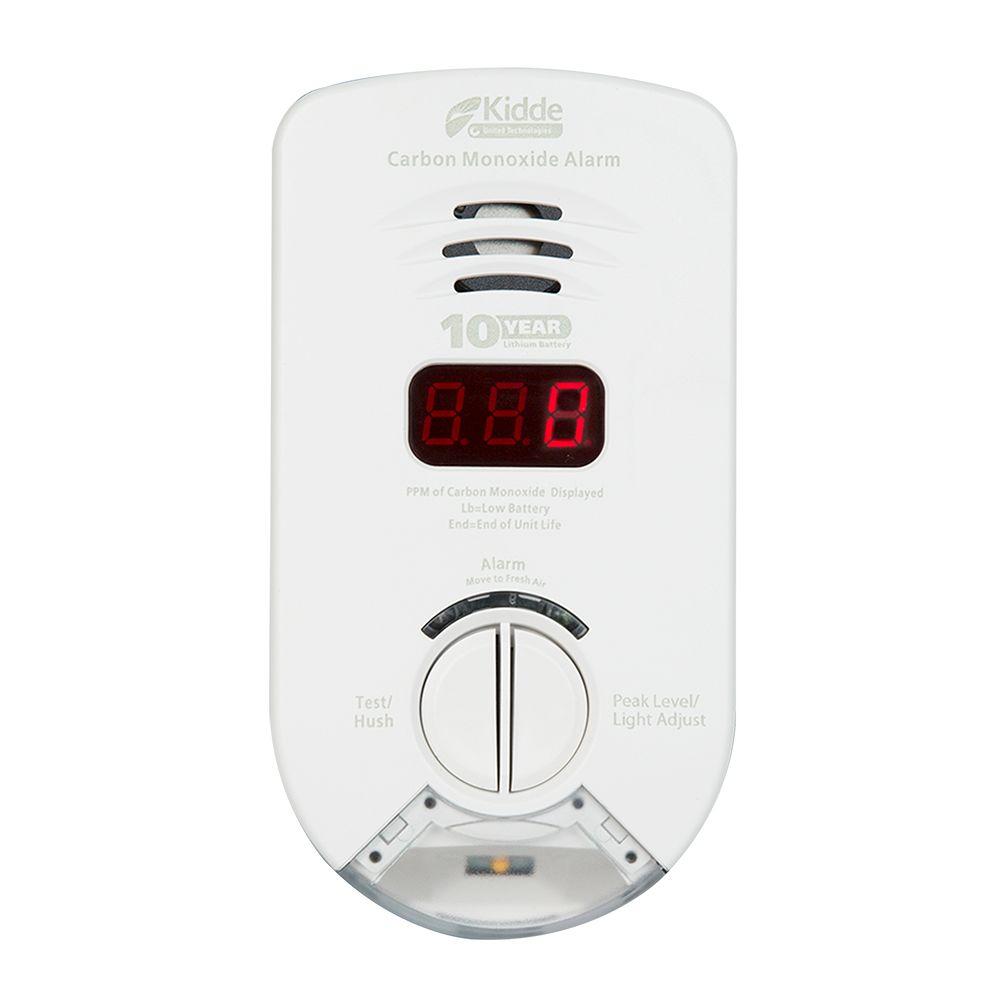
When we talk about placement, it's not a one-size-fits-all, but there are some excellent guidelines. Most common detectors are standalone units, often battery-operated, or they can be combined with smoke detectors. Some newer models even integrate with smart home systems, sending alerts directly to your phone. The key here is not just having a detector, but having them strategically placed. For instance, many people wonder if they should be near the ceiling like smoke detectors, or lower. The truth is, CO mixes with air, so its density isn't a primary factor in placement height; what matters more is proximity to people and potential CO sources.
Must Read
Ready for some simple, practical tips to get started? First and foremost, read the manufacturer’s instructions – seriously, every detector is slightly different! Generally, though, here’s the lowdown:
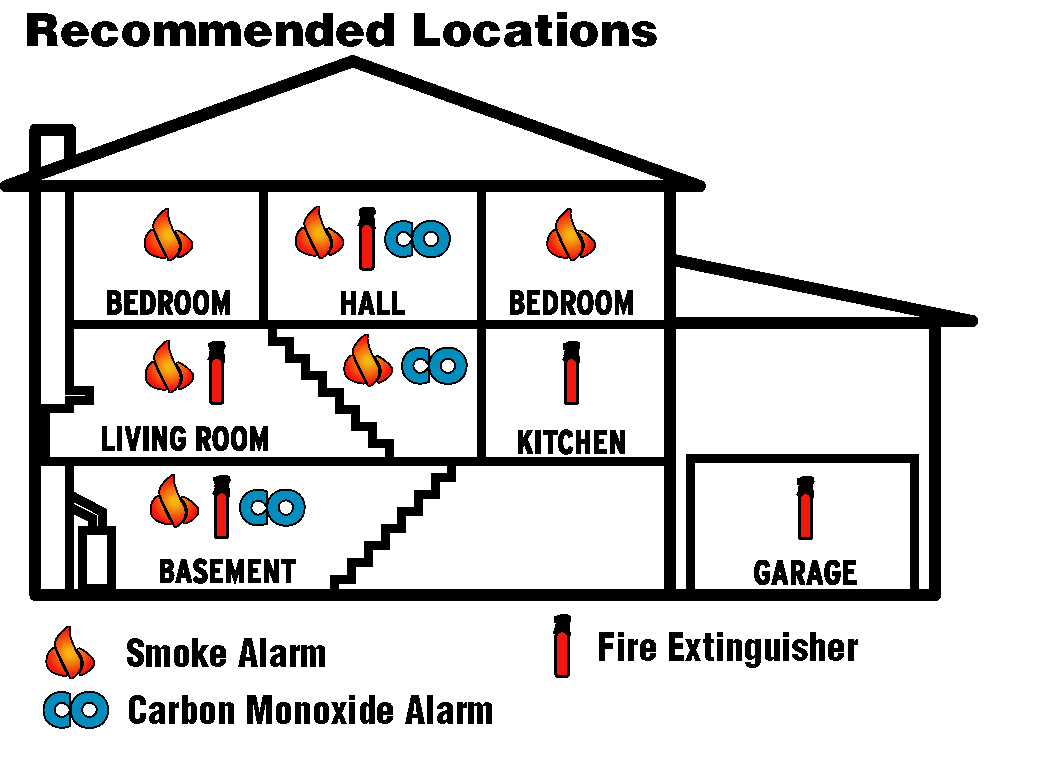
- Place a CO detector on every level of your home, including the basement.
- Install a detector near or inside all sleeping areas. This is crucial because CO poisoning can happen while you're asleep, making it even more dangerous.
- Consider placing an additional detector near any fuel-burning appliances (like furnaces, water heaters, or gas fireplaces), but not directly on top of them or in front of vents, as this can lead to false alarms or reduce sensitivity.
- Avoid placing detectors in "dead air" spaces, like right in the corner of a wall and ceiling, or too close to windows and external doors where drafts might interfere.
- Finally, remember to test your detectors monthly and replace batteries annually, or as recommended by the manufacturer.
See? Knowing where to put those little guardians isn't just about technicalities; it's about creating a tangible sense of security for you and your household. It's a small effort that pays off with priceless peace of mind. So, go ahead, check your detectors, optimize their placement, and enjoy the comfort of a truly safe home!