Levels Of Organization From Simplest To Most Complex

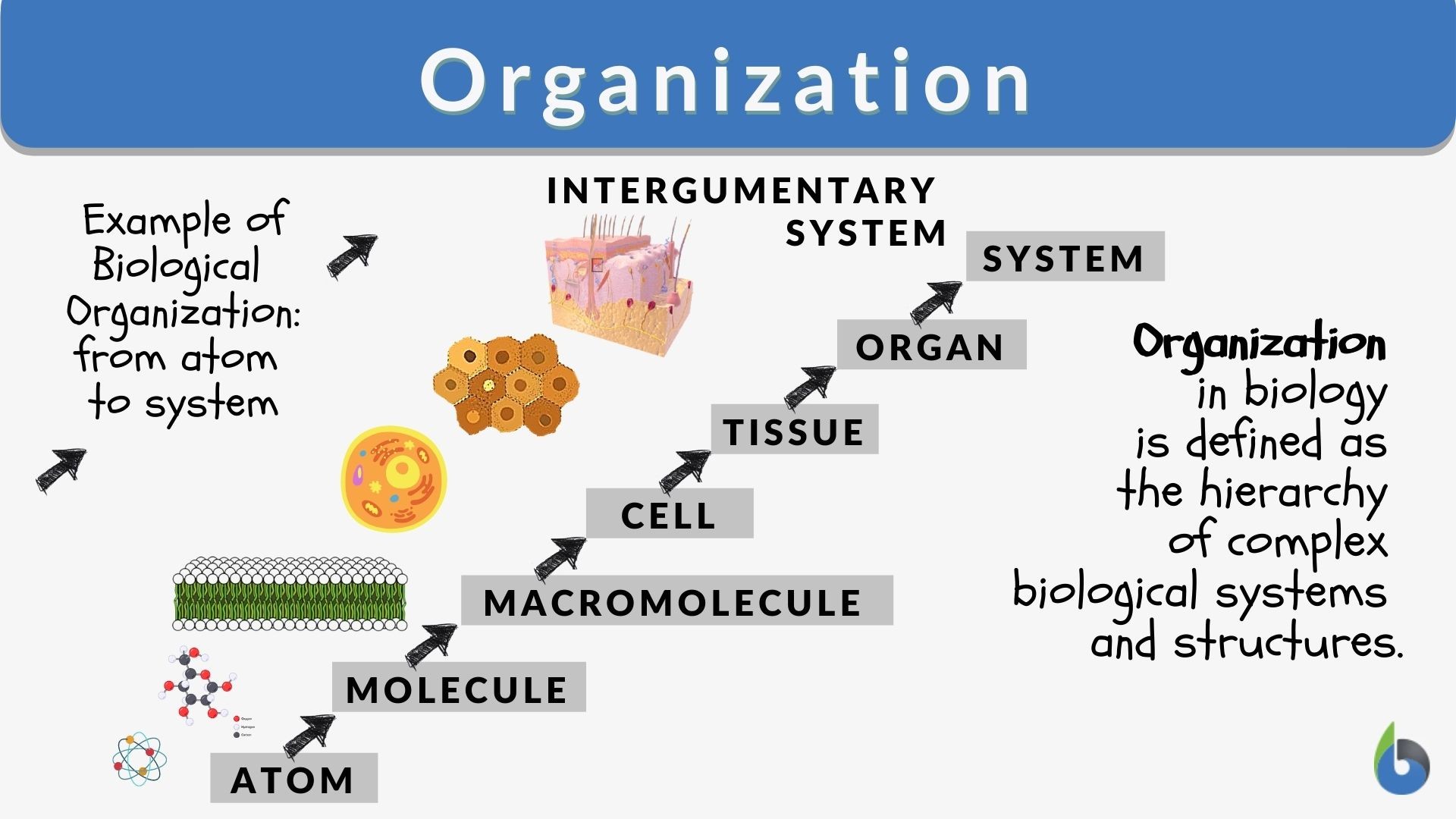
Alright, gather 'round, folks! Let's talk about something that sounds super sciency but is actually just...organized. We're diving into the levels of organization in the biological world, from the itsy-bitsy to the "whoa, that's a whole ecosystem" level. Think of it like building a Lego castle, only instead of bricks, we're using, well, living stuff. And instead of following instructions, Mother Nature just kinda wings it. Chaos! But beautiful chaos, I tell ya!
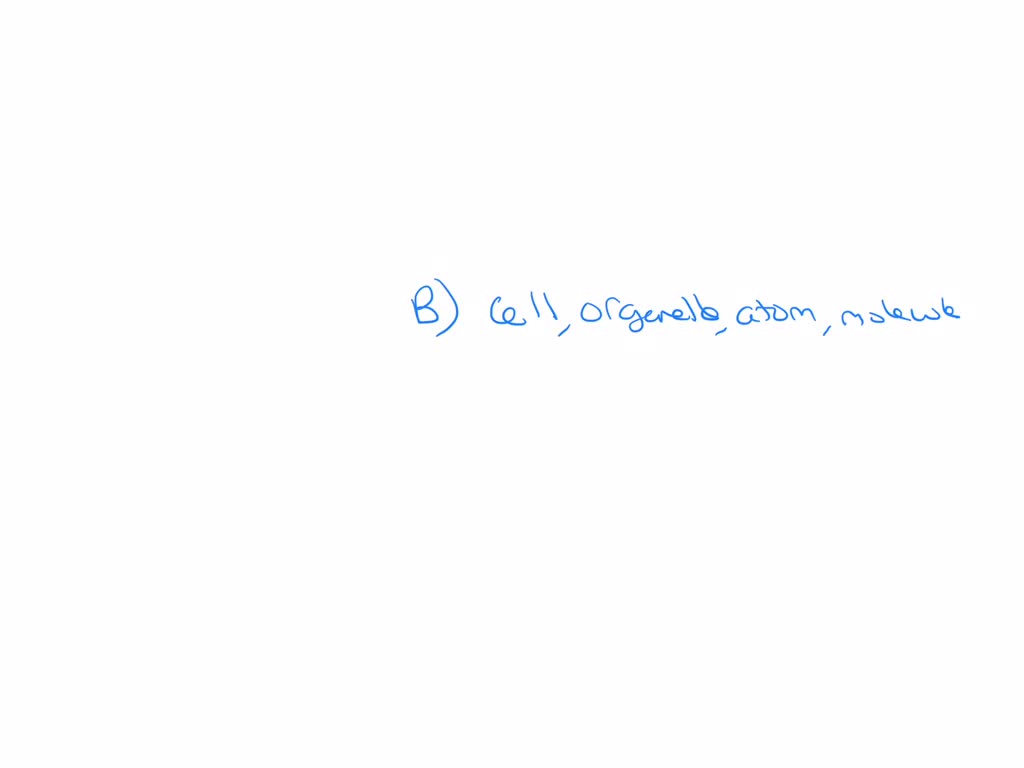
First up, we have the atom. The building blocks of everything. Even your embarrassing childhood photos are made of atoms. These tiny little dudes are so small, you couldn't even see them with, like, the world's most powerful microscope. They're like the shy, introverted members of our organizational party. "Leave me alone, I'm just an electron orbiting a nucleus!"
Next, we have molecules. Now things are getting interesting! Atoms, being the social butterflies they secretly are, start bonding and forming these things. Water? A molecule! DNA? A ginormous, incredibly important molecule! Think of molecules as the individual Legos themselves. Without them, you ain't building nothin'. Fun fact: There are molecules in chocolate that literally make you happy. Coincidence? I think not!
Must Read
Then, we stumble upon organelles. These are the tiny organs within a cell, each with a specific job. Mitochondria, the powerhouses; ribosomes, the protein factories; endoplasmic reticulum, the...well, imagine a really complicated internal transport system. Basically, organelles are like the specialized departments in your Lego castle, like the dungeon (for storing leftover pizza) or the throne room (for epic battles with the cat).
Cells: The Basic Units of Life
Now we're talking! The cell is the fundamental unit of life. It's like the individual Lego minifigure, fully functional and capable of independent thought (okay, maybe not thought, but definitely responding to stimuli). You've got nerve cells, muscle cells, skin cells... a whole cellular army! And you're made of trillions of 'em! Seriously, trillions! Isn't that mind-blowing? Your brain alone contains billions of cells, which is probably why you sometimes forget where you put your keys. All those cells need to coordinate somehow!
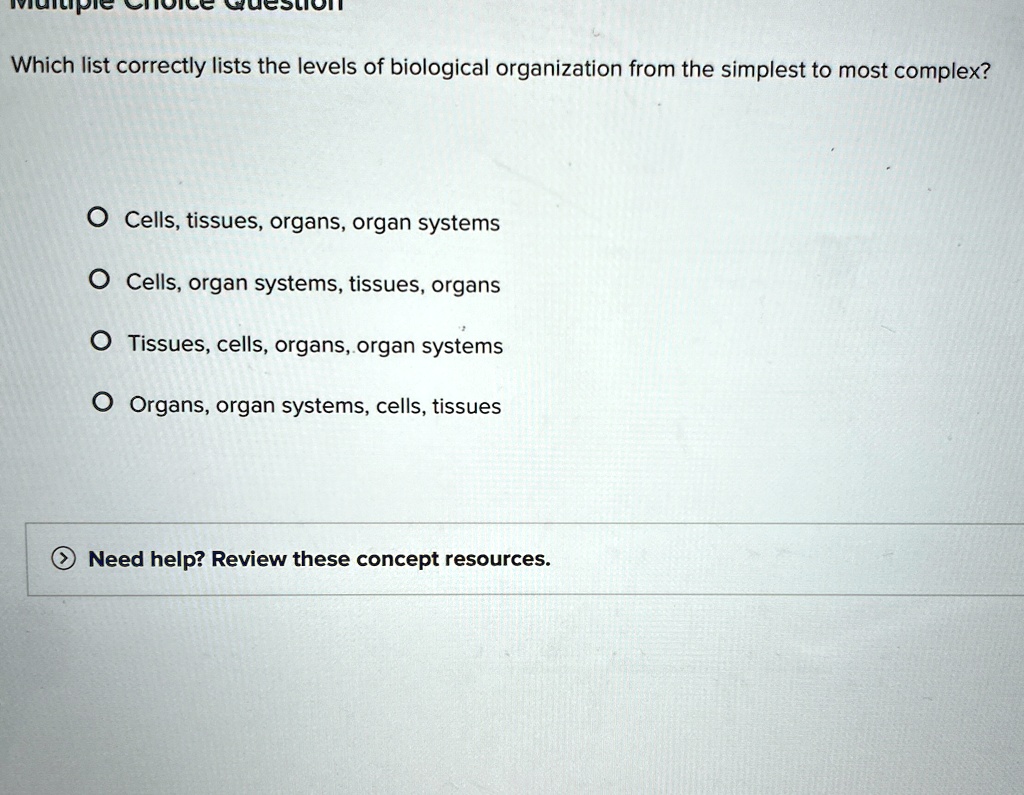
Tissues are next. These are groups of similar cells performing a specific function. Muscle tissue helps you flex, nervous tissue helps you think (or at least attempt to), and epithelial tissue covers surfaces, like your skin. Think of tissues as the individual rooms in your Lego castle, like the kitchen (made of "food processing cells") or the armory (made of "defensive cells").
Then comes the organ. A collection of different tissues working together to perform a complex function. Your heart? An organ. Your brain? An organ. Your stomach? Definitely an organ (and a frequently used one, if you're anything like me). Organs are the crucial sections of your Lego castle. The Great Hall. The Observatory. The REALLY impressive dragon-guarded gate.
Organ Systems and Beyond
Now we're getting into the big leagues! Organ systems are groups of organs that work together to perform major bodily functions. The digestive system, the circulatory system, the nervous system...they're all working together in perfect (or at least semi-perfect) harmony. It's like the entire floor of your Lego castle, all the rooms and hallways connected, allowing your minifigures to move around and do their jobs.
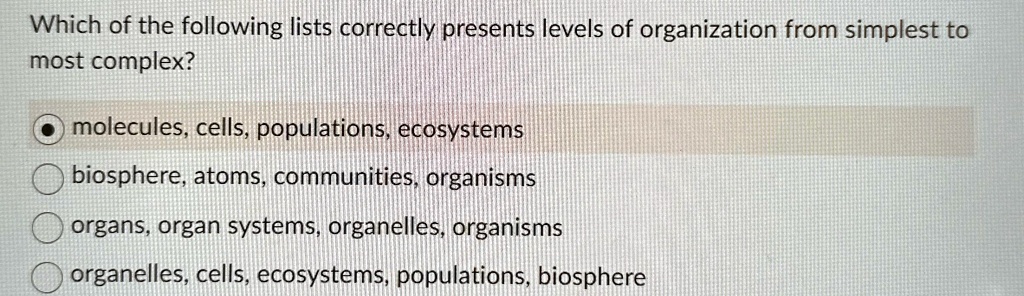
And then... the organism! That's you! That's me! That's your pet hamster! A complete, individual living thing. Made up of all those organ systems working together. You are, in essence, a walking, talking, pizza-loving, incredibly complex Lego castle. And you're probably cooler than any actual Lego castle. Though, I admit, some of those Lego castles are pretty impressive.
But wait, there's more! (Imagine I'm doing a late-night infomercial voice here). Organisms don't live in isolation! They hang out together in populations – groups of the same species living in the same area. Like a colony of ants, a flock of birds, or a group of humans binge-watching Netflix. Populations are the clans or families within the Lego world.
These populations interact to form communities – different species living together in the same area. Like the ants, birds, and humans all sharing the same park (and probably getting into conflicts over picnic blankets). Communities are the various factions and groups that share the Lego land.
Then, we have the ecosystem! This includes all the living things in an area (the community) plus the non-living things, like the water, the air, and the soil. Ecosystems are like entire interconnected Lego kingdoms, complete with different biomes (forest, desert, ice land) and terrain.
And finally, the biggest of the big: the biosphere! This is all the ecosystems on Earth working together. It's the entire planet, from the deepest ocean trenches to the highest mountain peaks. It's the entire Lego WORLD! A vast, interconnected, incredibly diverse and utterly mind-boggling system. So, the next time you're feeling small, remember you're part of this amazing, complex, and slightly chaotic system. And go eat some chocolate. It's science!