Learning Japanese Hiragana And Katakana Workbook And Practice Sheets

Want to unlock a whole new world of possibilities? Imagine strolling through a Japanese supermarket and actually reading the product labels, or finally understanding the lyrics to your favorite anime opening. Learning Japanese, specifically mastering the Hiragana and Katakana scripts, is the first step on that exciting journey! It might seem daunting, but with the right tools, it can be surprisingly fun and rewarding.
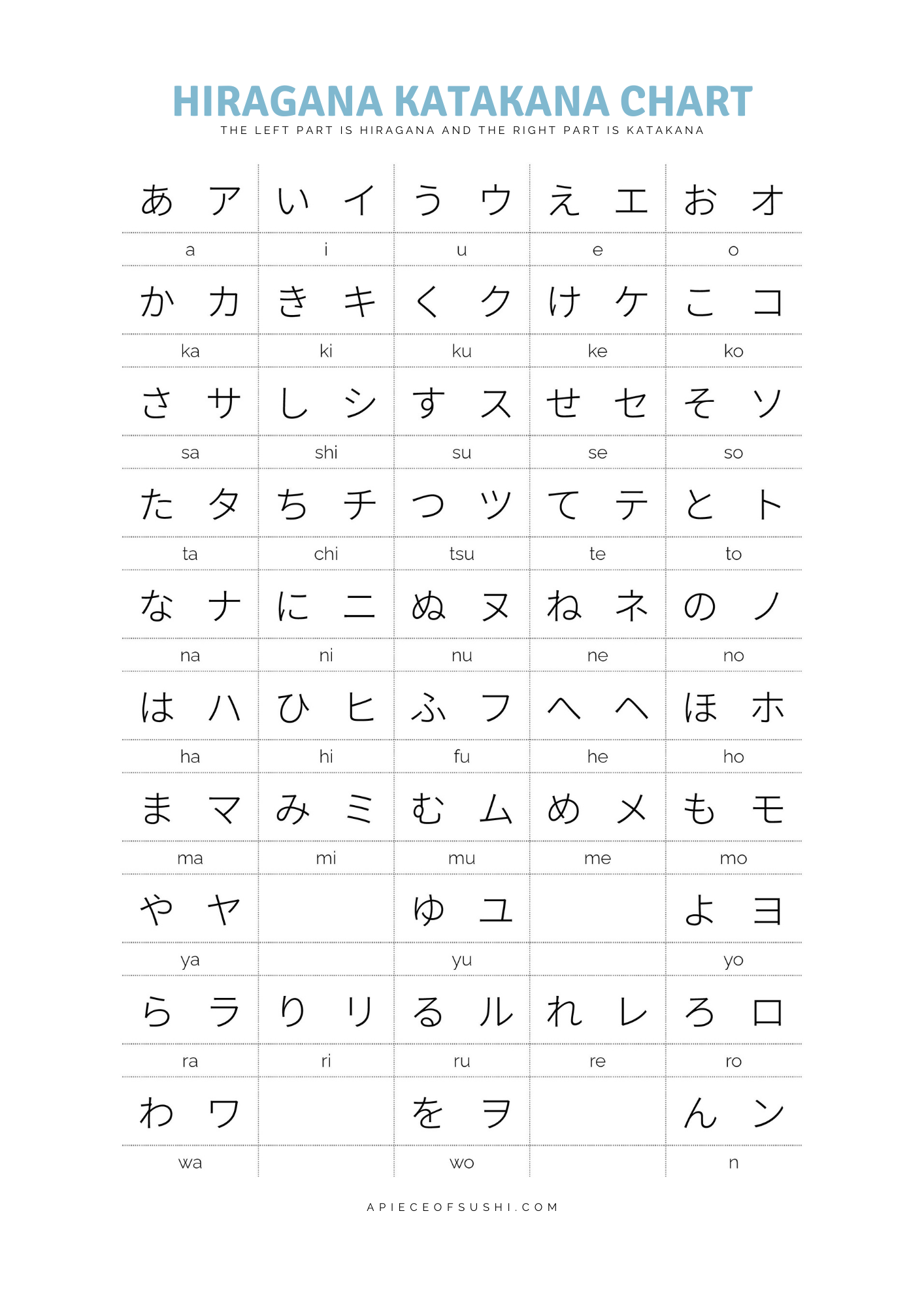
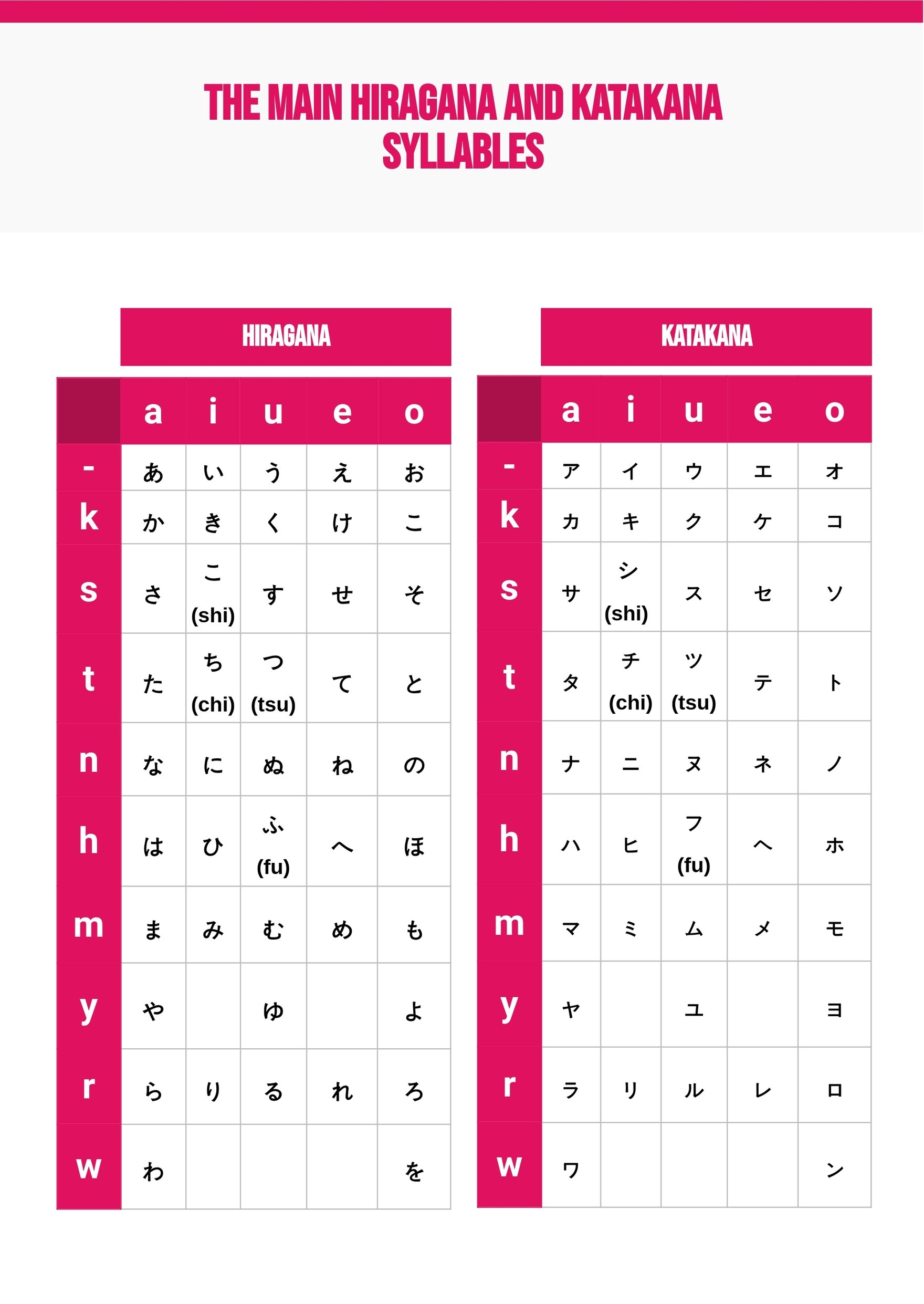
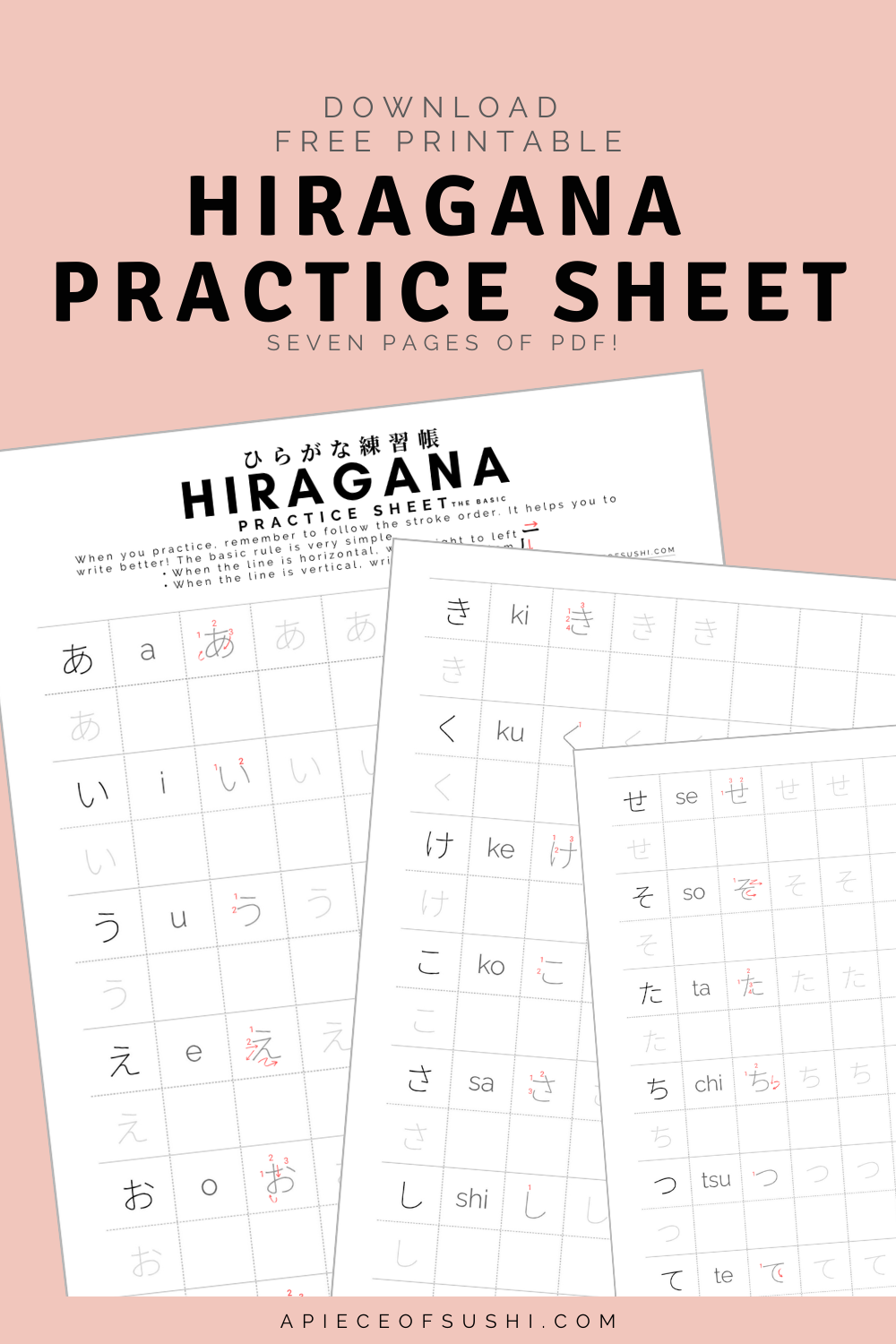
That's where a good "Learning Japanese Hiragana and Katakana Workbook and Practice Sheets" comes in. Think of it as your personal guide to cracking the code of the Japanese writing system. These workbooks are designed with a clear purpose: to help you systematically learn and internalize the 46 Hiragana and 46 Katakana characters. They do this through a combination of visual aids, stroke order diagrams, mnemonics (memory aids), and plenty of practice exercises.
The benefits are numerous. Firstly, mastering Hiragana and Katakana allows you to read a significant portion of Japanese text. Many beginner-level materials use these scripts exclusively, building your confidence from the get-go. Secondly, it provides a solid foundation for tackling Kanji (Chinese characters adopted into Japanese), which can feel much less intimidating once you're comfortable with the phonetic scripts. Finally, and perhaps most importantly, it enhances your overall language learning experience, making it more engaging and accessible.
Must Read
In educational settings, these workbooks are often used as supplementary materials in introductory Japanese classes. Teachers use them to reinforce classroom instruction and provide students with ample opportunities for independent practice. At home, learners of all ages can benefit from the self-paced approach offered by these workbooks. Parents can use them to introduce their children to the Japanese language, creating a fun and educational family activity.
But the uses extend beyond formal learning! Imagine trying to decipher the menu at your local ramen shop. Knowing Hiragana and Katakana will allow you to identify ingredients and flavors, making your dining experience much richer. Or, if you're a fan of Japanese video games, you'll be able to understand character names and basic instructions without relying solely on translations.

So, how can you start exploring? A simple way is to begin with one character a day. Focus on its shape, stroke order, and pronunciation. Practice writing it repeatedly, paying attention to accuracy and consistency. Use online resources like YouTube videos to hear native speakers pronounce the characters. You can also create your own flashcards with the character on one side and a memorable image or word association on the other.
Another fun tip: try writing your name or the names of your friends in Hiragana or Katakana. It's a simple but effective way to personalize your learning and make it more engaging. Don't be afraid to make mistakes – they are a natural part of the learning process. The key is to be patient, persistent, and most importantly, to have fun! With a good workbook and a little dedication, you'll be reading and writing Japanese in no time.