Largest Refinery In The United States

Alright, let’s chat about something we all use but rarely think about: gasoline. You pull up to the pump, swipe your card, and fill 'er up. Easy peasy, right? But have you ever paused for a second and wondered, "Where does all this goop actually come from?" Because let me tell you, it doesn't just magically appear from a hose connected to a giant underground well in your backyard (though that would be pretty convenient, wouldn't it?).
No, my friends, that magical liquid, and so many other things that power our lives, come from some truly colossal places. And today, we're diving headfirst (metaphorically, of course – safety first!) into the world of the largest refinery in the United States. Prepare to have your socks knocked clean off, because this place is less a factory and more a small, bustling, very pipe-filled city.
Behold! The Industrial Behemoth!
Imagine, if you will, trying to bake a single cupcake. Now imagine trying to bake enough cupcakes to feed an entire football stadium. At every single game, for a year. That’s kind of the scale we’re talking about here. The largest refinery in the U.S. isn't just big; it's so big, you could probably fit your entire town inside its perimeter and still have room left over for a couple of Walmarts and a small theme park. It covers thousands of acres, which, for context, is roughly the size of a really enthusiastic squirrel's nut-stashing territory multiplied by a million.
Must Read
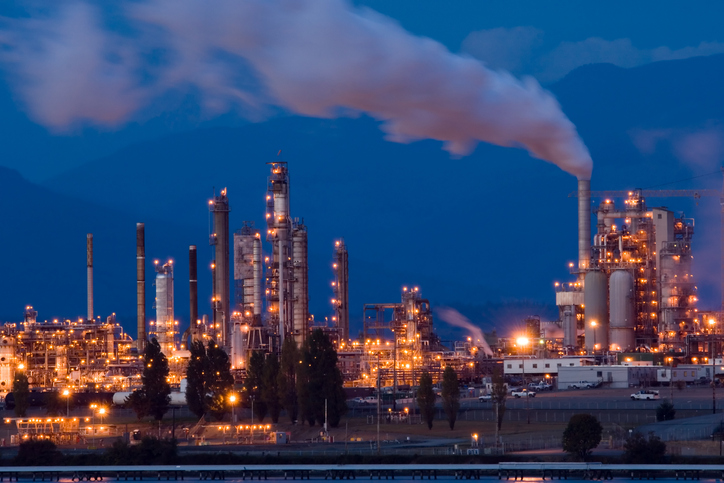
Picture this: a sprawling landscape of towering distillation columns that look like giant metallic mushrooms, miles and miles of pipes crisscrossing like spaghetti on a very, very large plate, and storage tanks so massive they could probably hold enough coffee to fuel every Monday morning in America. For a decade. It's an industrial ballet, but instead of graceful dancers, you've got steam, flames, and the constant hum of sheer, unadulterated power.
The Mystery Smoothie of Crude Oil
So, what exactly happens in this metallic metropolis? Well, it all starts with crude oil. Think of crude oil as nature's own mystery smoothie. It's thick, it's dark, and if you tried to drink it, you'd have a really bad time. But within that murky mix are all sorts of wonderful ingredients: gasoline, jet fuel, diesel, asphalt for our roads, and even the stuff that makes plastics for your trusty smartphone case or that ridiculously oversized backyard inflatable flamingo. It’s like a giant, very complicated kitchen, but for hydrocarbons.

The refinery's job is to take that mystery smoothie and skillfully separate it into all its useful components. It uses heat, pressure, and a whole lot of fancy chemistry to essentially boil the crude oil and then cool the different vapors at various temperatures. It’s a bit like playing a massive game of "hot potato," but with different types of fuel, and the potatoes turn into your car’s gas or airplane fuel.
Connecting the Dots to Your Daily Grind
Why should you care about this gargantuan industrial marvel? Because without it, your morning commute would be a very long walk, your dream vacation would involve a really fast bicycle, and your Amazon package might take weeks to arrive (carried by a very tired person, presumably). This single refinery, along with its equally impressive siblings, is the unsung hero behind so much of what we consider normal life.

Every time you hop in your car, fire up your lawnmower, or see a plane soaring overhead, a tiny piece of that massive refinery’s output is at work. It’s in the asphalt cushioning your drive, the fuel powering the truck that brought your groceries, and even in some of the materials that built your house. It’s a constant, round-the-clock operation, humming along so you can simply live your life without a second thought.
So, the next time you're filling up your tank, take a moment to appreciate the sheer scale and complexity that brought that liquid gold to you. It didn't just appear. It traveled, it was refined, it was separated, and it arrived thanks to a place so mind-bogglingly huge, it makes your biggest box store look like a tiny lemonade stand. It's a testament to human ingenuity and our endless need to keep things moving. And probably to our collective love for road trips and not having to pedal everywhere!