Land Lease Rates For Cell Towers
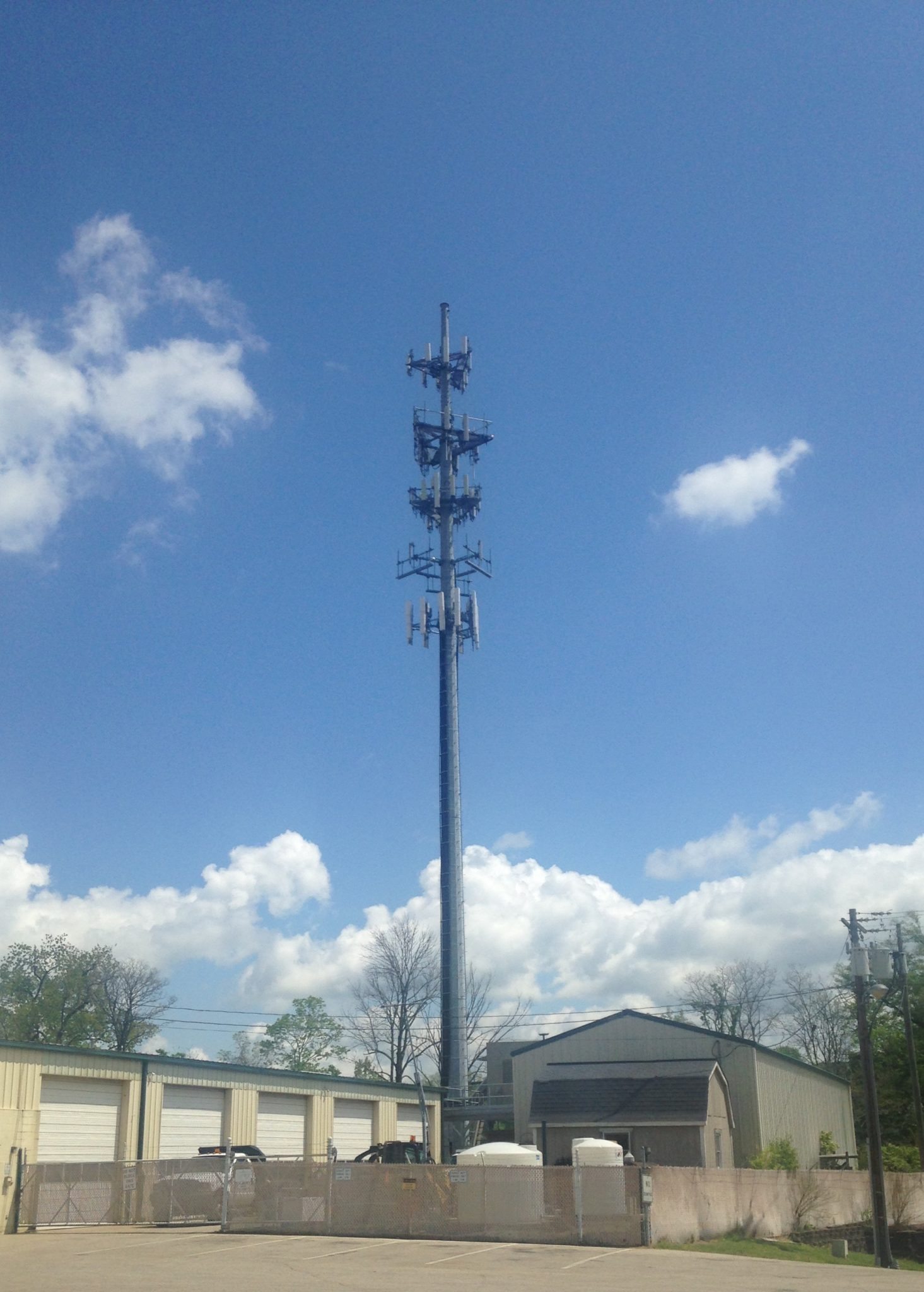
Ever drive past a cell tower and wonder what it's like to own the land underneath? Or maybe you've heard rumors of people making serious money leasing their property for these vital pieces of communication infrastructure? Let's dive into the surprisingly fascinating world of cell tower land leases! It's not just about steel structures and radio waves; it's about understanding a potential income stream and navigating the telecommunications landscape.
So, why is this interesting? Well, for beginners, it's a peek behind the curtain of how our cell service actually works. Understanding the physical infrastructure is crucial in our increasingly connected world. For families, it could represent a potential opportunity to generate passive income, helping with college funds or retirement savings. And for hobbyists like amateur radio enthusiasts, knowing how these towers operate and the regulations surrounding them can enhance their understanding of radio frequency (RF) technology.
What are cell tower land leases, exactly? In essence, a telecommunications company, like Verizon, AT&T, or T-Mobile, leases a portion of your land to build and operate a cell tower. They pay you rent, typically on a monthly basis, for the right to use your property. The purpose is simple: to improve cellular coverage in an area. The benefits are clear – you receive a regular income stream with minimal effort once the lease is in place. The telecommunications company benefits from having a strategically located site to expand their network.
Must Read
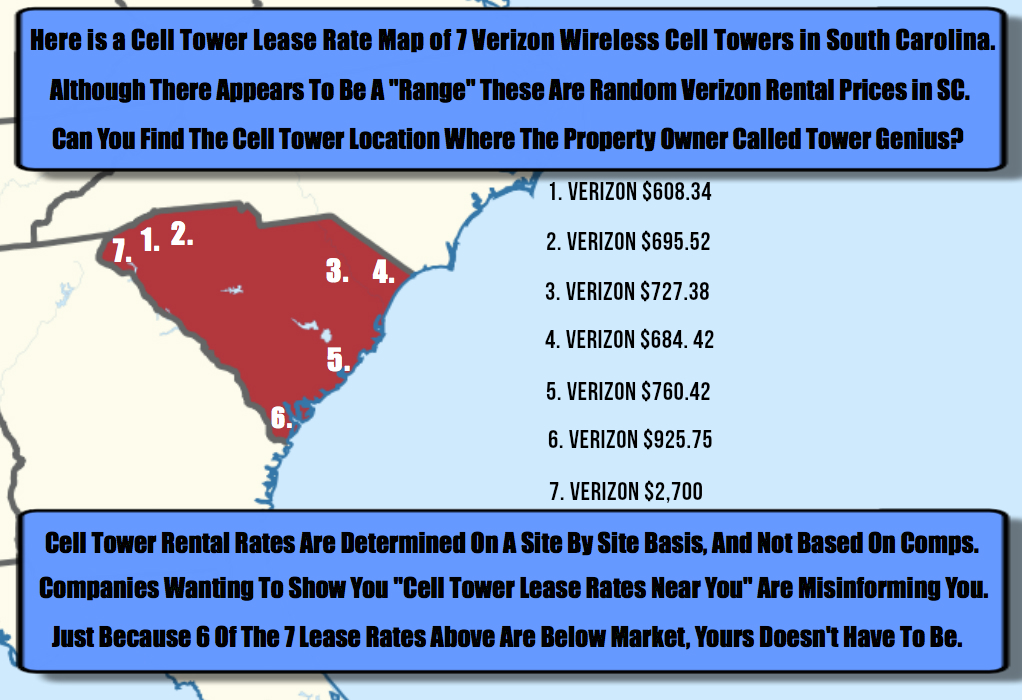
Land lease rates vary significantly depending on several factors. Location is paramount. A tower in a densely populated urban area will command a higher rate than one in a sparsely populated rural area. The size and accessibility of the land also play a role. A larger, easily accessible site is more desirable. Proximity to other towers is important – if your property fills a critical gap in coverage, it's more valuable. And finally, the terms of the lease agreement itself – including rent escalation clauses and renewal options – will affect the overall value. Some leases include annual rent increases, while others offer a lump sum payment upfront.
Let's look at some examples. A farmer in Iowa might lease a small portion of their land for a few hundred dollars per month, whereas a homeowner in a suburban area of Los Angeles could potentially earn several thousand dollars per month for a similar sized plot. Another variation involves rooftop leases, where companies lease space on building rooftops for smaller cell installations, often called small cells. These rooftop leases are becoming increasingly common in urban areas.

Simple, practical tips for getting started? First, research whether there's a need for improved cell coverage in your area. Second, if you're contacted by a telecommunications company, don't rush into signing anything. Third, consult with a qualified attorney specializing in real estate and telecommunications law to review the lease agreement. Fourth, consider engaging a cell tower lease consultant who can help you negotiate the best possible terms. They have expertise in the industry and can advocate on your behalf.
Exploring the world of cell tower land leases can be a surprisingly rewarding endeavor. Whether it sparks your interest in the telecom industry, opens a potential avenue for passive income, or simply enhances your appreciation for the infrastructure that powers our digital lives, understanding the basics of cell tower leases is a worthwhile investment of your time.