La Orina Del Conejo Hace Daã±o

Let's be honest, nobody initially enjoys talking about rabbit pee. It's not exactly a glamorous topic. However, if you're a rabbit owner, understanding the ins and outs of your furry friend's urine is essential for their health and well-being. While we might prefer discussing fluffy tails and adorable nose twitches, rabbit urine provides valuable clues about their hydration, diet, and potential health problems. So, buckle up, because we're diving deep into the (slightly smelly) world of rabbit pee!
The purpose of monitoring your rabbit's urine isn't just about avoiding unpleasant smells. It's about proactive health management. Think of it like this: your rabbit can't tell you when they're not feeling well. By observing their urine, you can identify potential issues early on, giving you a chance to intervene before they become serious. For example, changes in color, consistency, or frequency can indicate dehydration, bladder sludge, or even urinary tract infections. These are all things that, left untreated, could significantly impact your rabbit's quality of life.
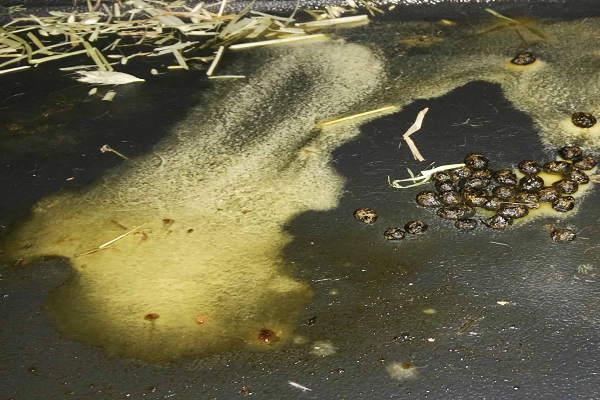
So, what are some common examples we should be looking for? Healthy rabbit urine should ideally be a clear yellow or orange color. However, it can vary depending on their diet. Sometimes, you might notice red or brown-tinged urine. Don't panic immediately! This could be caused by pigments in certain vegetables like carrots or beets. This is called 'urine scald'. However, it's always best to consult with your vet to rule out any underlying health concerns. Other common issues include excessively thick urine, which can be a sign of calcium build-up (bladder sludge), or a strong ammonia odor, which could indicate a urinary tract infection. Observe the amount of urine produced as well. A sudden decrease could point to dehydration or kidney issues.
Must Read
Now, how can you become a more effective rabbit pee detective? Here are a few practical tips: First, choose the right litter. Opt for paper-based litters or those specifically designed for rabbits, as they are absorbent and allow you to easily observe the urine. Avoid clay-based litters, which can be dusty and harmful if ingested. Second, establish a routine. Clean your rabbit's litter box regularly, noting the color, consistency, and amount of urine each time. This will help you establish a baseline for what is "normal" for your rabbit. Third, pay attention to their overall behavior. Are they eating and drinking normally? Are they lethargic or showing signs of discomfort when urinating? These clues, combined with your observations of their urine, can paint a more complete picture of their health.
Finally, and most importantly, don't hesitate to seek professional advice. If you notice any significant changes in your rabbit's urine, or if you have any concerns about their health, contact your veterinarian immediately. They can perform diagnostic tests, such as a urinalysis, to determine the underlying cause and recommend the appropriate treatment. While rabbit pee might not be the most pleasant topic, understanding it is a crucial part of responsible rabbit ownership, ensuring your furry friend lives a happy and healthy life. Remember, a little observation goes a long way!