
Javascript Ad Block Putlocker
Let's talk about a digital trifecta that probably crosses your mind more often than you'd admit: JavaScript, Ad Blockers, and Putlocker. Individually, they're technological tools. Together, they represent a fascinating slice of modern online culture, complete with convenience, ethical gray areas, and a whole lot of memes.
JavaScript: The Web's Unsung Hero (and Sometimes Villain)
First, JavaScript. It's the programming language that makes websites dynamic. Think of it as the stage crew of the internet. It's behind the scenes, moving the scenery (animations, interactive elements) and making sure the actors (content) hit their marks. Without it, the web would be a static, boring place, like reading a textbook that only has black and white images.
JavaScript is what makes those cool dropdown menus work, the image carousels spin, and even helps personalize your online shopping recommendations. It's basically everywhere. However, it's also the engine driving many of those annoying ads that chase you around the internet after you dared to look at a new pair of shoes.
Must Read
Ad Blockers: Your Digital Bouncer
Enter the ad blocker. These nifty little browser extensions are like your personal bodyguard against the onslaught of pop-ups, banner ads, and autoplaying videos. They filter out unwanted content, cleaning up your browsing experience. Think of them as the Marie Kondo of the internet – decluttering your screen and sparking joy by removing the digital clutter.
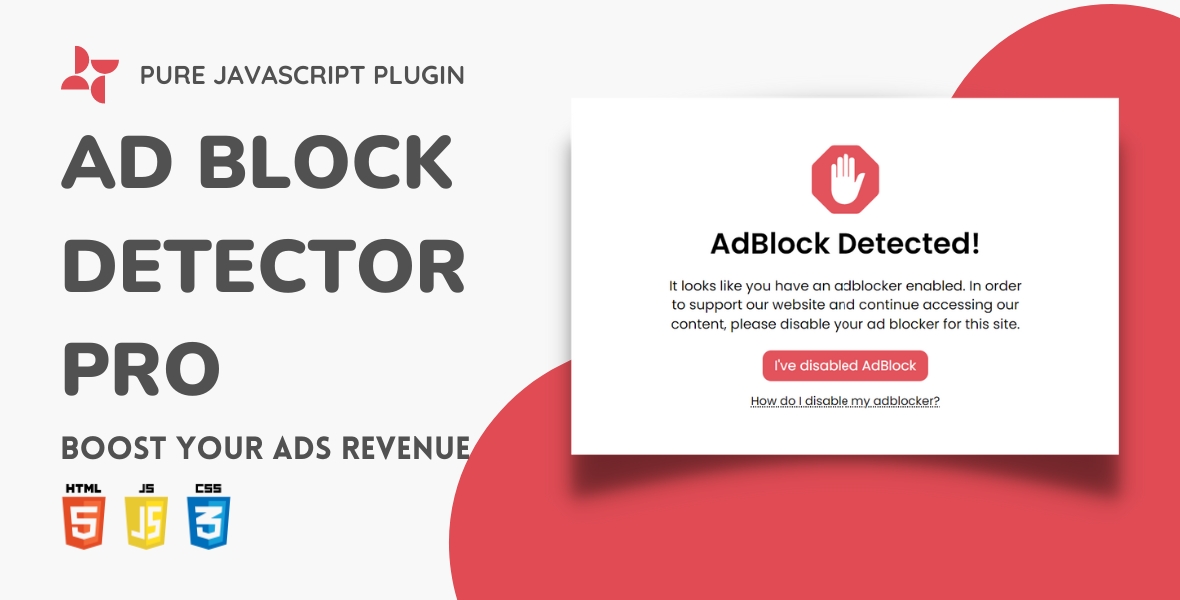
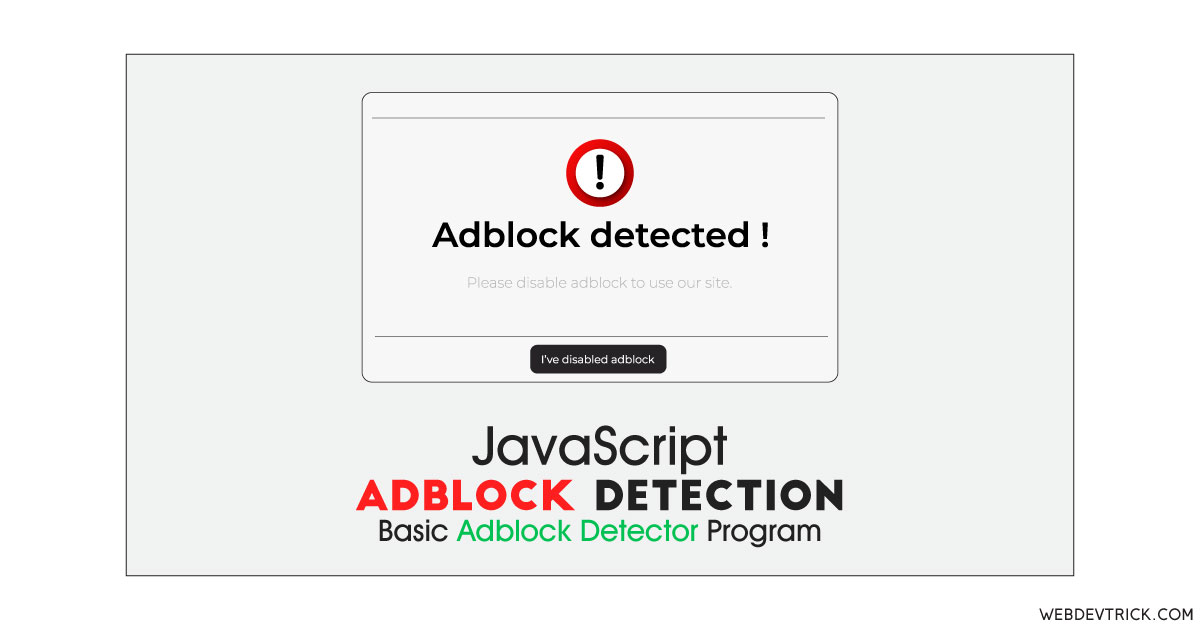
Ad blockers work by blocking JavaScript from specific ad servers. They identify code that's likely to serve advertisements and prevent it from loading. It’s a simple concept with profound implications. Websites that rely on ad revenue suddenly see a dip in their earnings. It's a constant cat-and-mouse game between ad blockers and websites trying to circumvent them.

Think of it like this: remember the old "Tom and Jerry" cartoons? Websites are Tom, constantly devising new ways to catch Jerry (your attention), while ad blockers are Jerry, always one step ahead, dodging the traps.
Putlocker: The Wild West of Streaming
Now, for the elephant in the room: Putlocker. Putlocker is a website, or rather, a series of websites (as one iteration shuts down, another pops up like a digital hydra), known for hosting movies and TV shows, often without the proper licensing. It exists in a legal gray area, constantly battling copyright infringement claims and domain seizures.
Using sites like Putlocker can be tempting. Why pay for multiple streaming services when you can find almost anything for free? However, there are risks involved. Besides the legal implications, these sites are often riddled with malicious ads and pop-ups, making ad blockers almost essential for a safe browsing experience. Remember that sketchy link your friend sent? That’s Putlocker’s cousin.
It's a classic example of supply and demand. People want access to content, and if they can't easily or affordably get it through legitimate channels, they'll often seek it out elsewhere. It raises a lot of questions about accessibility, affordability, and the future of content distribution.
![How to detect ad block in JavaScript? [SOLVED] | GoLinuxCloud](https://www.golinuxcloud.com/wp-content/uploads/Untitled-5.jpg)
The JavaScript Ad Block Putlocker Ecosystem
So, how do these three elements connect? It’s a symbiotic (albeit slightly dysfunctional) relationship. JavaScript powers the ads on websites like Putlocker. Ad blockers try to stop those ads. Users, in turn, rely on ad blockers to make Putlocker (and other similar sites) usable. It's a cyclical battle.
This highlights a bigger point: our digital lives are increasingly mediated by these technologies. We're constantly making choices about convenience, privacy, and ethics. Every time you install an ad blocker or navigate to a streaming site, you're participating in this complex ecosystem.
![How to detect ad block in JavaScript? [SOLVED] | GoLinuxCloud](https://www.golinuxcloud.com/wp-content/uploads/javascript-detect-ad-block.jpg)
Ultimately, it's about being a conscious digital citizen. Understanding how these tools work empowers you to make informed choices, protect your privacy, and navigate the digital landscape responsibly.
A Moment of Reflection
Think about your own online habits. How often do you encounter JavaScript-powered ads? Do you use an ad blocker? Have you ever been tempted to stream content from a less-than-reputable source? These aren't just abstract technological issues; they're reflections of our values and priorities in the digital age.
So, next time you're browsing the web, take a moment to appreciate the invisible forces at play – the JavaScript powering the animations, the ad blocker protecting your screen, and the choices you make about where you get your content. It's all part of the ever-evolving story of the internet.