
Is Vinegar A Compound Or Mixture

Okay, let's talk about vinegar. That tangy, sour liquid in your pantry. Is it a compound? Or is it a mixture? This is one of those questions that can send you spiraling down a rabbit hole of chemistry textbooks. But fear not! We're going to keep it simple. And maybe stir up a little controversy along the way.
Now, I know what the textbooks say. They say vinegar is primarily a solution of acetic acid in water. Technically, that makes it a mixture, right? Acetic acid (a compound in itself, mind you) just hanging out with H2O. No new chemical bonds formed. Just… mingling.
But here's my (possibly) unpopular opinion: I think vinegar is more interesting than just a simple mixture. Hear me out!
Must Read
The Flavor Factor: More Than Just Acetic Acid
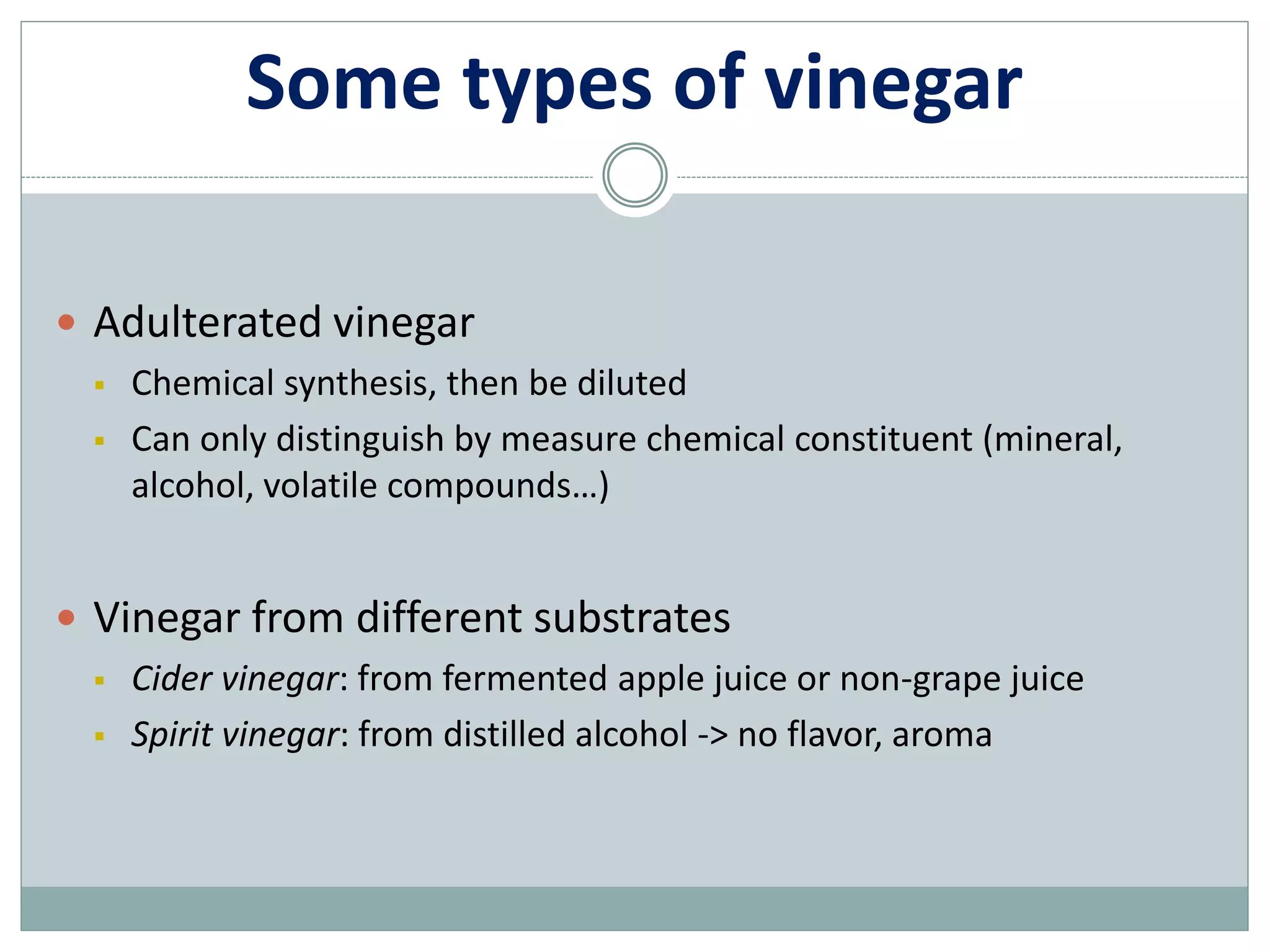
Think about it. Have you ever tasted different kinds of vinegar? White vinegar, apple cider vinegar, balsamic vinegar, rice vinegar... They all taste different! Why is that? It's because they contain more than just acetic acid and water. They have other compounds in them, adding complexity and depth of flavor.
Apple cider vinegar, for example, has traces of malic acid (that gives apples their tartness), lactic acid, and even some sugars left over from the fermentation process. Balsamic vinegar? Forget about it! That stuff is practically a symphony of flavors, carefully aged and blended.
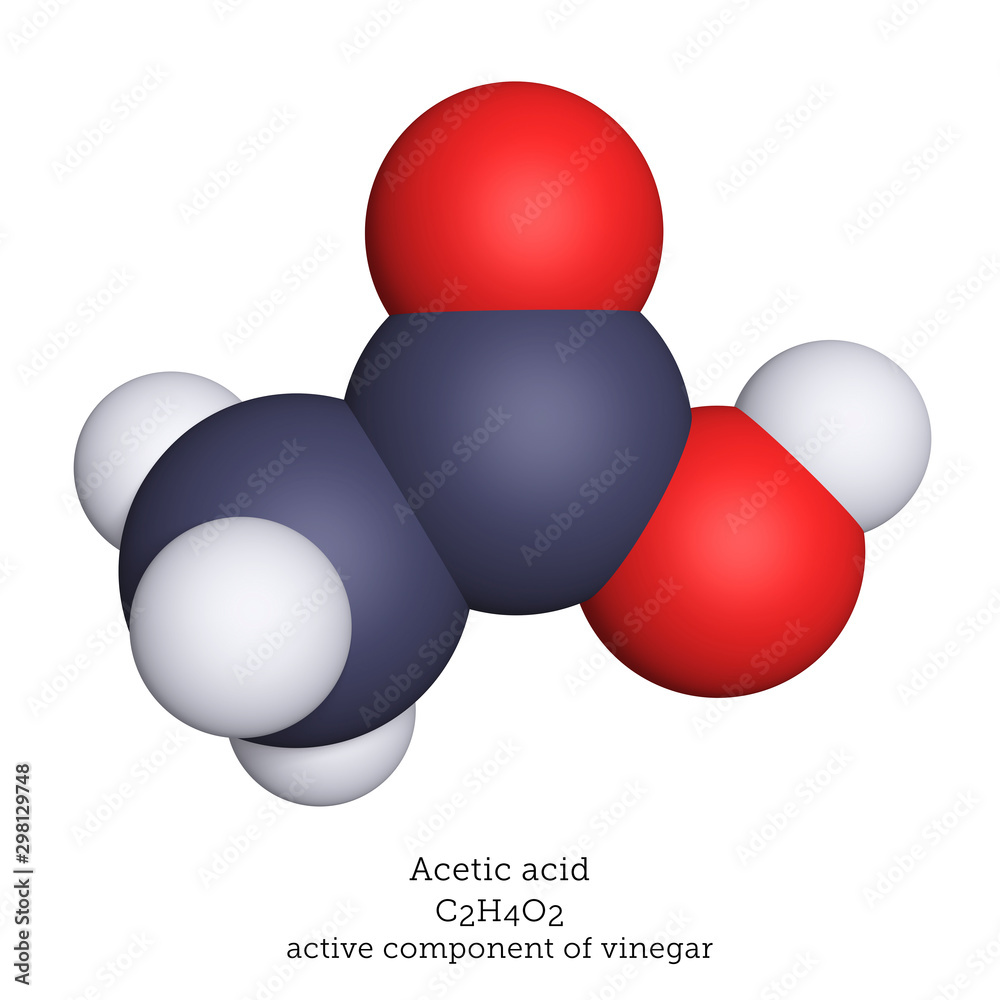
These extra compounds aren't just passively floating around. They're interacting! They're contributing to the overall character of the vinegar. To me, that feels more like a chemical dance than just a casual get-together.
It's like saying coffee is just a mixture of water and caffeine. Sure, that's technically true. But it ignores all the other compounds that give coffee its distinctive aroma and taste. It ignores the whole experience!
The Mystery of "Mother"
And what about the "mother" in some unpasteurized vinegars? That cloudy, blob-like substance that settles at the bottom of the bottle? That's a colony of bacteria that continues to ferment and produce acetic acid. That's an entire ecosystem thriving inside the vinegar! Does that sound like a simple mixture to you?
I know, I know. It's still technically acetic acid in water. But the presence of that living, breathing, fermenting "mother" adds a whole new dimension. It's like saying a pond is just a mixture of water and dirt. Technically correct, but wildly understating the complex web of life that exists within it.
I once tried explaining this to my friend, a self-proclaimed chemistry whiz. He looked at me like I had sprouted a second head. "It's still a mixture, you silly goose!" he said. But I stand by my opinion. Maybe it's not scientifically accurate. Maybe I'm just being stubborn. But I think there's more to vinegar than meets the scientific eye.

My Unpopular Conclusion
So, here's my controversial take: Maybe, just maybe, we should think of vinegar as something more than just a simple mixture. Maybe it's a complex, dynamic system. A flavor explosion waiting to happen. A testament to the power of fermentation. A delicious reminder that sometimes, the best things in life are a little bit complicated.
Of course, your high school chemistry teacher would probably disagree with me. But that's okay. I'm not afraid of a little academic rebellion. Besides, next time you drizzle balsamic vinegar on your salad, take a moment to appreciate the complex dance of flavors. Tell me that's just a simple mixture. I dare you!
Now, if you'll excuse me, I'm going to go make a vinaigrette. And I'm going to think of it as a culinary masterpiece, not just a boring old mixture. Cheers!
