
Is There Still A Federal Tax Credit For Solar

Ever stare at your electricity bill and feel like you've just wrestled a grumpy bear? Or maybe it’s more like watching your wallet slowly levitate away, dollar by dollar, into the great unknown? Yeah, we've all been there. It’s that familiar sigh, that tiny spark of "there has to be a better way!" that makes you wonder about things like solar panels.
And then the big question pops up, usually whispered with a mix of hope and skepticism: "Is that federal tax credit for solar still a thing? Or did it vanish like my favorite socks in the laundry dimension?"
Well, buckle up, buttercup, because I’ve got some news that might just make you crack a smile bigger than your last electric bill. Spoiler alert: it's still very much a thing! And it's not just clinging on by a thread; it’s actually looking pretty robust.
Must Read
The Good News: It's Not Only Alive, It Got a Facelift!
Remember that feeling when you thought a good thing was gone forever, only for it to reappear, even better? Like finding a twenty-dollar bill in an old coat pocket, or realizing your favorite TV show got renewed for another season? That’s kind of what happened here. The federal solar tax credit, officially known as the Residential Clean Energy Credit (formerly the ITC, for those in the know), got a serious upgrade thanks to the Inflation Reduction Act (IRA) of 2022.
Think of the IRA as the superhero swooping in, cape flowing, to give renewable energy a much-needed boost. It essentially took the existing credit, gave it a new lease on life, and made it even more appealing for folks like us who are just trying to keep the lights on without selling a kidney.

So, What's the Skinny? How Much Are We Talking?
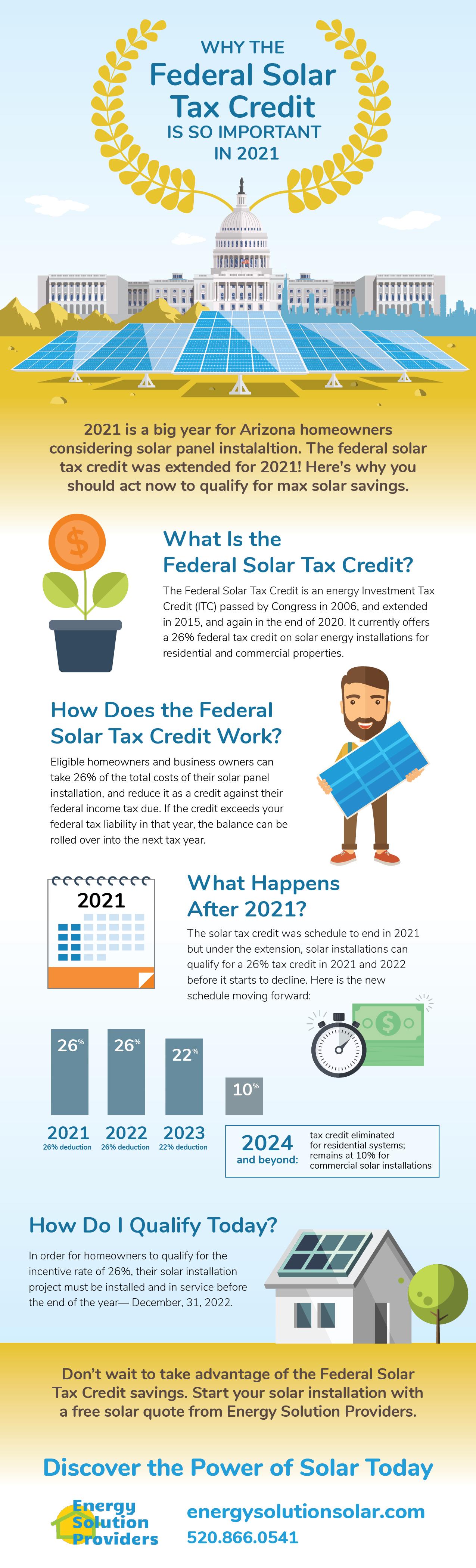
Alright, let’s get to the juicy part. How much moolah are we talking about? Currently, the federal tax credit lets you claim 30% of the cost of your new solar energy system. Yes, you read that right: a full 30%!
Imagine buying something really cool, like a fancy new gadget or a much-needed home improvement, and then getting almost a third of the cost back from the government. It’s like a super-sized cash-back offer, but for something that saves you money on your utility bills for years to come. It covers not just the panels themselves, but also the installation costs, necessary equipment like inverters, and even energy storage devices (hello, batteries!).

Now, this is an important distinction, so lean in: it's a credit, not a deduction. What’s the difference, you ask? Well, a deduction lowers your taxable income. A credit, on the other hand, directly reduces the amount of tax you owe, dollar for dollar. If you owe $5,000 in taxes and you have a $3,000 credit, guess what? You only owe $2,000! If your credit is bigger than your tax liability, it can even roll over to the next year. It's like finding a golden ticket in your chocolate bar!
Is It Sticking Around Like a Loyal Friend, or Just a Fleeting Fling?
Another fantastic piece of news is that this generous 30% credit isn't a "blink and you'll miss it" kind of deal. It's scheduled to stick around at the 30% rate until the end of 2032. That's a solid run, giving homeowners plenty of time to consider making the switch to solar.
After 2032, it does start to taper off a bit, like a really good sale that eventually winds down. It will drop to 26% in 2033 and then 22% in 2034. So, while it's got legs, the sweet spot is definitely now and in the coming years. It's like your favorite band announcing a farewell tour; you know you have some time, but you still want to catch them before the best seats are gone, right?

Why Does This Matter to Regular Joes Like Us?
Beyond the warm fuzzy feeling of "going green," this tax credit is a massive financial incentive. My buddy, Mark, finally pulled the trigger on solar last year. He was always skeptical, always saying, "Nah, it's too expensive." But once he crunched the numbers, saw that 30% credit staring him in the face, and realized how much he'd save on electricity over the next decade, his tune changed faster than a DJ at a wedding. Now, he practically skips to his mailbox to check his utility bill – something I’ve only ever seen happen when a rebate check arrived!
It helps make solar more accessible, turning it from a "someday dream" into a "let's get a quote now" reality. It lowers the upfront cost significantly, which is often the biggest hurdle for most people. Think of it as the universe giving you a high-five for being smart and looking out for your wallet (and the planet!).
What's Your Next Move, Maverick?
So, what’s the takeaway? The federal tax credit for solar isn't just alive; it's thriving at a fantastic 30% and ready to help you save some serious dough. If you’ve been eyeing those shiny panels on your neighbor's roof with a mix of envy and curiosity, now is definitely a prime time to explore your options.
Of course, I'm not a tax advisor, and your situation is unique (just like you!). So, the best next step is to chat with a qualified tax professional or a reputable solar installer in your area. They can give you the nitty-gritty details specific to your home and financial situation. But rest assured, the big, beautiful federal incentive is there, waiting to make your solar dreams a sunny reality.
Go forth, embrace the sunshine, and maybe, just maybe, finally tell that grumpy electric bill bear to take a hike!