Is Grass Growing A Chemical Change

Ever wondered what's really happening when that tiny seed sprouts and transforms into a vibrant blade of grass? We often think of gardening as just watering and mowing, but there's a whole world of fascinating science unfolding right in your backyard! Understanding whether grass growing is a chemical change is more than just a trivia question; it's a peek into the amazing processes of nature and can even help you become a better gardener. Who knew lawn care could be so engaging?
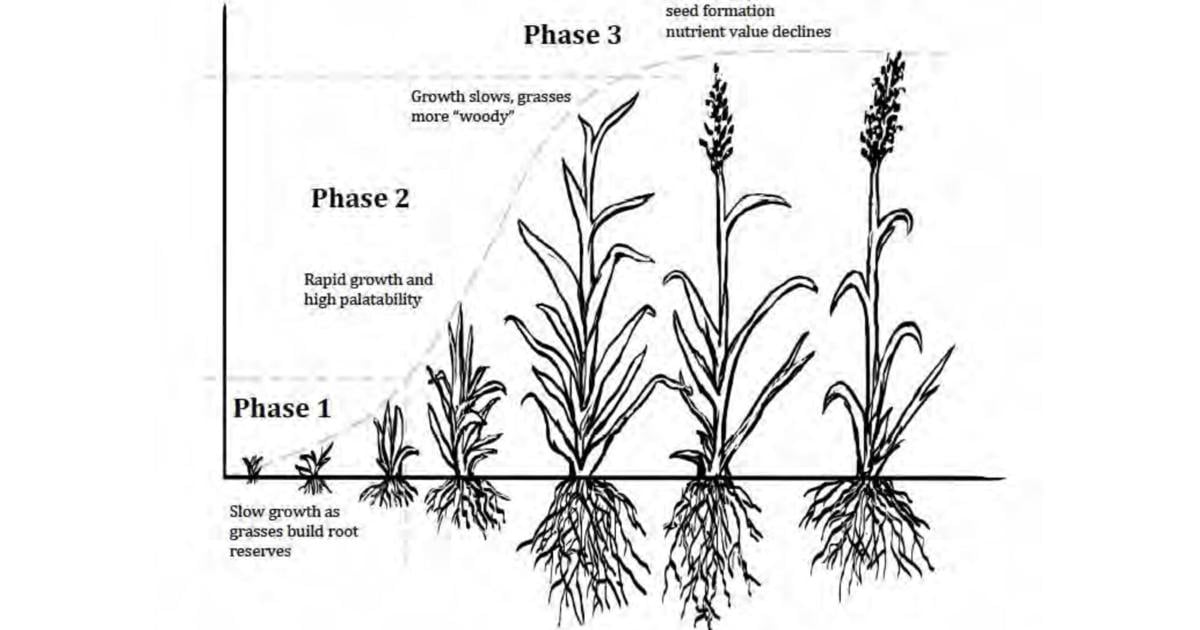
So, is it a chemical change? Absolutely! A chemical change involves the formation of new substances, and that's precisely what happens during grass growth. It's not just getting bigger; it's completely altering its molecular structure. Think of it like baking a cake: you mix flour, eggs, and sugar, and through heat, you get something entirely new – a delicious cake. Grass growth, fueled by sunlight, water, and nutrients, is a similar transformation.
Why should you care? For beginners, knowing this helps appreciate the complexity of nature. For families, it’s a fantastic way to introduce kids to science in a tangible way. You can observe the changes firsthand! For hobbyists and dedicated gardeners, understanding the chemical processes involved can help optimize your lawn care. You’ll know what nutrients are essential and how they impact growth.
Must Read
Let's break it down. The core process is photosynthesis. Grass uses sunlight's energy to convert water and carbon dioxide into glucose (sugar), which is its food. This conversion involves breaking and forming chemical bonds, creating entirely new molecules. Imagine carbon dioxide and water molecules coming together to form a sugar molecule and oxygen. That's a significant chemical reaction!
There are variations too! Different types of grass, like Kentucky Bluegrass or Bermuda grass, have slightly different photosynthetic efficiencies and nutrient requirements. Understanding these differences can help you choose the right grass for your climate and soil. Fertilizers play a key role as well. They provide essential elements like nitrogen, phosphorus, and potassium, which the grass uses to build new cells and grow. Think of it as providing the necessary ingredients for the chemical reaction of growth.

Want to see this in action? Here are some simple tips:
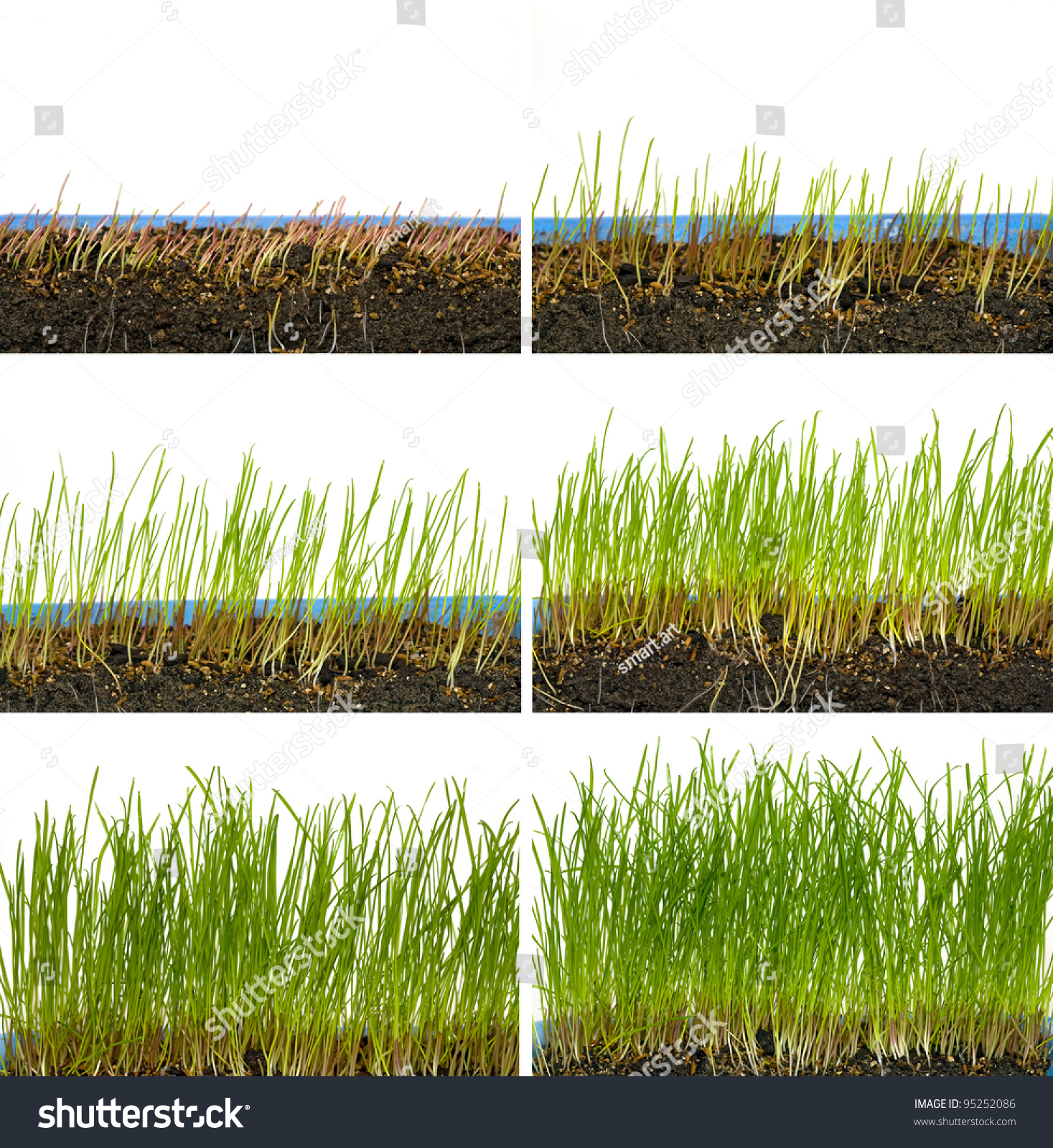
- Start a grass growing experiment. Plant some grass seeds in a clear container and observe the changes daily. Note the color, size, and any other interesting observations.
- Test your soil. Knowing your soil's pH and nutrient levels is crucial for healthy grass growth. Soil test kits are readily available online or at your local garden center.
- Observe after fertilizing. Pay attention to how your grass responds to fertilizer. Does it become greener? Does it grow faster? This is a direct observation of how added nutrients fuel chemical changes within the plant.
Learning that grass growing is a chemical change opens up a whole new perspective on something we often take for granted. It’s a constant reminder that even the simplest things in nature are incredibly complex and fascinating. So, next time you're mowing the lawn, take a moment to appreciate the amazing chemical transformations happening beneath your feet! It turns yard work into a fun, educational, and deeply satisfying experience. Happy gardening!