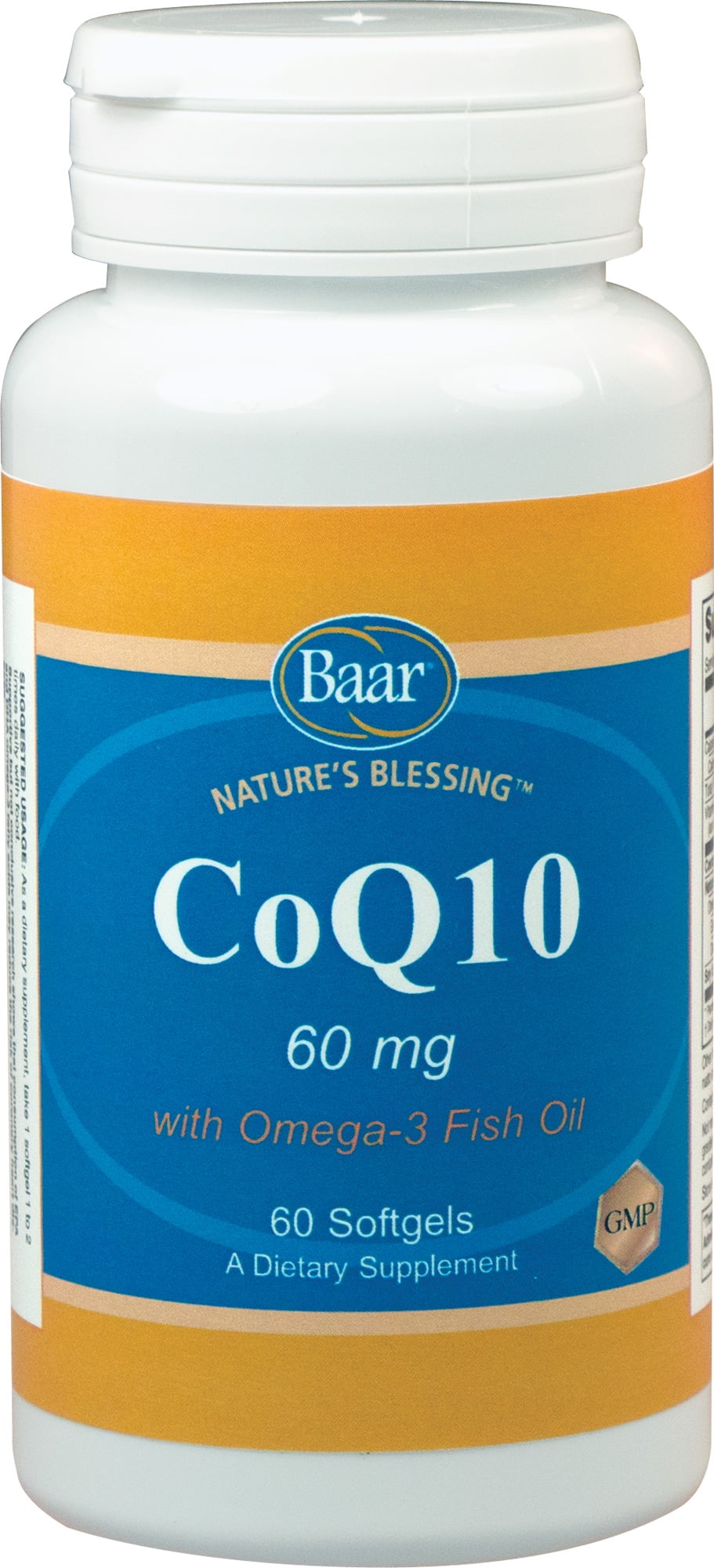
Is Coq10 And Fish Oil The Same

We're all on a quest for that elusive feeling of vitality, aren't we? Whether it's chasing boundless energy, supporting a healthy heart, or simply feeling our best as we age, many of us turn to supplements. And that's where things can get a little...confusing. Two popular contenders in the world of wellness are CoQ10 and fish oil. But are they the same? Absolutely not! Think of them as teammates on a wellness journey, each with their own unique skill set.
Let's start with CoQ10, or Coenzyme Q10. Imagine tiny power plants inside every cell in your body. That's essentially what mitochondria are, and CoQ10 is their star fuel. It's a naturally occurring antioxidant that plays a crucial role in energy production. Without enough CoQ10, those cellular power plants can't operate efficiently. This is especially important for organs with high energy demands, like your heart and brain. So, why do people take it? Well, CoQ10 levels naturally decline with age, and certain medications, like statins, can deplete them further. Supplementing can help replenish these levels, potentially boosting energy, supporting cardiovascular health, and providing antioxidant protection against cellular damage.
You might find CoQ10 recommended for people dealing with heart conditions, migraines, or those simply looking to combat age-related energy decline. It comes in various forms, like ubiquinone and ubiquinol, the latter being considered more readily absorbed by the body. Think of it as giving your cellular engine a tune-up to run smoother and more efficiently.
Must Read
Now, let's dive into the ocean of fish oil. The stars of this show are omega-3 fatty acids, specifically EPA and DHA. These essential fats, meaning our bodies can't produce them on their own, are vital for brain health, heart health, and reducing inflammation throughout the body. DHA is a major building block of the brain, crucial for cognitive function and memory. EPA, on the other hand, has potent anti-inflammatory properties, which can benefit everything from joint pain to mood regulation.
Fish oil is widely recognized for its cardiovascular benefits, helping to maintain healthy cholesterol levels and blood pressure. It's often recommended for individuals with heart disease, arthritis, or those wanting to support overall brain health. You can get your omega-3s from oily fish like salmon, tuna, and mackerel, or through convenient fish oil supplements. Think of it as oiling the gears of your body to keep everything running smoothly and reducing friction.

So, how can you make the most of these supplements? First, always consult with your doctor before starting any new supplement regimen, especially if you have existing health conditions or are taking medications. They can help determine the appropriate dosage and ensure there are no potential interactions. For CoQ10, consider taking it with a meal containing healthy fats, as it's fat-soluble, which can improve absorption. For fish oil, look for high-quality supplements that are third-party tested to ensure purity and potency. Pay attention to the EPA and DHA content, as that's what truly matters. And remember, supplements are meant to complement a healthy lifestyle, not replace it. Focus on a balanced diet, regular exercise, and good sleep habits to truly unlock your full potential.
In conclusion, while both CoQ10 and fish oil are fantastic supplements with unique benefits, they are definitely not the same. CoQ10 is your cellular energy booster, while fish oil is your inflammation fighter and brain health supporter. Understanding their individual roles allows you to make informed choices and potentially combine them for a comprehensive approach to well-being.