Is A Phone Bill A Utility
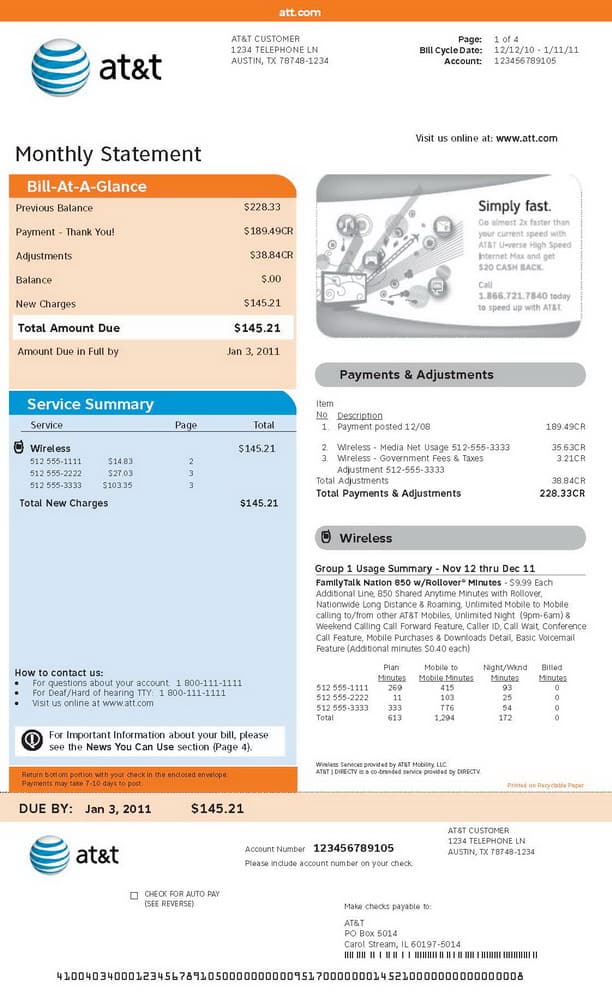
Ever found yourself staring at your phone bill, maybe with a slight sigh, and wondering, "Is this thing a utility?" It's a surprisingly common question that sparks all sorts of interesting thoughts, from budgeting to the very definition of what keeps our modern lives humming. This isn't just a quirky debate for financial experts; it's a topic that touches everyone, because let's face it, our phones are pretty much glued to our hands these days! Understanding where your phone bill stands can help you manage your money better and see your essential services in a whole new light. It’s a fun little mental exercise that has practical payoffs.
So, why is this question useful for different folks? For beginners, like someone moving out for the first time or getting their own phone plan, figuring out if a phone bill is a utility helps them categorize it in their budget. Is it a fixed, non-negotiable cost like electricity, or something more flexible like entertainment? For families, understanding this distinction can be crucial for budgeting. If it's a utility, it implies a certain level of essentialness and perhaps less wiggle room for cuts, guiding decisions on plan choices and data limits. For the more curious minds or personal finance hobbyists, delving into this question offers a deeper understanding of economic classifications, regulatory frameworks, and how our society defines "essential services" in an increasingly connected world. It's about being an informed consumer, no matter your level of expertise.
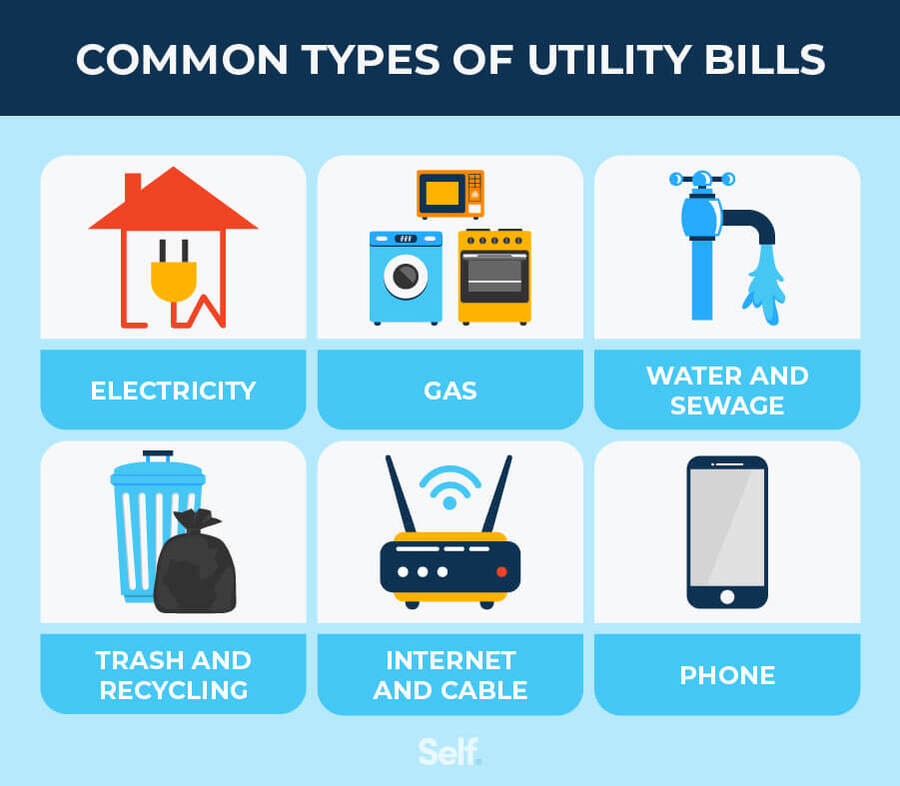
Historically, utilities like water, gas, and electricity are considered essential services often provided by a regulated monopoly or semi-monopoly, vital for public welfare. Landline phones used to fit this mold pretty squarely. But mobile phones? They operate in a highly competitive market. You have choices galore: different carriers, various plans, pre-paid, post-paid. This competitiveness is one reason many argue mobile phone services aren't true utilities in the classic sense. However, the reliance we have on them for communication, emergencies, work, and even banking makes them feel incredibly essential. Think about it: a smartphone is often your primary connection to the outside world, not just a luxury. Some variations even include internet services. Is broadband internet a utility? That's another big debate, especially as more of our lives shift online. The line between what's a traditional utility and what's a modern essential service is constantly blurring.
Must Read
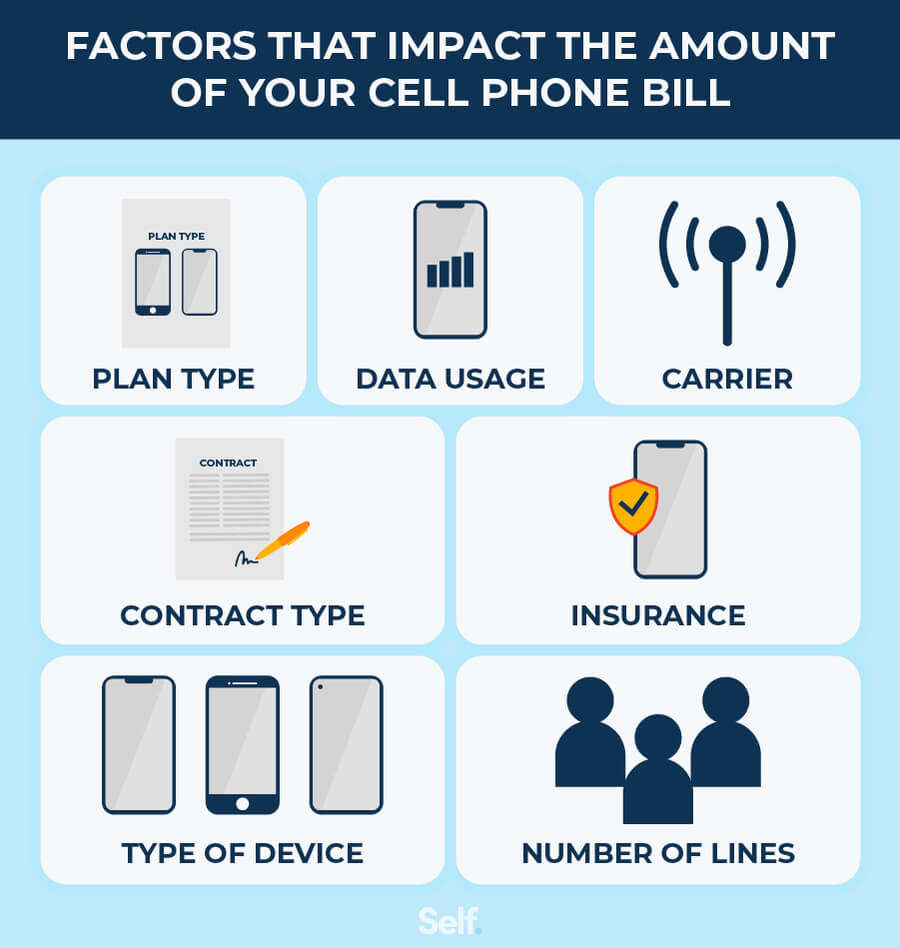
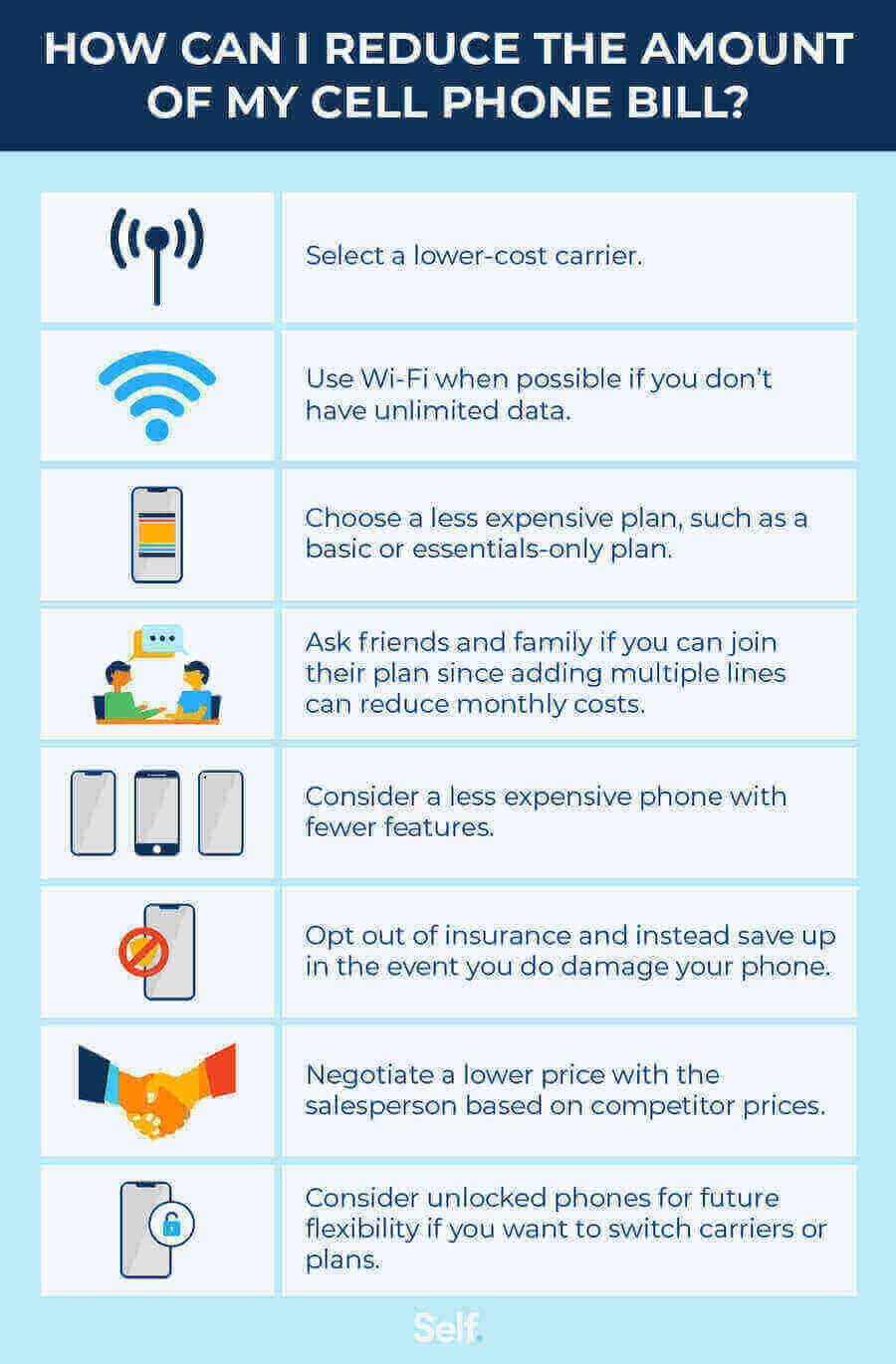
Whether you consider it a utility or not, managing your phone bill wisely is always a good idea. Here are some simple, practical tips to get started: First, review your bill regularly. Don't just pay it; check for unexpected charges, data overages, or services you might not be using. Second, know your usage habits. Do you really need unlimited data, or would a smaller, cheaper plan suffice? Third, shop around! The mobile market is competitive, and new deals pop up all the time. If your contract is ending, it's the perfect time to explore other providers or negotiate with your current one. Finally, consider pre-paid options if budget control is a top priority, as they can prevent bill shock and often offer good value for money, especially for those with predictable usage patterns.
Ultimately, the question of whether a phone bill is a utility is less about a definitive legal answer and more about how we perceive and manage this vital modern expense. Regardless of its classification, it's clear that phone service is a cornerstone of daily life for most of us. By understanding its nuances, comparing options, and staying on top of your usage, you can ensure you're getting the best value and keeping your budget happy. It’s a valuable exercise that empowers you to be a savvier consumer in our ever-connected world, adding clarity and control to your financial life.