
Is A Double Bond Stronger Than A Single Bond

Imagine atoms are like friends holding hands. A single bond is like a casual handshake – friendly, but not super tight.
Now, a double bond? That's like two friends grabbing hands, maybe even linking arms! Sounds like a stronger connection, right?
The Great Bond Tug-of-War
Let's picture a tug-of-war. On one side, we have a rope representing a single bond between two atoms. On the other side, a thicker rope symbolizes a double bond.
Must Read
Which team would you bet on? The double bond team, with their reinforced rope, would almost always win.
So, is a double bond stronger? In most cases, absolutely! It takes more energy to break that double grip than to break a single handshake.
Why does it matter? (Besides bragging rights at the atom's picnic)
The strength of bonds dictates a molecule's behavior. Stronger bonds mean more stable molecules. They are less likely to react or fall apart.
Think about the difference between butter and margarine. Butter contains more single bonds, giving it a solid form at room temperature.
Margarine, with more double bonds, is often softer. The double bonds introduce kinks in the molecule's shape, making it harder for them to pack tightly.
This difference influences texture, melting point, and even how our bodies process them. Fascinating, isn't it?
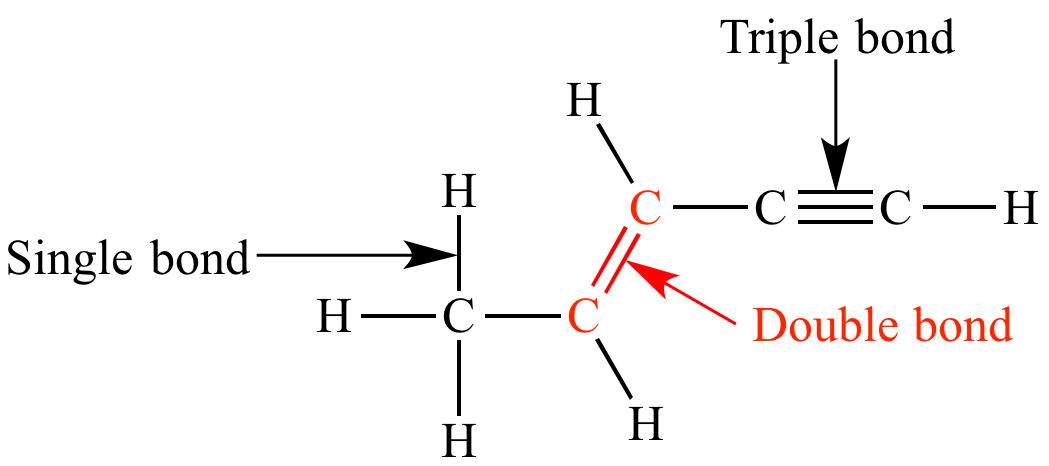
Not Always a Simple Story: A Bond's Love Triangle
Now, here's a twist. While a double bond is usually stronger than a single bond, it's not exactly twice as strong.
It's more like 1.7 or 1.8 times stronger. Why the discount?
Imagine a love triangle. The two atoms in the double bond are closer, and thus more attractive. But the second bond isn't quite as "happy" or effective.
The first bond is straightforward and comfortable. The second is a bit strained, as if they are squished together.
Think of it like trying to squeeze two marshmallows onto one skewer. The first one goes on easily, but the second needs a little extra push.
It's attached, but not as naturally as the first marshmallow. That's kind of what happens in a double bond!
Breaking Up is Hard to Do (Especially with Double Bonds)
Because of their strength, breaking double bonds requires more energy input. This means reactions involving double bonds often need more heat or a catalyst to get started.
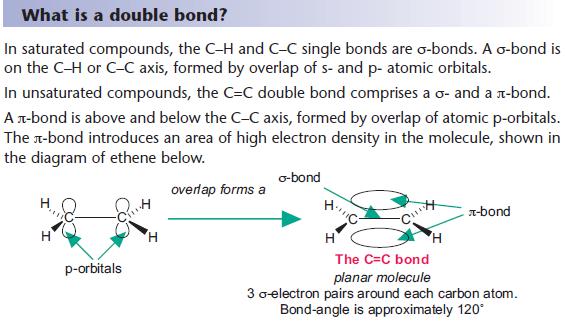
Consider burning wood. Wood is made of complex molecules held together by a bunch of single and double bonds.
Lighting a match provides the energy to break some of those bonds, releasing heat and starting the chain reaction we call fire!
The Colorful World of Double Bonds
Double bonds play a crucial role in how molecules absorb light. This gives many substances their vibrant colors.
Think of carrots. They get their orange hue from beta-carotene, a molecule with many alternating single and double bonds.
These bonds allow beta-carotene to absorb certain wavelengths of light, reflecting the orange wavelengths back to our eyes. It's like a molecular disco ball!
Similarly, the color of the leaves during autumn is due to the breakdown of chlorophyll. Chlorophyll molecules contain magnesium surrounded by several nitrogen-containing rings, featuring alternating single and double bonds.
As chlorophyll breaks down, other pigments with different arrangements of double bonds become more visible, revealing the yellows, oranges, and reds we love.

Double Bonds in Our Daily Lives
You encounter double bonds everywhere, often without realizing it. They're essential building blocks of many materials.
Plastics, for instance, are made of long chains of molecules called polymers. These polymers can contain both single and double bonds.
The arrangement and number of double bonds influence the plastic's flexibility, strength, and melting point. From water bottles to car bumpers, double bonds impact the world around us.
The Smell of Double Bonds (Sometimes Good, Sometimes Not So Much)
Many fragrant molecules also contain double bonds. The distinctive scent of certain flowers or essential oils comes from molecules with specific arrangements of these bonds.
However, double bonds can also contribute to unpleasant smells. Rancid butter or spoiled food often contain molecules that have undergone reactions involving double bonds, releasing volatile compounds we find offensive.
It's a reminder that even something as fundamental as a chemical bond can influence our sensory experiences.
The Chemistry of Attraction: More Than Just Holding Hands
So, is a double bond stronger than a single bond? Yes, in most cases.
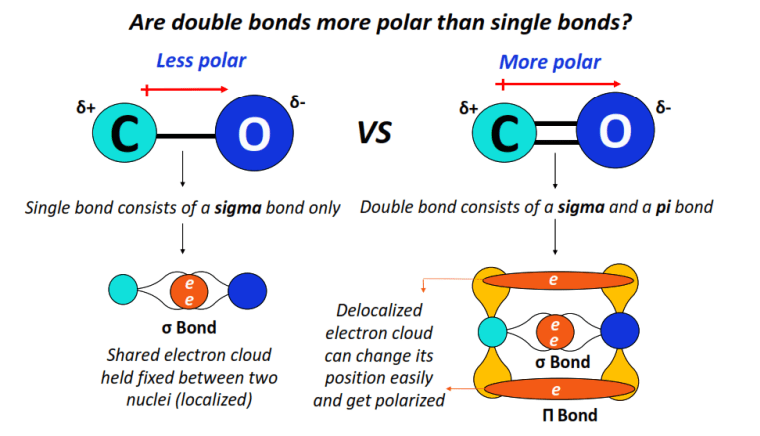
But the story is more nuanced than just comparing strength. The presence of double bonds affects a molecule's shape, reactivity, color, and even its smell.
Think about it: a double bond is not just about holding hands; it's about attraction, stability, and the unique characteristics that make each molecule special.
Ultimately, understanding bonds is like understanding the foundation of the universe. It's a key to unlocking the secrets of how things work at the smallest level.
It might seem like a simple concept, but it explains why some materials are flexible, others rigid, and why some things burn easily while others resist fire.
Next time you encounter something in your daily life, consider the bonds that hold it together. You might be surprised by the complex and fascinating chemistry at play!
Maybe you will be amazed at how much more to learn about the building blocks of life.
And, who knows, maybe you'll even impress your friends with your newfound knowledge of molecular bonding at the next dinner party! Just remember to bring the carrots—for demonstration purposes, of course!