Is A Bearded Dragon A Good Pet

Have you ever looked at a reptile with a goofy grin and thought, "That could be my buddy"? If so, you might be considering a bearded dragon, affectionately known as a "beardie," as a pet. These charismatic lizards have captured the hearts of reptile enthusiasts and newcomers alike, offering a unique and rewarding pet ownership experience. But are they really a good fit for you?
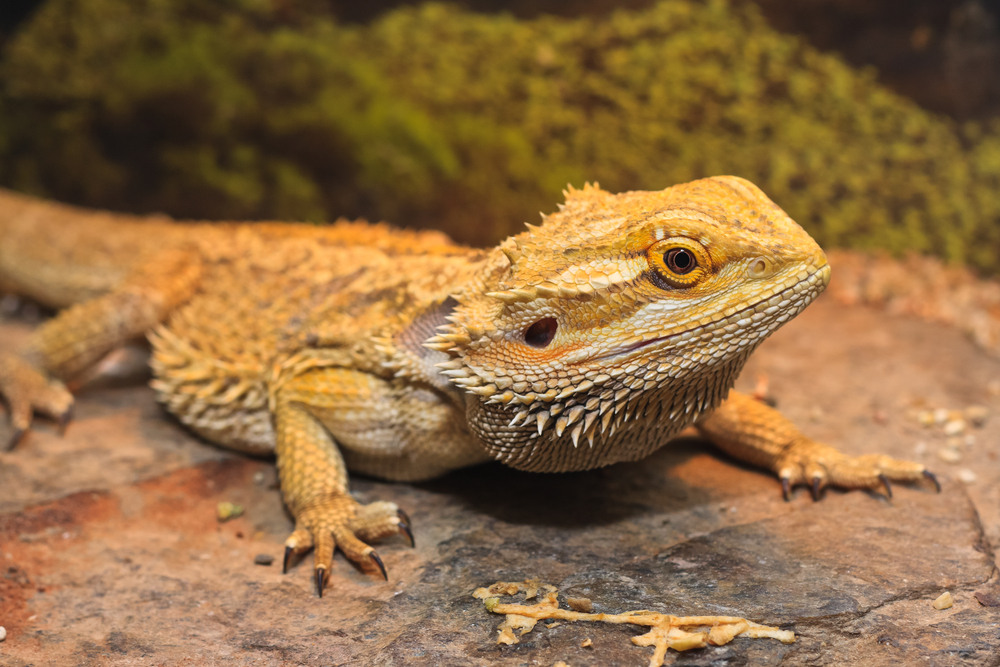
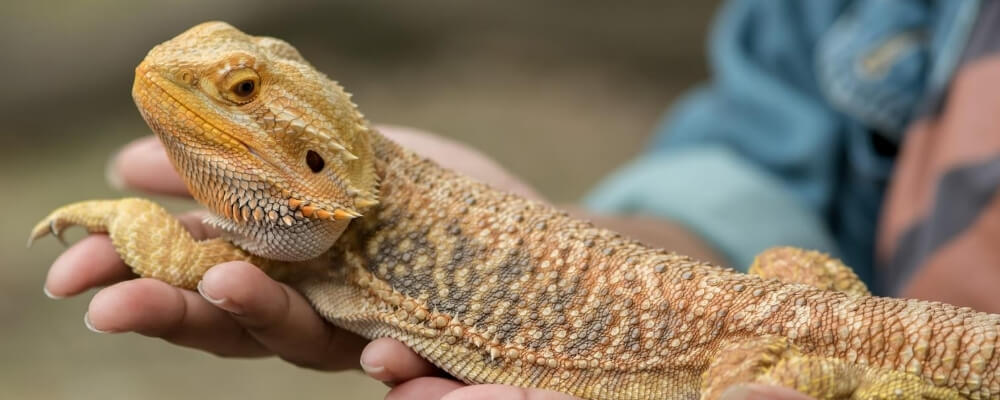
One of the major draws of beardies is their relatively docile nature. Unlike some reptiles, they tend to be quite tolerant of handling, making them enjoyable companions for families and individuals. They also possess a certain charm, with their spiky "beards" (which they can puff out when excited or threatened), and expressive eyes. This makes them incredibly watchable, offering a constant source of amusement and connection.
The benefits of owning a bearded dragon extend beyond simple companionship. Taking care of a beardie can be incredibly educational, particularly for children. It teaches responsibility, as owners must maintain a specific habitat, provide proper nutrition, and monitor the animal's health. Observing their behavior and learning about their needs can also spark an interest in biology and zoology. Plus, interacting with a pet, even one as scaled as a beardie, can be therapeutic, reducing stress and promoting a sense of calm.
Must Read
Bearded dragons are commonly kept as pets by individuals, families, and even in educational settings like classrooms. They are often seen basking under heat lamps in their tanks, munching on leafy greens, or exploring their enclosure. Some owners even take their beardies for supervised outings, allowing them to experience the warmth of natural sunlight and the stimulation of a new environment.
So, how can you make beardie ownership a success? Firstly, research is key. Understand their specific needs, including temperature gradients within their enclosure, proper lighting (UVB and heat lamps are essential!), and a balanced diet of insects and vegetables. Next, invest in a suitable enclosure. A baby beardie can start in a smaller tank, but adults require a minimum of a 40-gallon breeder tank, ideally larger. Regular cleaning and maintenance of the enclosure are also vital for preventing illness.
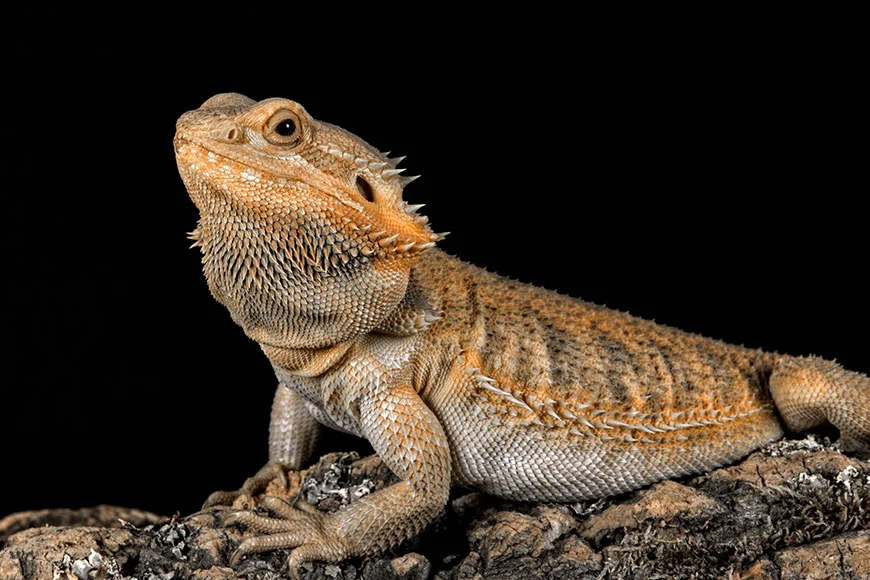
Diet is another crucial aspect. Offer a varied diet consisting of gut-loaded insects (crickets, dubia roaches, mealworms), and a variety of leafy greens like collard greens, mustard greens, and dandelion greens. Supplement their diet with calcium and vitamin D3. Proper feeding is critical for preventing metabolic bone disease, a common and serious ailment in captive reptiles.
Finally, build a bond with your beardie. Handle them regularly, gently stroking their back and talking to them. Offer treats like small pieces of fruit (in moderation!). Creating a positive and trusting relationship will make beardie ownership a truly rewarding experience. While they aren't cuddly in the traditional sense, their unique personalities and interactive nature make them truly exceptional pets. With proper care and dedication, a bearded dragon can be a fantastic and fascinating addition to your life.