Is 78 A Prime Or Composite Number
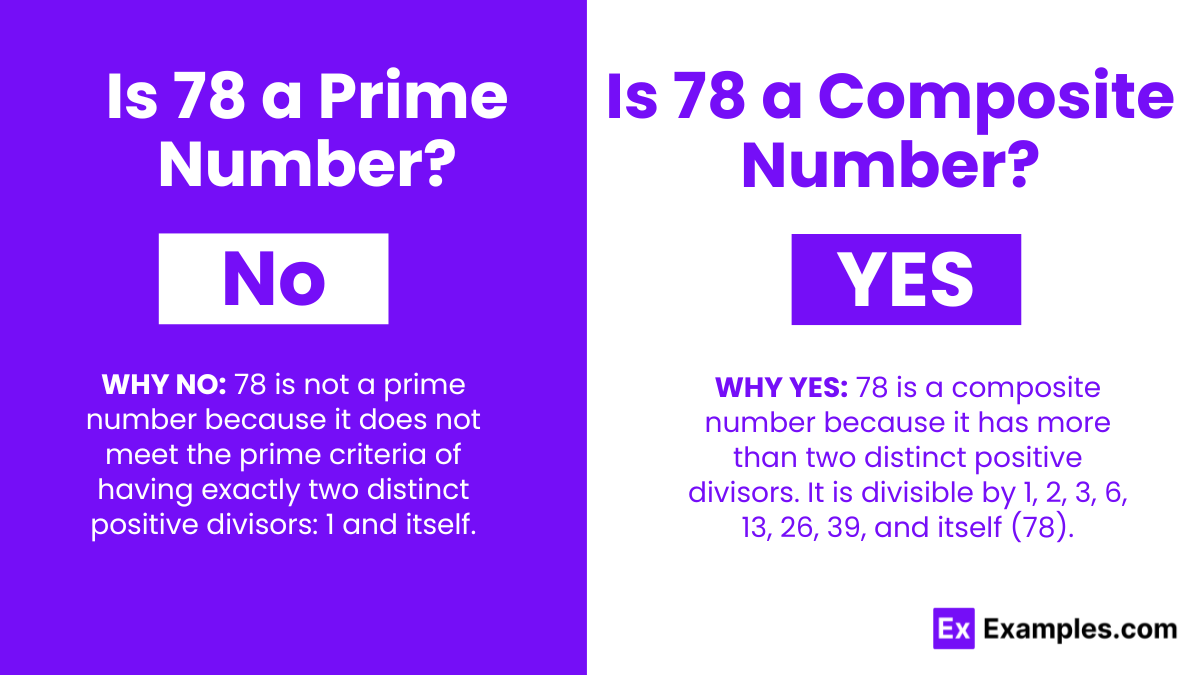
Hey there, math whiz (or maybe math-curious adventurer)! Ever find yourself staring blankly at a number, wondering about its secret life? Today, we're tackling a particularly enigmatic one: 78. Is it a prime number, strutting its stuff solo? Or is it a composite number, part of a larger, more… communal scene? Let’s find out!
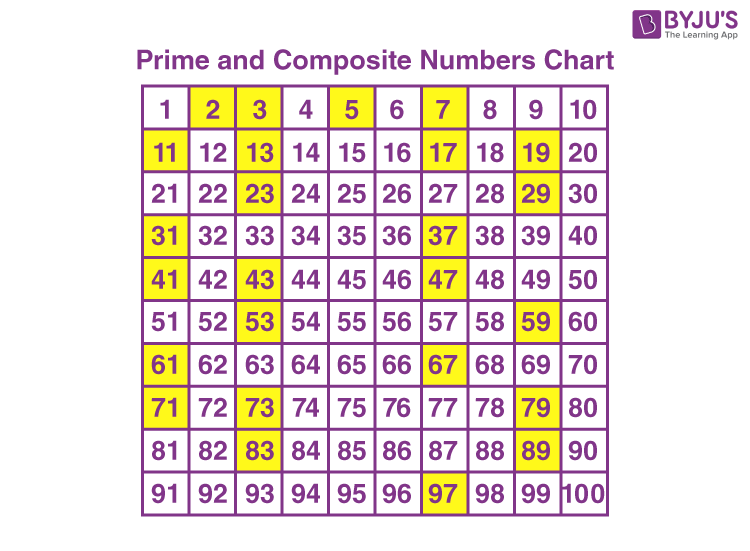
First things first, what even are prime and composite numbers? Think of prime numbers as the cool loners of the number world. They're only divisible by 1 and themselves. Examples? 2, 3, 5, 7, 11… They're exclusive, like that super-secret club everyone wants to get into. Composite numbers, on the other hand, are the social butterflies! They have more than two factors – meaning they can be divided evenly by numbers other than 1 and themselves. They’re all about sharing the love (and the division!).
So, Where Does 78 Fit In?
Alright, let's put on our detective hats and investigate 78. To figure out if it's prime or composite, we need to see if any numbers besides 1 and 78 divide into it cleanly. Let's start with the easiest one: 2.
Must Read
Is 78 divisible by 2? You betcha! 78 / 2 = 39. Huzzah! We've already found a factor other than 1 and 78.
But just for fun, let’s keep going. Are there any other numbers that divide evenly into 78? Let's try 3.
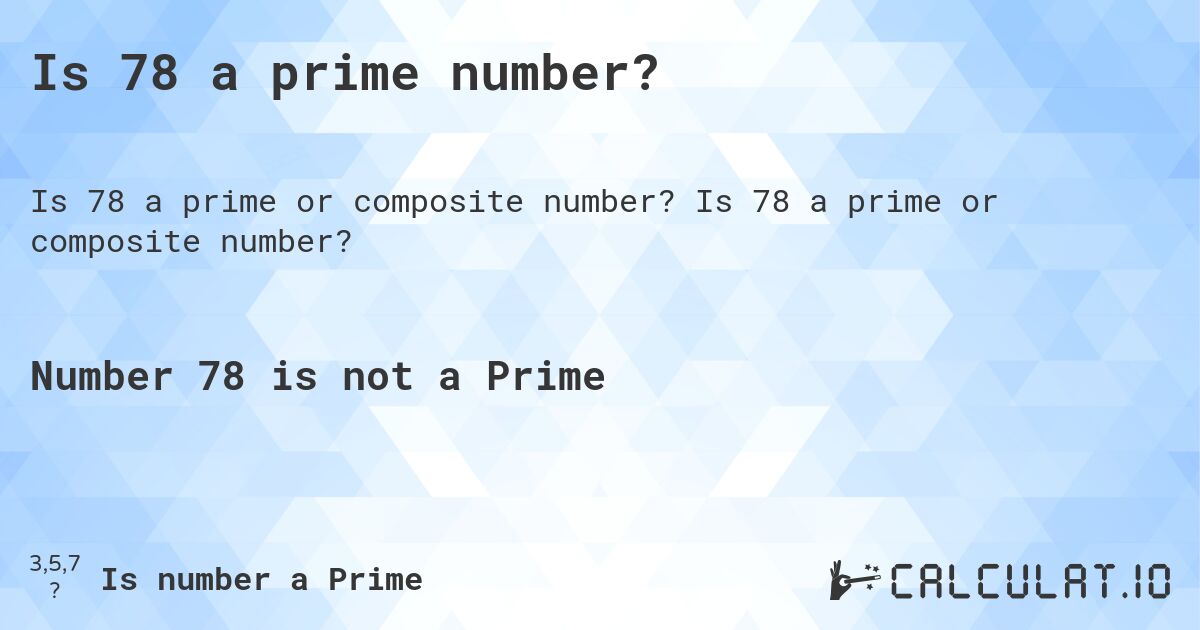
Is 78 divisible by 3? Drumroll please… yes! 78 / 3 = 26. Okay, 78 is starting to look less and less like a prime number and more and more like a composite number with a serious social calendar.
And just for complete thoroughness (and because I’m having fun!), let's check out 6. Yep, 78 / 6 = 13.
We could keep going (and find 13, 26, and 39 as factors too!), but I think we’ve got enough evidence to make a conclusive judgment.
![Is 78 a Prime Number or Composite Number [Why & Why not Detailed Guide]](https://images.examples.com/wp-content/uploads/2024/03/Is-78-a-Composite-Number.png)
The Verdict: 78 is...
… a composite number! Dun dun DUNNN! It has way more than just two factors. It’s a regular party in there! (A party of factors, that is. Get it? Okay, I’ll see myself out…).
So, there you have it. 78 is a composite number because it’s divisible by 1, 2, 3, 6, 13, 26, 39, and 78. That’s a whole lotta factors! Think of it as a very inclusive number.
Let's recap. Prime numbers are the cool, exclusive loners. Composite numbers are the friendly, inclusive social butterflies. And 78? Well, 78 is definitely hanging out at the composite number party, mingling with all its lovely factors.
You did it! You successfully determined whether 78 is prime or composite. You're basically a number ninja now. Go forth and impress your friends with your newfound mathematical prowess! (Or, you know, just enjoy the satisfaction of learning something new. That's pretty awesome too.)
And remember, even if a number isn't "prime," it's still valuable and interesting. Just like in life, being part of a community (or having lots of factors) can be a beautiful thing! So embrace your inner composite number and shine!