
Intel Pentium G3220 3.0 Ghz Haswell
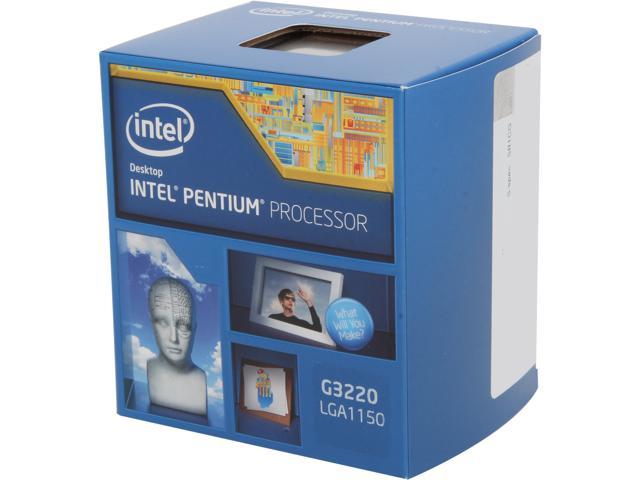
Remember the good old days? When dial-up was king and computers sounded like they were gargling rocks? Let's take a trip down memory lane and revisit a chip that quietly powered many of those early internet experiences: The Intel Pentium G3220.
The Reliable Workhorse
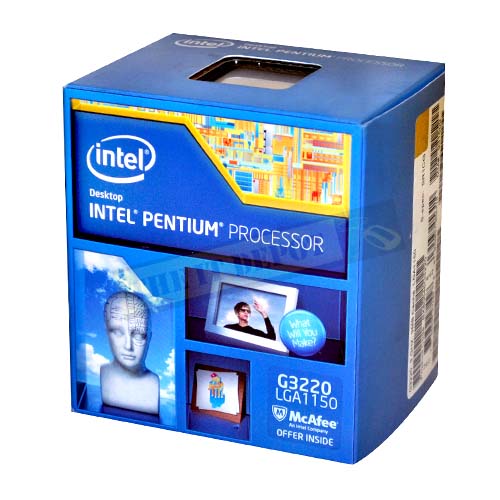
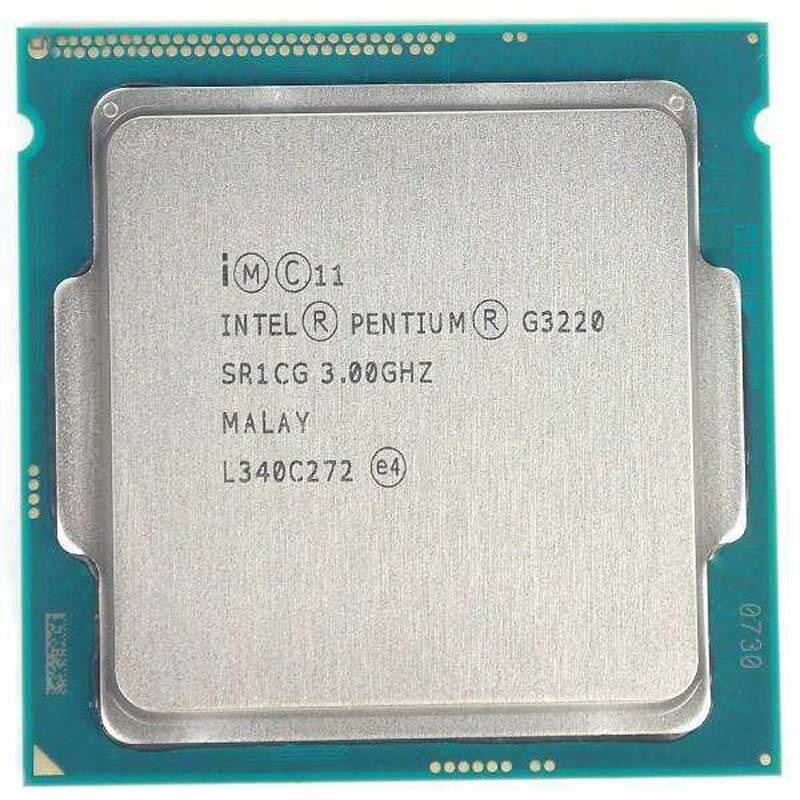
The G3220, a 3.0 GHz Haswell processor, wasn't exactly a superhero. It wasn't going to break any speed records or render the latest CGI blockbuster. But it was the dependable friend you could always count on.
Think of it as the Toyota Corolla of CPUs: not flashy, but incredibly reliable and got the job done without complaint. It just hummed along, powering countless spreadsheets, emails, and solitaire games.
Must Read
The Heart of Everyday Computing
This little chip found its way into countless desktops. It was the unsung hero of office workstations, student laptops, and the family computer in the living room. It made the digital world accessible to everyone.
It was often paired with the then new Windows 8. Now that's a combo! Some might say it was a marriage made in…well, a functional and affordable computing heaven.
Imagine a grandparent video calling their grandkids for the first time. Or a student furiously typing a term paper the night before it's due. The G3220 was quietly there, making those moments possible.
The Haswell Generation
The G3220 belonged to the Haswell generation of Intel processors. It was a time of significant advancements in energy efficiency and integrated graphics. Which meant better battery life and the ability to watch YouTube videos without turning your computer into a space heater.
This was important, because YouTube was rapidly becoming the world's water cooler. And everyone wanted to be able to watch cat videos in HD.

The Haswell architecture was a leap forward, offering better performance per watt compared to its predecessors. This was good for your wallet and the planet!
Affordable Power
One of the best things about the G3220 was its price. It offered decent performance without breaking the bank. This made it a popular choice for budget-conscious consumers and system builders.
It allowed people to enter the world of PC gaming without needing to sell a kidney. You might not have been able to play the latest AAA titles on ultra settings, but you could certainly enjoy a good game of Minecraft.
And let's be honest, for many people, Minecraft was all they needed. Who needs hyper-realistic graphics when you can build your own virtual world out of blocks?
More Than Just Specs
While the G3220 might not have been the fastest or most powerful processor, it had a certain charm. It was a reminder that you don't need to spend a fortune to have a decent computing experience.
It embodied the idea that technology should be accessible to everyone. Not just the wealthy elite or hardcore gamers.
It was the everyman's processor. Reliable, affordable, and always ready to get the job done.
The Underdog Champion
In a world obsessed with speed and performance, the G3220 was a champion of practicality. It wasn't trying to be something it wasn't. It knew its strengths and played to them.
It was the underdog that quietly surprised everyone with its capabilities. It proved that you don't need to be flashy to be effective.
And in many ways, it represents the spirit of the early internet: a place where anyone could participate, regardless of their budget or technical expertise.
A Fond Farewell
The Intel Pentium G3220 may be long gone, but its legacy lives on. It reminds us that technology is about more than just numbers and specifications.
It's about connecting people, enabling creativity, and making the world a little bit more accessible. It was good at all these things.
So, the next time you're using your fancy new computer, take a moment to remember the humble G3220. The little chip that could. The chip that powered a generation.
Lessons Learned
The story of the G3220 is a reminder that progress doesn't always have to be about chasing the bleeding edge. Sometimes, it's about making technology more affordable and accessible to everyone.
It shows that reliability and practicality can be just as valuable as raw power. And that even the most humble of processors can play a significant role in shaping the digital landscape.
So, let's raise a glass to the G3220. A chip that proved that you don't need to be a superhero to make a difference.
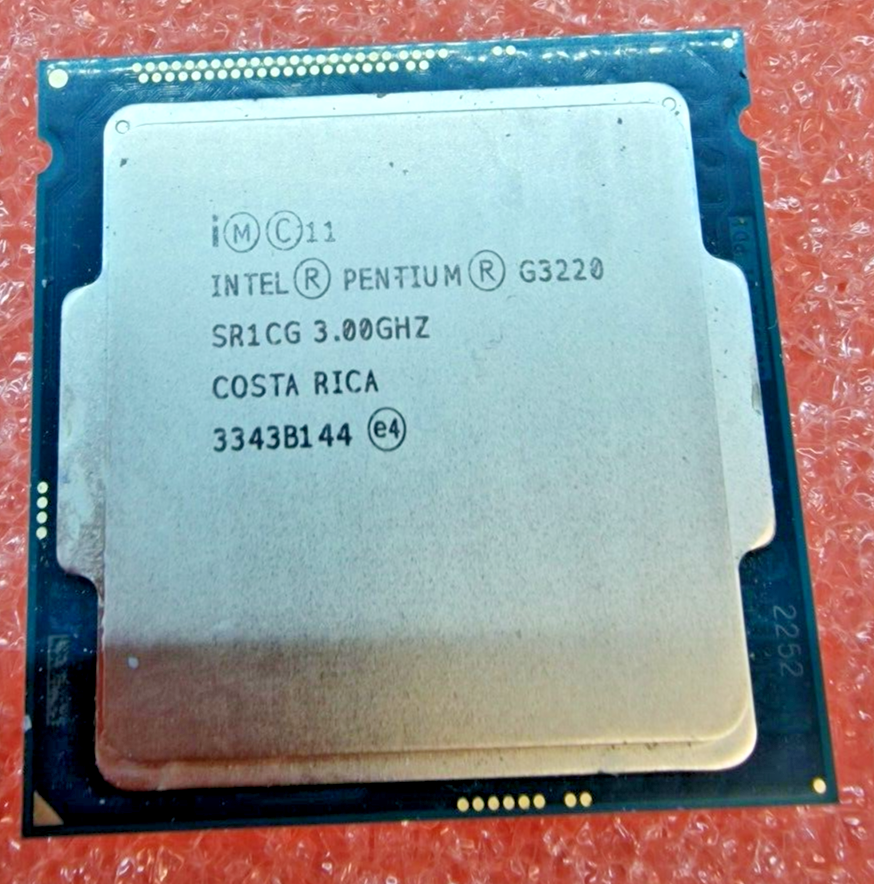
"The G3220: a silent achiever in the world of processors."
The Enduring Legacy
Although newer and more powerful CPUs have long since replaced the G3220, its impact is undeniable. It helped bridge the gap between expensive high-end systems and affordable entry-level computing.
This processor democratized access to technology for countless individuals and families. And that's something to be proud of.
Its story is a testament to the fact that true innovation isn't always about groundbreaking advancements, but about making technology useful and accessible for everyone.
A Piece of Nostalgia
For those of us who remember using computers powered by the G3220, it evokes a sense of nostalgia. A reminder of simpler times when the internet was a new and exciting frontier.
It was a time before social media dominated our lives and when online gaming was just starting to take off. The G3220 was there, powering those early experiences and helping us connect with the world in new and exciting ways.
It was more than just a processor; it was a piece of history. A tangible link to a bygone era of computing.