
If A Smoke Detector Beeps
Ah, that sound. You know the one. That distinctive, often untimely, BEEP! that pierces the quiet of your home, usually in the dead of night or right when you’re engrossed in a binge-worthy series. It’s the sound of your smoke detector, and while it might feel like a tiny domestic tyrant demanding attention, it’s actually your home’s way of having a little chat with you. And trust us, it’s worth listening to.
Far from a dire emergency every time, these beeps are often just little whispers of a system doing its job, or perhaps, asking for a bit of TLC. Let’s decode the language of these tiny, plastic sentinels and turn that annoying interruption into a moment of calm, informed action.
Chirp vs. Alarm: Knowing the Difference
First things first, let’s distinguish between the two primary sounds your smoke detector makes. This is like understanding the difference between a polite cough and a full-blown shout. One is a gentle nudge, the other demands immediate attention.
Must Read
A single, intermittent chirp – perhaps every 30 to 60 seconds – is typically a sign that your unit needs some attention, but not necessarily because there’s a fire. This is usually the low battery warning, or sometimes, an end-of-life signal. Think of it as a pet whining for food. Annoying, but not a crisis.
A loud, continuous, ear-splitting alarm – often three beeps repeated over and over, or a continuous siren – means one thing: there’s smoke detected. This is your cue to spring into action and investigate. This is the shout, the genuine alert, and your safety is paramount.
Decoding the Chirp: The Low Battery Tango
Let's tackle the most common culprit first: the low battery chirp. It’s a classic, right up there with the check engine light on your car or the 1% battery warning on your phone. It nearly always seems to happen at the most inconvenient times, a phenomenon some playfully attribute to temperature drops making older batteries less efficient overnight. Sneaky!
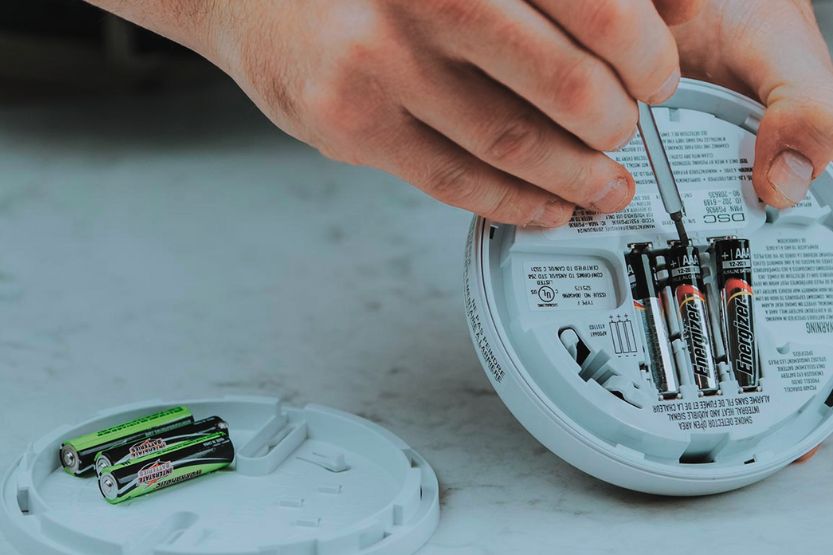
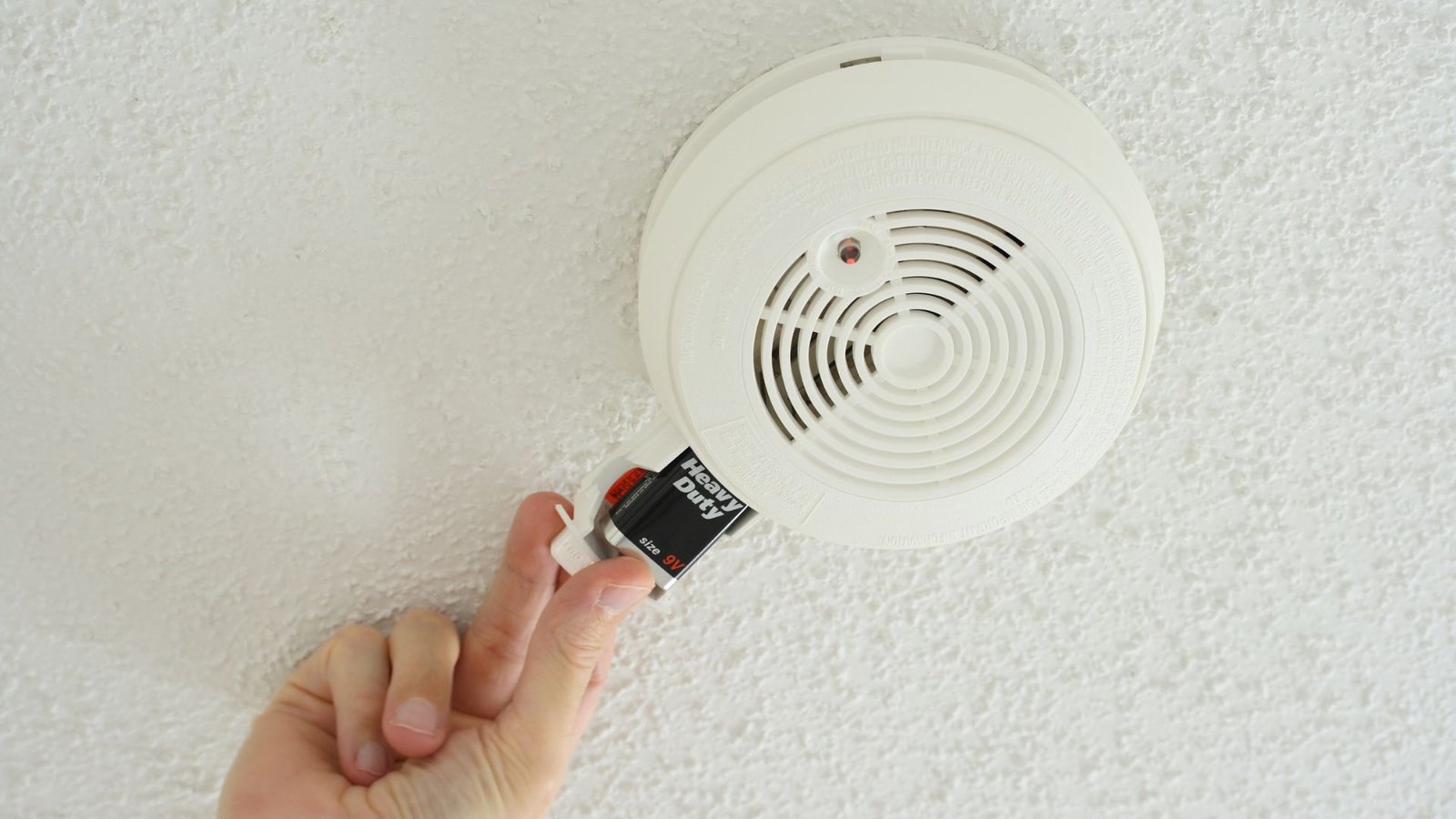
The Fix: Finding which unit is chirping can be a mini-mystery in itself, especially in homes with multiple detectors. Do a little investigative walk-around, listening carefully. Once you’ve pinpointed the culprit, it’s usually a straightforward battery swap. Most smoke detectors use a standard 9-volt battery, easily found at any supermarket or hardware store. Just make sure to have a spare on hand – a handy life hack for any homeowner! To change it, a quick twist or slide off its base, pop out the old, pop in the new, and you’re golden. A quick press of the "test" button afterward confirms it’s back in business.
Sometimes, however, that persistent chirp might mean your detector has reached its end-of-life. These clever gadgets aren't meant to last forever, typically having a lifespan of 7 to 10 years. You can often find the manufacturing date on the back of the unit. If it's past its prime, it's time to replace the whole thing. Consider it an upgrade for your home's safety tech!
The Full Alarm Rave: When It's Not a Fire (Usually)
Now, for the big one: the full-blown alarm. While your immediate thought might be "FIRE!", thankfully, more often than not, it's a false alarm. Our modern lives are full of smoke-detector triggers:
- That perfectly seared steak filling your kitchen with delicious (but alarming) fumes.
- The classic over-enthusiastic toast, turned charcoal in seconds.
- A steamy, spa-like shower filling the bathroom, and perhaps a nearby hallway, with vapor.
- Even dusty units, candles, or incense can sometimes set them off.
What to Do: Don't panic! Your first instinct should be to ventilate. Open windows, turn on extractor fans, and create a cross-breeze to clear the air. Many modern detectors have a "hush" button that temporarily silences the alarm, giving you time to clear the air without needing a ladder. Only use this if you’re certain there's no actual fire, of course!

But what if it's not a false alarm? What if there is genuine smoke? This is where your detector earns its stripes. If you see flames or heavy smoke, or if the alarm sounds and you can't immediately identify a harmless cause, then remember the cardinal rule: Get Out, Stay Out, Call 911. Your smoke detector is your earliest warning system, giving you precious seconds to evacuate safely. Trust it when it yells.
Smart Maintenance for a Smooth-Running Home
To keep those unexpected beeps (and the genuine alarms) in check, a little preventative maintenance goes a long way:
- Test Monthly: A quick press of the "test" button on each unit confirms it’s working. Make it a habit – maybe on the first day of every month, or when you pay a recurring bill.
- Clean Annually: Dust can accumulate in the sensing chambers, leading to false alarms. A gentle vacuum or a blast of compressed air can keep them clear.
- Replace Regularly: Mark the installation date on the detector itself and replace all units every 7-10 years. This isn't just a suggestion; it's a safety imperative.
- Strategic Placement: Ensure you have detectors on every level of your home, inside and outside sleeping areas. Avoid placing them too close to kitchens, bathrooms, or heating vents, where false alarms are more likely.
More Than Just a Beep
In the grand tapestry of homeownership, the smoke detector's beep is more than just an irritating noise. It’s a testament to modern safety, a silent guardian that occasionally speaks up. It’s a little reminder that our homes, much like our lives, require a bit of attention and proactive care. So, the next time you hear that distinctive chirp or blare, take a moment to appreciate the unsung hero on your ceiling. It’s just looking out for you, ensuring your haven remains safe and sound, one beep at a time.
