
Identify The Statements That Describe The Early Labor Movement.
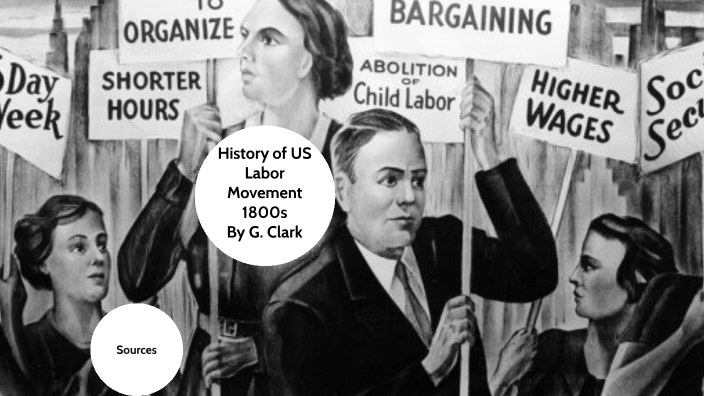
Hey everyone! Ever wonder how we got weekends? Or why kids don't work in factories anymore? Yeah, me too! It's all thanks to the early labor movement. But what exactly was that all about? Let's dive in, shall we?
What's the Big Deal With Early Labor, Anyway?
Think of it like this: Imagine you're in a band. You're practicing day and night, playing gigs, writing songs... but the manager's taking all the money and not even letting you eat! Wouldn't you and the bandmates want to get together and, like, talk about it? Maybe even demand some changes? That's basically what the early labor movement was. Workers uniting to demand better treatment. Cool, right?
But what were they actually fighting for? Glad you asked!
Must Read
Shorter Workdays: Back then, we're talking seriously long hours. Think 12-16 hours a day, 6 days a week. Yikes! Imagine no time for hobbies, family, or even just chilling. These early activists said, "Enough is enough! We need time to, you know, live!" They wanted the famous 8-hour workday, something we pretty much take for granted today. Can you imagine life without the 8-hour day?
Better Wages: This one's pretty obvious. If you're working your tail off, you deserve to be paid a fair wage, right? Back then, employers often paid as little as possible, making it hard for workers and their families to survive. They were advocating for a living wage, which is a wage high enough to maintain a normal standard of living.

Safer Working Conditions: Think about factories filled with dangerous machinery, no safety regulations, and little to no compensation if you got hurt. Sounds like a horror movie, doesn't it? The early labor movement fought tooth and nail for things like ventilation, safety guards on machines, and regulations to protect workers from hazardous materials. They wanted to make sure people could go to work and come home in one piece!
The Right to Organize: This is a big one. It's the right to form unions – groups of workers who band together to collectively bargain with their employers. Think of it like a power-up in a video game. One worker complaining is easy to ignore. But a whole union? That's a force to be reckoned with! Employers often resisted unions fiercely, so fighting for the right to organize was essential.

So, What Statements Describe the Early Labor Movement?
Okay, let's break it down. The early labor movement can definitely be described as:
A struggle for improved working conditions: This encompasses everything from safer factories to reasonable hours.
A push for workers' rights: Think fair wages, the right to organize, and protection from exploitation.

A response to industrialization: As factories grew and industries boomed, workers felt increasingly alienated and powerless. The labor movement was a direct result of these changes.
Often met with resistance: Employers weren't exactly thrilled with the idea of giving up power or paying higher wages. The early labor movement faced strong opposition from business owners, politicians, and even the courts.
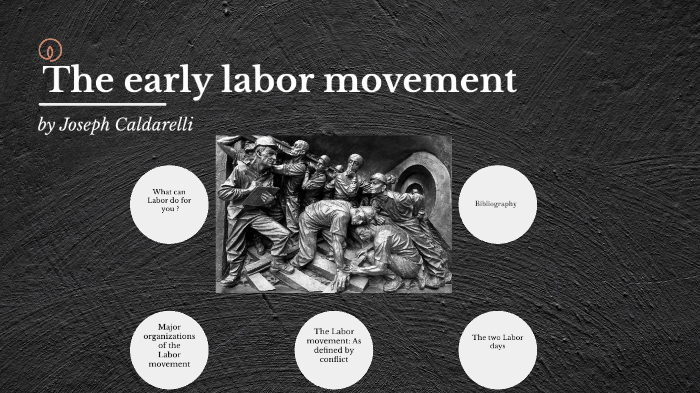
A catalyst for social change: The early labor movement didn't just improve working conditions; it also helped to shape modern society by promoting democracy, equality, and social justice. It set the stage for future movements fighting for civil rights, women's rights, and environmental protection. Pretty impressive, huh?
Why Should We Care Today?
You might be thinking, "Okay, that was a long time ago. Why should I care now?" Well, for starters, everything we enjoy today in terms of worker protections is thanks to those early pioneers. Plus, the issues they faced – low wages, unsafe working conditions, and the fight for collective bargaining – are still relevant today. Look around! There are still workers fighting for better conditions and fair treatment.
Understanding the early labor movement helps us appreciate the progress we've made and reminds us that the fight for workers' rights is an ongoing process. It shows us that when people come together and demand change, amazing things can happen. So next time you enjoy your weekend or take a break at work, remember the folks who fought to make it possible. They're the real MVPs!