
Hyaluronic Acid Supplements Bad For Kidneys

We all chase that youthful glow, right? Shiny hair, supple skin...the whole shebang. And who hasn't heard of hyaluronic acid (HA), the supposed fountain of youth in a bottle? It’s in our serums, our moisturizers, even our lipsticks!
But hold on to your hats, beauty aficionados! There's a little whisper in the wind, a tiny tremor of concern that's making some people pause before popping those HA supplements. Could this hydration hero actually be a hidden villain for our kidneys?
The HA Hype: A Love Affair with Moisture
For years, we've been told hyaluronic acid is the holy grail of hydration. Imagine a sponge, capable of holding a thousand times its weight in water. That's basically HA for your skin!
Must Read
It's no wonder we've embraced it with open arms (and wallets). From fighting wrinkles to lubricating joints, HA seems like a cure-all.
Then came the supplements. Now you could ingest your way to hydration, promising even better, inside-out results. But like that third slice of pizza, sometimes too much of a good thing isn't so good.
The Kidney Conundrum: A Delicate Balancing Act
Our kidneys are the unsung heroes of our bodies. They work tirelessly to filter waste, regulate blood pressure, and keep everything running smoothly.
Think of them as the bouncers at the club of your body, making sure only the good stuff gets in, and the riff-raff gets tossed out. They're pretty darn important!
So, where does hyaluronic acid fit into this equation? Well, that's where things get a little murky, and a little bit interesting.

The Whispers of Worry: What's the Fuss About?
The concern isn't necessarily that hyaluronic acid directly harms the kidneys. It's more about the potential downstream effects of high doses, especially for those with pre-existing kidney issues.
Remember that sponge analogy? What happens when a sponge is too full? It can leak. Similarly, some experts worry that high levels of HA could overwhelm the kidneys, forcing them to work overtime.
And overworked kidneys? Well, that’s a recipe for trouble down the line.
Now, before you chuck all your HA products in the bin, let's be clear: the research is still evolving. It's not like every single person taking HA supplements is guaranteed to develop kidney problems.
However, there have been some studies and anecdotal reports that have raised eyebrows. This is particularly true for individuals with pre-existing kidney conditions.
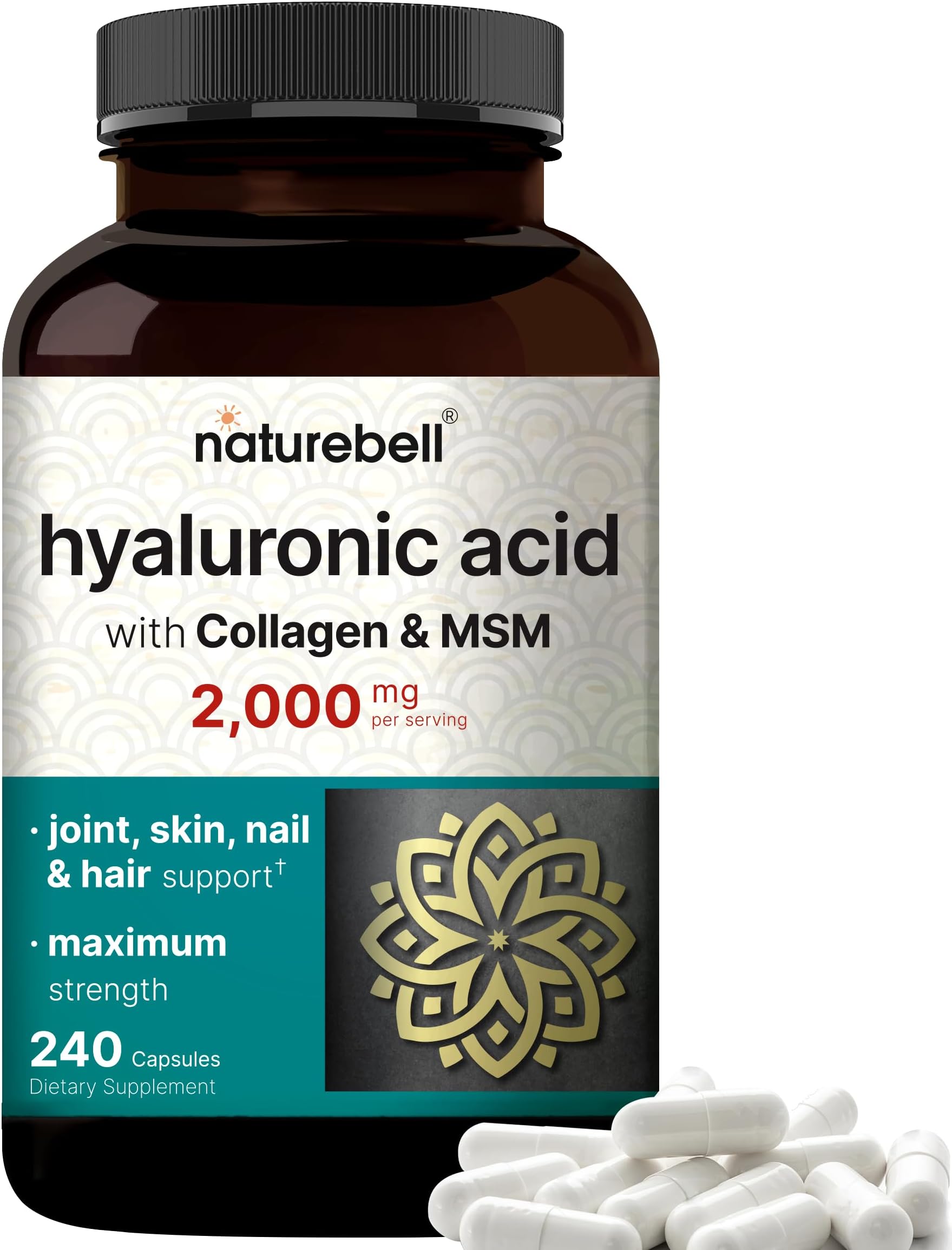
Imagine your kidneys are already juggling a few balls. Then suddenly, someone throws them a bowling ball made of hyaluronic acid. It might not be pretty!
The "Too Much of a Good Thing" Phenomenon
We've all been there, right? Maybe you went a little overboard with the kale smoothies, or perhaps you thought a gallon of water was a good idea on a hot day. Our bodies are resilient, but they have their limits.
Hyaluronic acid is no different. While a little can be beneficial, mega-doses might not be the smartest move. This is especially true if your kidneys are already a bit sensitive.
Think of it like this: a sprinkle of cinnamon on your oatmeal is delicious. An entire jar? Not so much.
Listen to Your Body (and Your Doctor!)
The golden rule of health? Listen to your body! If you're taking HA supplements and you start experiencing unusual symptoms – swelling, fatigue, changes in urination – it's time to pay attention.
And, of course, talk to your doctor! They can assess your individual risk factors, consider your medical history, and provide personalized advice. Remember, Dr. Google isn't a substitute for a real, qualified medical professional.

Your doctor might even suggest getting your kidney function checked with a simple blood test. Better safe than sorry, right?
The Balanced Approach: Moderation is Key
So, does this mean we should all swear off hyaluronic acid forever? Absolutely not! It just means we need to approach it with a bit more awareness and caution.
Instead of blindly popping pills, consider focusing on topical HA products. Serums and creams deliver HA directly to the skin, bypassing the digestive system and potentially reducing the burden on your kidneys.
And remember, a healthy lifestyle goes a long way. Staying hydrated with good old-fashioned water, eating a balanced diet, and getting regular exercise can all contribute to healthy kidney function and overall well-being.
The Silver Lining: A Chance to Re-Evaluate
Sometimes, a little health scare can be a good thing. It forces us to re-evaluate our choices and make more informed decisions about our well-being. This whole HA and kidney business is a perfect example.

It's a reminder that there's no magic bullet, no quick fix for perfect health. True beauty comes from within, nurtured by a balanced lifestyle and a healthy respect for our bodies.
So, next time you reach for that HA supplement, take a moment to pause and reflect. Is it truly necessary? Are you considering your individual risk factors? Are you listening to your body?
Perhaps instead of chasing the latest beauty trend, we should focus on appreciating the incredible machine that is our body and treating it with the kindness and respect it deserves. That, my friends, is the true secret to lasting beauty and well-being.
Ultimately, the hyaluronic acid story reminds us that even the most seemingly harmless substances can have unintended consequences. It's a call for informed choices, open communication with our doctors, and a healthy dose of skepticism when it comes to the latest health fads.
So, let's raise a glass (of water, of course!) to healthy kidneys, balanced choices, and a beauty routine that nourishes us from the inside out.