How To Write A Professional Memo Examples
Let's be honest, when you hear "memo," does your heart do a little tap dance of excitement? Probably not. But stick with me, because crafting a killer professional memo is a surprisingly useful skill, and dare I say, can even be a little bit fun! Think of it as your secret weapon for clear communication in the workplace. It’s like having a superpower – the power to cut through the noise and get your point across effectively.
So, what exactly is a memo, and why should you bother learning how to write one that doesn't induce eye-rolls? A memo, short for memorandum, is simply a written message used for internal communication within an organization. It's a more formal way to share information than a casual email, but less formal than a report. Think of it as the Goldilocks of workplace communication – just right!
The purpose of a memo is multifaceted. It can be used to: announce company policies, request information, provide updates on projects, propose solutions, or even summarize meetings. But here's the thing: a poorly written memo is a waste of everyone's time. A well-written memo, on the other hand, can streamline processes, improve understanding, and ultimately, make you look like a rockstar. The benefits are clear: improved clarity, efficient communication, and a boost to your professional image.
Must Read
Now, let's get down to the nitty-gritty: how do you actually write a professional memo that doesn't bore everyone to tears? Here’s a simple structure:
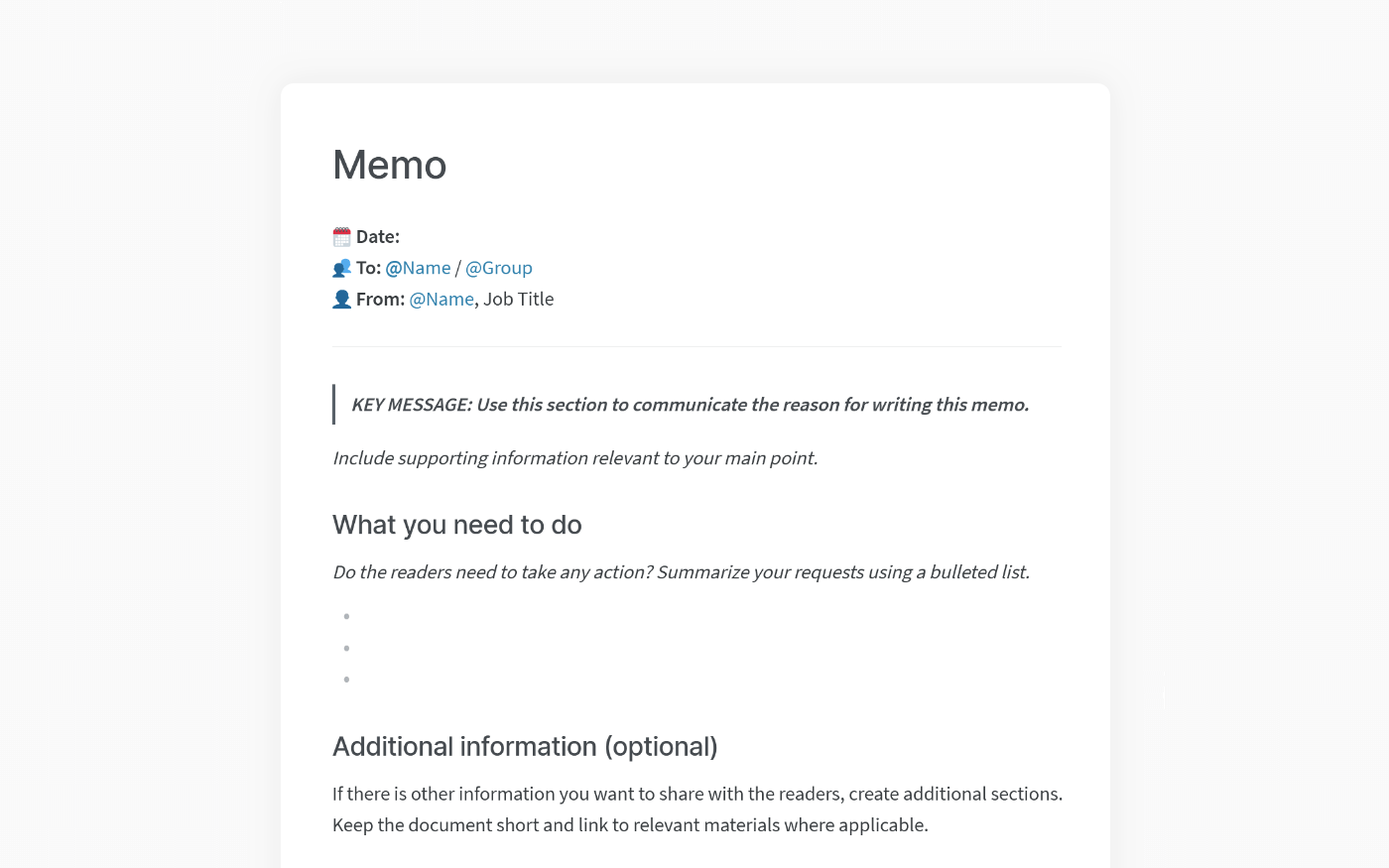
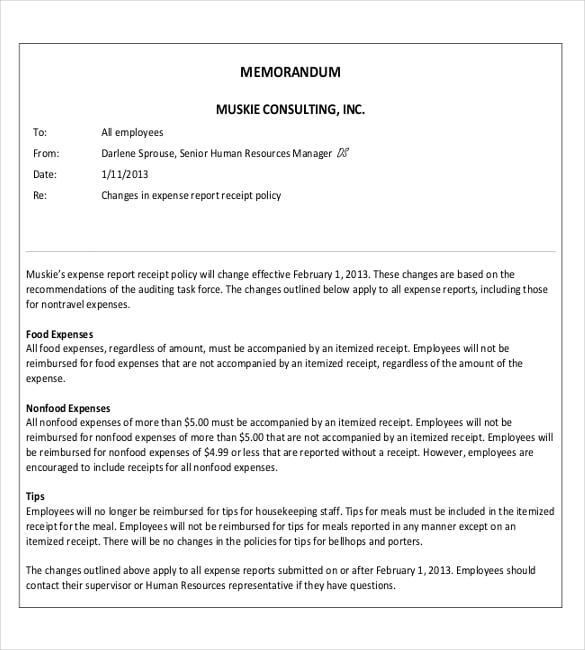
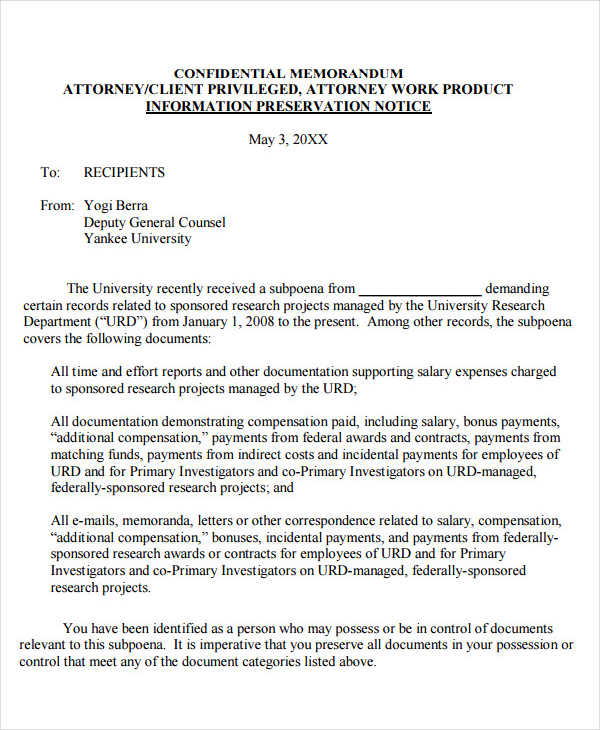
1. Header: This is the easy part! Typically, you'll need to include: * To: (Recipient's name and title) * From: (Your name and title) * Date: (The date you're sending the memo) * Subject: (A clear and concise summary of the memo's topic – make it punchy!)
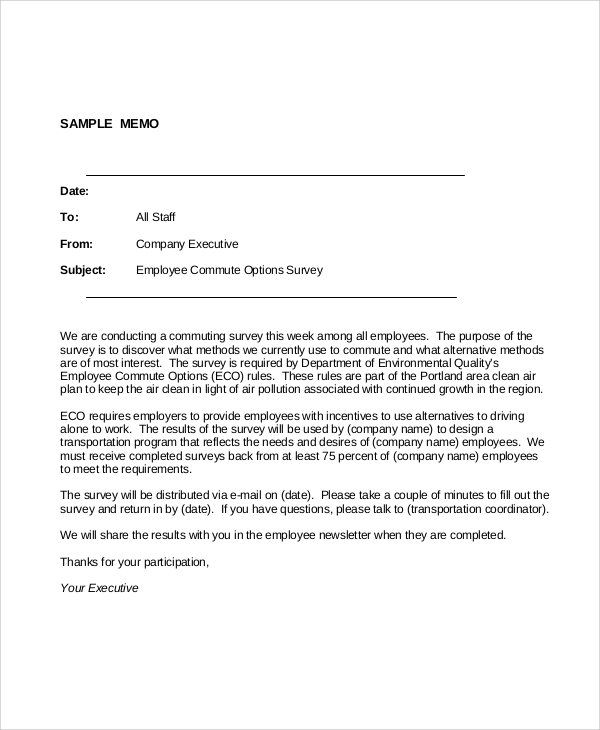
2. Introduction: Start with a clear and direct statement of your purpose. Get to the point! Readers should immediately understand why they are reading this memo. For example, "The purpose of this memo is to inform you about the upcoming changes to our vacation policy."
3. Body: This is where you provide the details. Use clear and concise language. Break up large blocks of text with bullet points or numbered lists to make the information easier to digest. Avoid jargon or overly technical terms unless your audience is very familiar with them. Always be professional and respectful in your tone, even if you're delivering bad news.
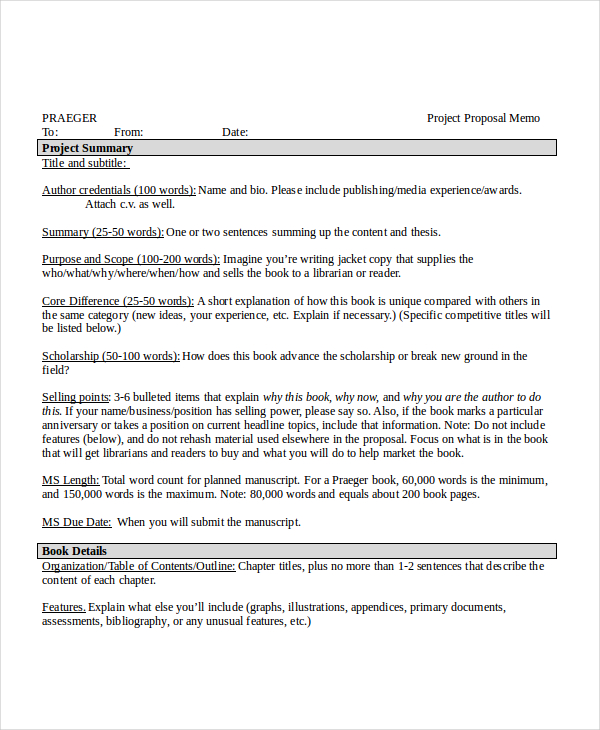
4. Conclusion: Summarize your main points and clearly state any action items. What do you expect the reader to do after reading this memo? Do they need to respond, attend a meeting, or implement a new procedure? Make it crystal clear.
5. Closing: End with a professional closing, such as "Sincerely" or "Best regards," followed by your typed name. You can also include your initials next to your name.
Think of writing a memo like crafting a compelling argument – you want to present your information in a clear, logical, and persuasive way. By mastering this simple skill, you can become a more effective communicator and a valuable asset to your organization. So go forth and conquer the memo! It's not as scary as it seems, and who knows, you might even start enjoying it (a little).