
How To Wire House For Portable Generator

Alright, so picture this: the lights flicker, then BAM! Everything's dark. Your coffee maker sighs, the fridge goes silent, and your phone's on 10%. Classic power outage, right? Ever been there? It’s no fun. But what if you could just… flip a switch and keep the essentials humming? That, my friend, is where wiring your house for a portable generator becomes your superpower.
Now, before you go all DIY-hero and grab some wire cutters, let's get one thing straight. We’re talking about doing this the right way. No janky extension cords taped to the side of your house, okay? And absolutely, positively no backfeeding. What’s backfeeding? It’s when you plug your generator directly into a wall outlet, sending power back into the grid. Sounds efficient, right? Wrong! It’s super dangerous for utility workers trying to fix the lines, and frankly, it could set your house on fire. Not ideal for cozy coffee chats, am I right?
So, the goal here is safety first, always. We want your fridge running, your phone charging, and maybe even a lamp or two, without putting anyone at risk. The secret sauce involves a few key players: an inlet box, and a transfer switch (or an interlock kit). These aren't just fancy words; they're your home's bouncers, making sure generator power goes only where it's supposed to.
Must Read
First up, the inlet box. Think of it as a special outdoor outlet, but for your generator. It’s usually mounted on the exterior of your house, plugged directly into your generator. This is where your generator power officially enters the building. Pretty straightforward, right? It's like the designated VIP entrance for your emergency electricity.
Next, and perhaps the most critical piece of the puzzle, is the transfer switch. This baby is pure genius. When the power goes out, it lets you switch your house (or specific circuits) from utility power to generator power, and vice-versa. The beauty of it? It physically prevents both sources from being connected at the same time. No backfeeding, no danger. See? Genius!

There are a couple of flavors of transfer switches. A manual transfer switch lets you pick and choose which circuits you want to power – maybe just the fridge, some lights, and the coffee maker. Perfect for keeping things simple. Or, you might opt for an interlock kit. This is a clever mechanical device installed in your main electrical panel. It slides over, preventing your main breaker from being on when the generator breaker is on. It’s a bit more involved to install, but often a more cost-effective way to power a larger portion of your home safely.
So, how does this all come together? Well, once you decide on your transfer method, an electrician will run heavy-gauge wire from that outdoor inlet box, through a conduit, and into your main electrical panel. There, it connects to your shiny new transfer switch or interlock kit. When the grid power fails, you fire up your generator (outside, mind you, never indoors! Carbon monoxide is a silent killer, seriously), plug it into the inlet box, then flip the transfer switch. Voila! Instant power, just for your chosen circuits.
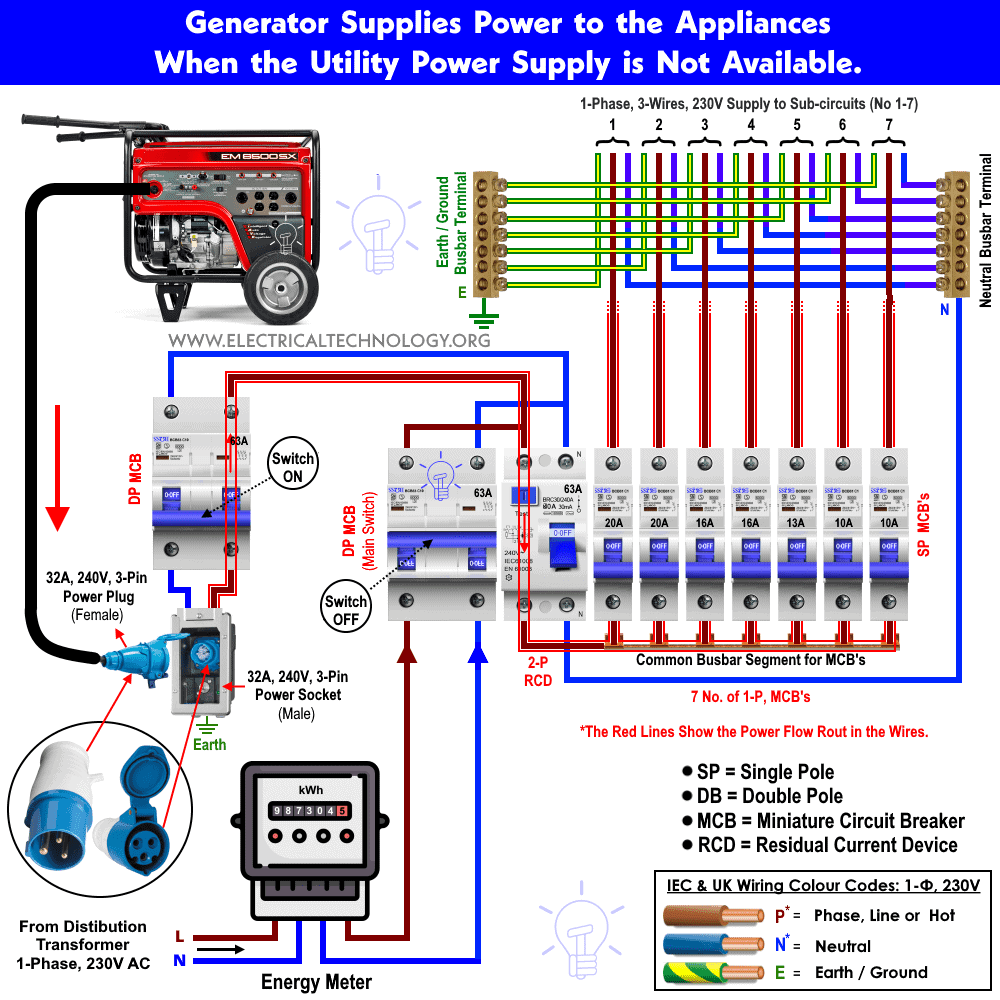
A friendly heads-up: planning is key! Think about what you really need during an outage. Is it just the fridge and a few lights, or do you want the TV for apocalypse bingo? This helps determine the size of generator you'll need and how many circuits your transfer switch should handle. And always, always, always make sure your generator is outside, away from windows and doors, allowing that exhaust to dissipate harmlessly. Invest in a good CO detector too, just for good measure.
Now, while this might sound like a fun weekend project, wiring for a generator involves high voltage and requires a deep understanding of electrical codes. This isn't the place to guess or wing it. My absolute best piece of advice? Call a licensed electrician. Seriously. They’ll ensure everything is installed correctly, safely, and up to code. It's an investment in your safety and peace of mind.
So, next time the power flickers, instead of groaning, you can just saunter over to your generator, fire it up, and keep that coffee brewing. You'll be the calm, powered-up hero of your neighborhood. And that, my friend, is a pretty good feeling.

