How To Turn Off The Fire Alarm At Home
Ever been in the middle of a perfectly good cooking adventure – perhaps sizzling up some bacon or trying a new stir-fry recipe – when suddenly, the piercing shriek of your home's fire alarm cuts through the air? Or maybe you've had a particularly steamy shower trigger the sensitive sensor in the hallway? It's a common, slightly panicked moment we've all faced. That loud, insistent beep-beep-beep can instantly transform a peaceful home into a chaotic soundscape. Learning how to temporarily quiet that relentless guardian of your safety isn't just a party trick; it's a valuable piece of household knowledge that brings a surprising amount of calm to an otherwise alarming situation.
The primary purpose of knowing how to silence your fire alarm is simple: to regain control and peace of mind during a false alarm. When there's no actual fire, that incessant noise can be incredibly stressful, making it hard to think clearly or even hear what others are saying. The immediate benefit is reducing panic and allowing you to calmly identify the true cause (like that slightly over-toasted bagel!) and rectify it without unnecessary sensory overload. It prevents those awkward moments where your entire household, and possibly your neighbors, are wondering if a culinary disaster has truly struck. It also means you can quickly get back to enjoying your home without the lingering echo of an alarm.
In our daily lives, these moments pop up more often than you might think. Beyond the classic burnt toast scenario, consider a smoky fireplace on a chilly evening, a powerful oven cleaner releasing fumes, or even just accumulated dust in an older detector setting it off. Knowing how to temporarily quiet the alarm allows you to deal with the actual issue – opening windows, turning on fans, or simply clearing the air – without the constant auditory assault. Think of it as a small act of domestic empowerment, teaching you to calmly manage minor household hiccups. It even has an educational angle: it subtly teaches everyone in the house, especially children, that while the fire alarm is a vital safety device, there are also times it can be managed when there’s no real danger, reinforcing the difference between a drill and an actual emergency.
Must Read
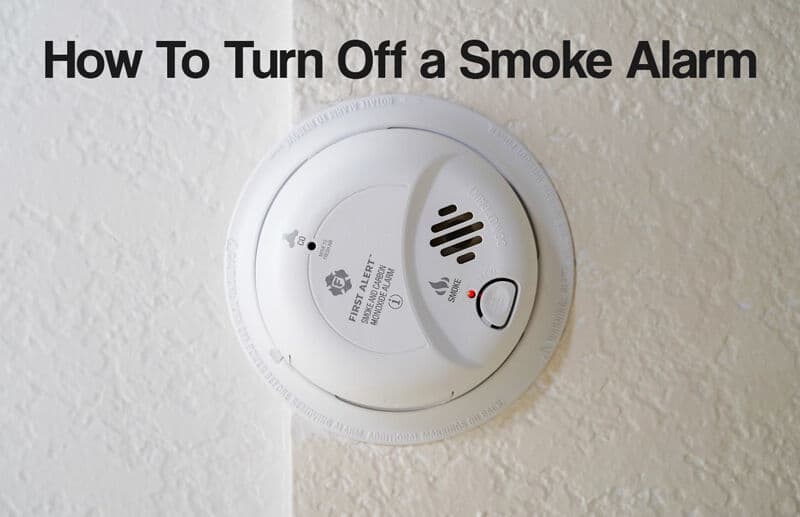
So, how do you navigate this common domestic challenge? Here are some practical tips. First, identify the type of alarm you have. Most modern smoke detectors, whether battery-powered or hardwired into your home's electrical system, have a visible "silence" or "test" button on the face of the unit. A quick press of this button is often all it takes to quiet the alarm for several minutes, giving you time to clear the air. If it's a hardwired system with multiple detectors, silencing one might silence them all, or you might need to identify the specific unit that triggered the alert. For persistent false alarms, or if a unit keeps chirping, you might need to replace its batteries (for battery-powered units) or temporarily flip the circuit breaker for your smoke detectors at your main electrical panel (for hardwired systems, but this should be a last resort and you must remember to turn it back on immediately).
Crucially, once the air is clear, the alarm should reset itself. If it doesn't, or if it continues to chirp intermittently, it usually signals a low battery, and a fresh battery replacement is in order. Remember, the goal here is temporary silencing for false alarms, not permanent deactivation. Your fire alarm is a critical safety feature, and it should always be active and ready to protect your home and family. Exploring these simple steps equips you with the confidence to handle those unexpected beeps with calm and efficiency, turning a moment of potential panic into a simple, manageable task.