
How To Turn Off Fire Alarm In Commercial Building
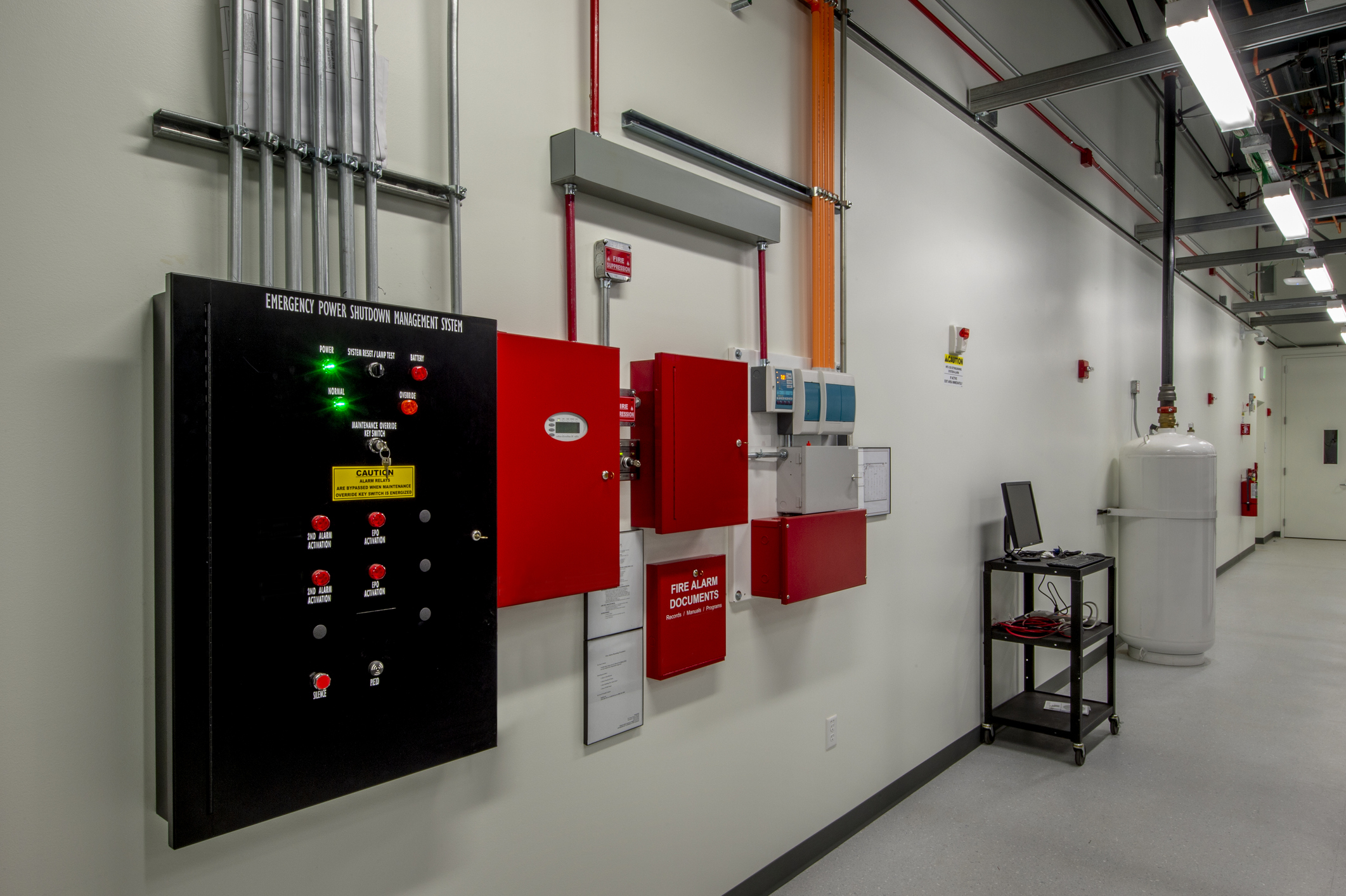
Ever been in a bustling office or a busy shopping center when, suddenly, a fire alarm erupts, piercing the calm with its insistent blare? It’s a moment that often sparks a mix of confusion, urgency, and a touch of panic. While our immediate instinct is usually to evacuate, a small, curious part of us might wonder: How exactly do these things get turned off? It's a question less about becoming a rogue technician and more about understanding the intricate dance of safety and procedure that keeps commercial buildings secure. Peeling back the curtain on this topic isn't just a fascinating mental exercise; it's about gaining a deeper appreciation for the systems designed to protect us all.
The primary purpose of a commercial fire alarm system is, of course, to alert occupants to a potential fire or emergency, facilitating a swift and safe evacuation. But once the immediate danger is assessed, or if it's a false alarm (which, let's face it, happens!), knowing the correct shutdown protocol becomes vital. The benefits of understanding this process extend beyond just silencing the noise. It ensures that the system is reset properly, ready to detect the next real threat. It prevents unnecessary disruption, reduces stress for building occupants, and, most importantly, maintains the integrity of the building’s overall safety infrastructure. For building managers and trained personnel, knowing the system inside out is crucial for efficient emergency response and system maintenance, preventing accidental damage or unauthorized tampering.
In terms of education and daily life, this understanding isn't about empowering every individual to be a fire alarm operator. Instead, it's about fostering informed awareness. In educational settings, fire safety courses often cover the basics of alarm systems, their components, and the chain of command for managing alerts. Building management programs delve deep into the technical specifications and operational procedures. In our daily lives, simply knowing who to contact—be it building security, facility management, or a designated fire warden—is a practical application. It helps us understand why we evacuate during drills and appreciate the careful thought behind emergency protocols. It’s about recognizing that there’s a sophisticated process at play, not just a simple on/off switch accessible to anyone.
Must Read
So, how can you "explore" this without getting yourself into trouble or causing a panic? The most important practical tip is this: never attempt to turn off a fire alarm in a commercial building unless you are a designated, trained, and authorized individual with the explicit permission to do so. Tampering with a fire alarm system is not only dangerous but often illegal. Instead, focus on learning your building’s specific emergency plan. During fire drills, pay attention to the procedures and ask your building manager or fire safety officer about the process for resetting alarms. They can often provide insights into the specific control panels, security measures (like key-card access or passcodes), and the steps involved. Understanding that these systems are complex, monitored, and require specialized knowledge is key. Embrace curiosity, but always prioritize safety and official protocols. After all, the goal is to understand how our safety nets work, not to dismantle them.
![[4 Easy Ways] - How To Turn Off Fire Alarm In Building?](https://www.extraalarm.org/wp-content/uploads/2021/11/How-To-Turn-Off-Fire-Alarm-In-Building.jpg)


