
How To Test For Carbon Monoxide At Home

Alright, let’s talk about something a little bit… unseen. Like that elusive single sock after laundry day. Or the exact moment your cat decides to launch itself from the bookshelf. Life is full of mysteries, isn’t it?
But some mysteries are less "quirky" and more "definitely-not-what-you-want-in-your-home." We’re peering into the invisible world of carbon monoxide. You know, CO. The silent ninja of gases. It’s odorless. It’s colorless. It’s absolutely no fun at parties. And it can be seriously dangerous if you don't know it's crashing at your place.
So, How Do You Test For This Sneaky Intruder?
Now, here’s my slightly unpopular opinion, folks. And brace yourselves, because it might ruffle a few feathers. You ready?
Must Read
Your nose is useless here. Your eyes are no help. Your "sixth sense" is probably just last night's bean burrito. That phone app promising to detect everything? Yeah, no. Save it for spotting UFOs or perfect selfie angles. When it comes to CO, your body's natural detectors are taking a vacation.
We think we're super sleuths. Smelling toast from afar, spotting dust at twenty paces. But CO? It plays a different game. No rotten egg smell. No watery eyes. It just… is. Quietly lurking. Blending with your throw pillows.

So, forget the dramatic sniff tests. Put away the "can I feel it?" internal debates. Stop trying to commune with the air spirits. Those methods, while perhaps entertaining for a TikTok video, are not going to keep you safe from carbon monoxide poisoning. Sorry, not sorry. Truth hurts, but safety saves.
The Real Way: Your Not-So-Secret Weapon
Okay, enough with the debunking. Let’s get to the good stuff. The actual, honest-to-goodness, reliable way to test for CO at home is wonderfully simple. It’s called a carbon monoxide detector. Imagine that! A device specifically designed for the job. Revolutionary, right?
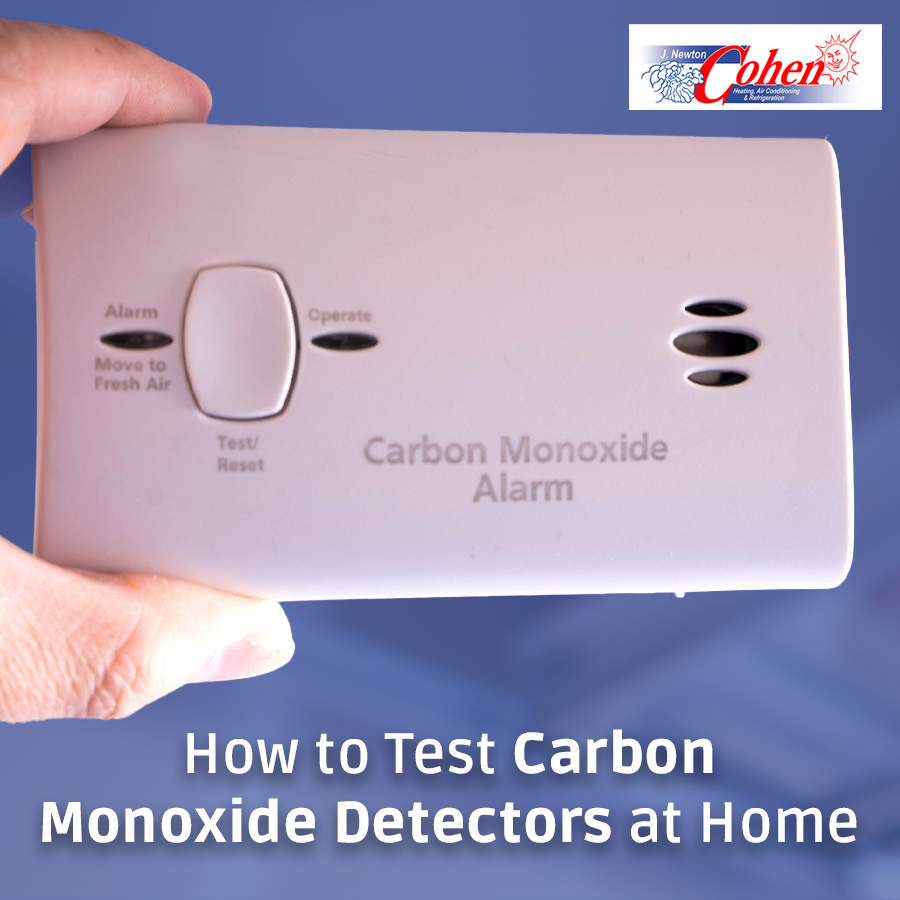
Think of it like a smoke detector, but for CO. It’s a small, unassuming gadget that sits there, quietly doing its job. Until, that is, it senses something. Then, it shouts about it. Loudly. Very loudly. So loud, in fact, that it might even wake your teenagers. (Now that's impressive.)
You can find these little guardians almost anywhere. Your local hardware store, big box retailers, even online. They come in a few flavors. Some plug into an outlet. Others run on batteries. Some are a clever combo deal with a smoke detector – a two-for-one safety dance. Whatever your preference, make sure it says carbon monoxide detector on the box. Don’t accidentally buy a toaster. Important distinction.
Where To Put Your Silent Guardian
Placement is key, friends. You don't put your TV remote in the fridge. So, don't just stick your CO detector anywhere. You'll want one on every level of your home. Especially near sleeping areas. Because CO can strike while you're catching Zs, when your "natural detectors" are definitely clocked out.

Also, consider placing one near any major fuel-burning appliances. Think furnaces, water heaters, fireplaces, or gas stoves. These are the usual suspects for CO production. Don't put it right next to a cooking range or fireplace. A temporary whiff could trigger a false alarm. Nobody likes a drama queen detector.
A Quick Check-Up For Your CO Pal
Like any good friend, your CO detector needs a little attention now and then. Most have a little "test" button. Give it a push! You should hear a loud chirp or beep. This isn't just for fun. It confirms the alarm's sounder is working. It’s like giving it a high-five and saying, "Still got it!"

If it runs on batteries, swap them out regularly. Follow instructions, but twice a year is a good rule. Like when daylight saving changes clocks? A classic move. Or tie it to a holiday. "Happy Thanksgiving, new CO batteries!"
And detectors don’t last forever. They have a lifespan, usually around 5-7 years. After that, sensors become less reliable. Check the manufacture date. If it’s past its prime, time for retirement. Get a new one. Think of it as upgrading your home's peace of mind.
So, there you have it. The secret to testing for carbon monoxide isn't some ancient art or fancy tech trick. It’s a simple, affordable device doing important work. Be smart. Be safe. And leave the sniffing to the dogs. They’re much better at it anyway.