
How To Tell If Carbon Monoxide Is In House

Imagine your home, your cozy sanctuary, quietly guarded by a team of invisible superheroes. No capes, no flashy superpowers, just tiny, diligent sentinels working tirelessly. They’re looking out for an uninvited guest, a sneaky gas that loves to crash parties unnoticed.
This silent lurker is carbon monoxide, often called the "silent killer" because it has no smell, no color, and no taste. But don't fret! Spotting this gas in your house isn't about having a superpower; it's about smart planning and a little help from modern marvels.
Meet Your Tiny Guardians: The CO Detectors
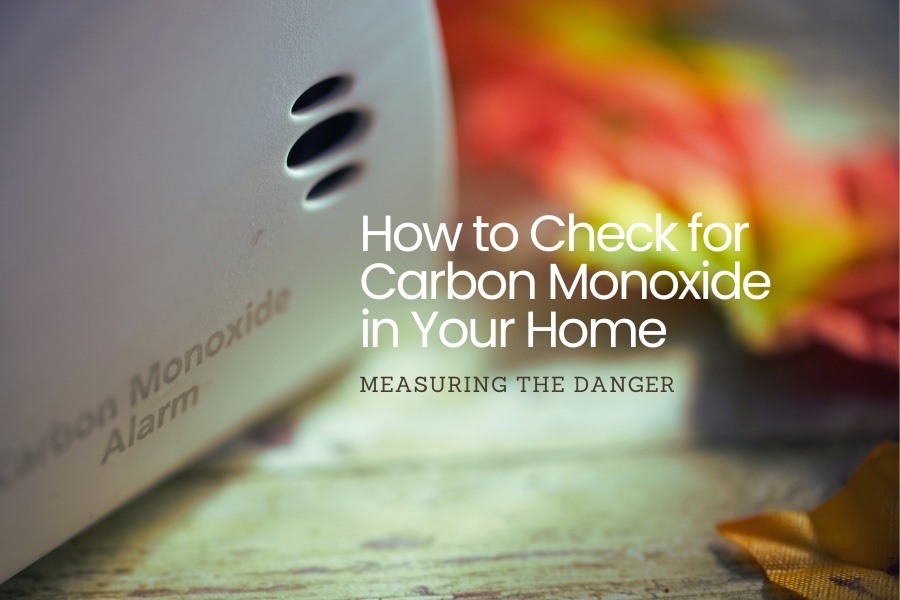
Our first line of defense, and perhaps the most charming, are the little devices perched on your walls and ceilings. These are your carbon monoxide detectors, the unsung heroes of household safety. They're like having a nose that never sleeps, constantly sniffing the air for anything amiss.
Must Read
Think of them as diligent little house elves, quietly ensuring everything is safe while you sleep soundly. They sit there, blending into your decor, until their moment to shine arrives. And when it does, they don't whisper; they give a clear, confident beep.
It’s surprisingly heartwarming to think of these small gadgets as members of the family, isn't it? They're always on duty, asking for nothing but an occasional battery change to keep their spirits up. It's a small price for such immense peace of mind.
The Beep That Means Business (And Safety!)
When a carbon monoxide detector goes off, it's not a drill. It’s an urgent conversation starter, a polite but firm warning that something needs your attention. This distinctive alarm is designed to cut through the quiet of your home, making sure you hear its important message.
It might sound like a regular smoke alarm, but many modern CO detectors have a unique pattern or even a calm voice to distinguish themselves. Listen carefully to these digital guardians; they’re speaking the language of safety.

"That loud, persistent beep isn't just noise; it's your home literally shouting, 'Hey, pay attention! We need to step outside for a bit!'"
Listening to Your Body: Subtle Whispers
Sometimes, before your clever detectors can give their full-throated warning, your body might start sending out its own subtle signals. Carbon monoxide can make you feel a bit "off," like you're coming down with something. This isn't a definite sign, but it's certainly a clue.
Imagine a headache that just won't quit, or a sudden wave of dizziness that seems to appear out of nowhere. You might feel a bit nauseous, tired, or even confused. These are your body's gentle nudges, trying to tell you something isn't quite right in your environment.
It's like your internal alarm system, whispering warnings that are easy to mistake for a common cold or fatigue. The surprising part is how much our bodies try to communicate with us, even before we fully understand the message.
"When your head feels like a balloon and your thoughts are fuzzy, it's a good time to consider if something else is at play, beyond just a 'bad day'."
Pets can sometimes give us a clue too, long before we notice anything ourselves. If your normally playful cat seems unusually sluggish, or your energetic dog is suddenly lethargic, it could be a subtle sign. They are often more sensitive to changes in the air than humans.
Their sudden shift in behavior isn't just quirky; it's potentially an early warning system. Watching our furry friends and their peculiar habits can sometimes be heartwarming, but in these situations, it's about their surprising sensitivity helping us out.
The Power of the Penny-Pinching Chirp
Ah, the dreaded, yet ultimately helpful, low-battery chirp! It often happens in the dead of night, waking you from a blissful sleep. But don't curse it; embrace it! This little chirping sound is actually a friendly reminder, a tiny beacon of attention.
It’s your detector saying, "Hey, friend! Just checking in. I need a little juice to keep doing my vital job." This periodic chirp is actually a rather ingenious way to ensure these guardians stay powered and ready for action.
Think of it as your house's annual budget meeting, where the detectors collectively announce their need for new energy. It can be humorous to imagine a chorus of chirps, each detector vying for your attention, like children asking for a snack.

"That annoying chirp is actually a comforting sound in disguise; it means your guardian is still alive and kicking, just needs a small refreshment!"
The Rainbow on the Detector (Not Literally!)
Some clever carbon monoxide detectors come with digital displays or indicator lights. These aren't just for show; they offer a visual peek into your home's air quality. A green light usually means everything's clear, a calming signal that all is well.
A yellow or amber light might be a gentle heads-up, a softer warning that something is detected but not yet at critical levels. This visual reassurance can be surprisingly effective, adding another layer of quiet vigilance to your home. It’s like a little traffic light for safety.
These evolving features show how much care and thought go into keeping us safe. The goal is to make these warnings as clear and understandable as possible, turning potential fear into informed action.
Looking Around: Your House's Little Clues
Sometimes, your actual home might offer small, subtle hints that something isn't quite right. Keep an eye out for appliances that aren't quite themselves. For instance, if your gas stove flames are yellow or orange instead of crisp blue, that's a clue.
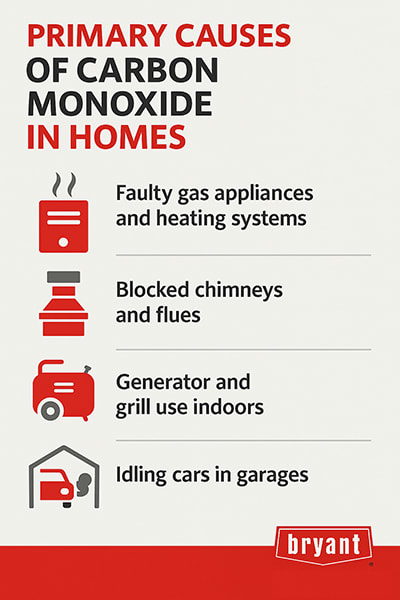
Another interesting sign could be strange staining or soot marks near an appliance, like a water heater or a furnace. This isn't just dirt; it's a physical symptom of an appliance that isn't burning fuel efficiently. It's like your house leaving you a little note.
It’s a surprisingly tactile way your home communicates, leaving visual breadcrumbs for the observant homeowner. These tiny physical details can be a prompt to call in a professional, ensuring your entire system is running smoothly and safely.
The Warmth of Preparedness
Ultimately, knowing how to tell if carbon monoxide is in your house isn't about fear; it's about empowerment. It's about taking simple, proactive steps to turn your home into an even safer, more joyful space for everyone who lives there.
The heartwarming part? It's the secure feeling you get when you tuck your loved ones into bed, knowing your silent guardians are on watch. It’s the shared responsibility of a neighborhood, where everyone ensures their home is a haven.
Embrace these funny chirps, these diligent little boxes, and your own body's amazing wisdom. They all contribute to a surprising new perspective on safety: it's not a chore, but an act of love, making your home truly the happiest place on Earth.