How To Tell If A Neighborhood Is Safe

There's a universal comfort in knowing you're in a good spot. Whether you're house hunting, planning a vacation, or just exploring a new corner of your city, that little internal compass that helps you gauge a neighborhood's vibe is always spinning. It's not about being paranoid; it's about being aware. And let's be honest, who doesn't secretly enjoy a bit of urban detective work, piecing together clues to figure out if a place is more "quaint and charming" or "quaintly alarming"? It’s a skill we all subtly hone, a silent superpower that helps us navigate the world with a little more peace of mind.
The benefits of this quiet assessment are immense. Knowing a neighborhood is safe isn't just about avoiding trouble; it’s about unlocking a host of everyday joys. It means you can let your kids play outside without constant worry, enjoy a leisurely evening stroll, or simply leave your car parked without an anxious glance back. It contributes directly to your quality of life, allowing you to relax, foster community connections, and truly feel at home. This isn't just a luxury; it's a fundamental part of feeling secure and rooted in your environment, enhancing everything from your sleep to your social life.
This subtle art of neighborhood assessment pops up everywhere. You might do it subconsciously when scouting a new apartment, trying to decide if the corner café is somewhere you'd feel comfortable walking to after dark. Parents certainly do it when choosing schools or parks for their children, prioritizing areas where a sense of community thrives. Travelers use it when booking Airbnbs, poring over reviews not just for amenities but for mentions of "safe streets" or "friendly locals." Even just meeting friends in an unfamiliar part of town can trigger this internal safety radar – is this somewhere I'd be happy to hang out?
Must Read
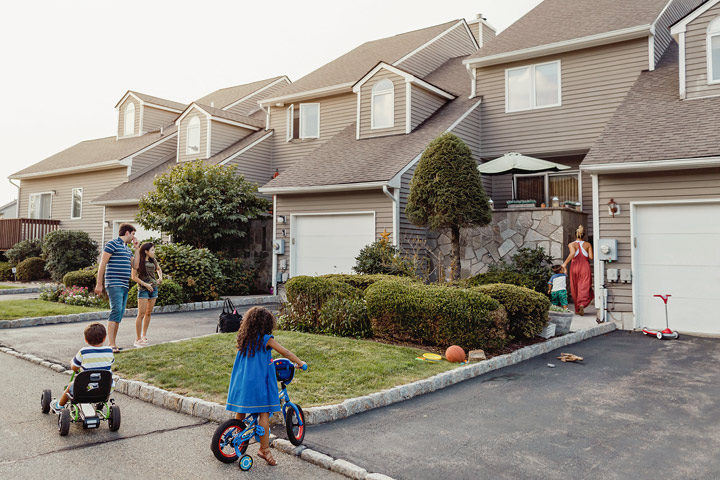
So, how can you become a more effective "neighborhood whisperer"? Let's dive into some practical, fun tips. First, perform a "Vibe Check". Walk, don't just drive, through the area during both daytime and evening hours. Observe the small things: Are the streets clean, or are there overflowing bins and litter? Are houses well-maintained, or do you spot neglected lawns and broken windows? Are there people out walking dogs, jogging, or chatting on porches? A vibrant, active street scene often indicates engaged residents who keep an eye on things.
Next, try the "Car Test". Take a look at the parked cars. Are they generally well-kept, or do you see a lot of vehicles with visible damage, flat tires, or valuables left in plain sight? This can sometimes be a subtle indicator of how residents feel about leaving their property unattended. The "Dog Walker Index" is another gem; a high number of dog walkers usually means people feel comfortable being out and about, and more eyes on the street equals more safety.
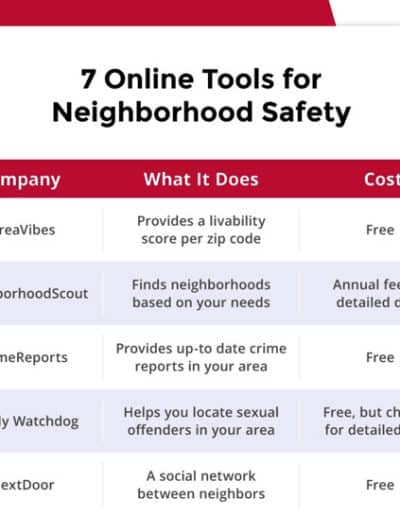
Don't be afraid to strike up a conversation. Chat with a barista, a local shopkeeper, or someone waiting at a bus stop. Ask them what they like about the neighborhood, or if there's anything they'd warn against. Locals are an invaluable source of candid, on-the-ground information. And while online crime maps can be useful, take them with a pinch of salt; they often show reported crime, which isn't always the full picture. Finally, and perhaps most importantly, trust your gut feeling. If a place just feels "off" to you, listen to that intuition. It's often your subconscious mind picking up on cues you haven't even registered yet. Happy sleuthing!