How To Tell If A Leach Field Is Failing

Ever found yourself pondering the hidden wonders beneath your feet? No, we're not talking about ancient civilizations or buried treasure today, but something equally crucial to many homes: the mysterious world of the septic system's leach field. It might not sound like the most thrilling dinner conversation, but understanding a little about this unsung hero of home infrastructure can turn you into a savvy homeowner detective, ready to spot clues and potentially save yourself from a stinky (and expensive!) predicament.
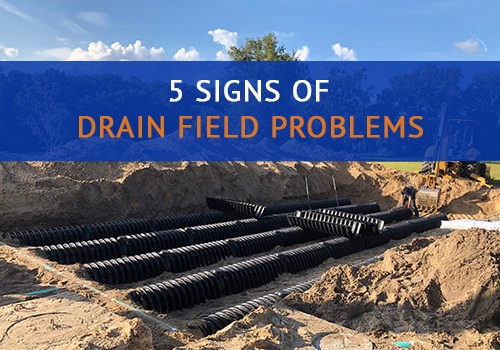
So, what exactly is a leach field, and why should you care? Think of it as the grand finale of your home's wastewater treatment plant, specifically designed for houses not connected to a municipal sewer system. After wastewater leaves your septic tank, where solids settle, the remaining liquid (effluent) flows into the leach field – a network of perforated pipes buried in gravel trenches. Here, the magic happens: the soil acts as a natural filter, purifying the water before it re-enters the groundwater system. The purpose is vital: to safely dispose of wastewater, prevent environmental contamination, and keep your home sanitary. The benefits are clear: a healthy environment, a functional home, and avoiding costly repairs down the line.
Now for the intriguing part: how do you tell if this crucial system is starting to wave a white flag? Becoming aware of the signs of a failing leach field is like learning to read the subtle clues your house gives you.
Must Read
- The Nose Knows: One of the most common and undeniable signs is a foul odor. If you detect persistent sewage smells in your yard, especially near the leach field, it's a big red flag. Your nose is your first and often best tool for early detection.
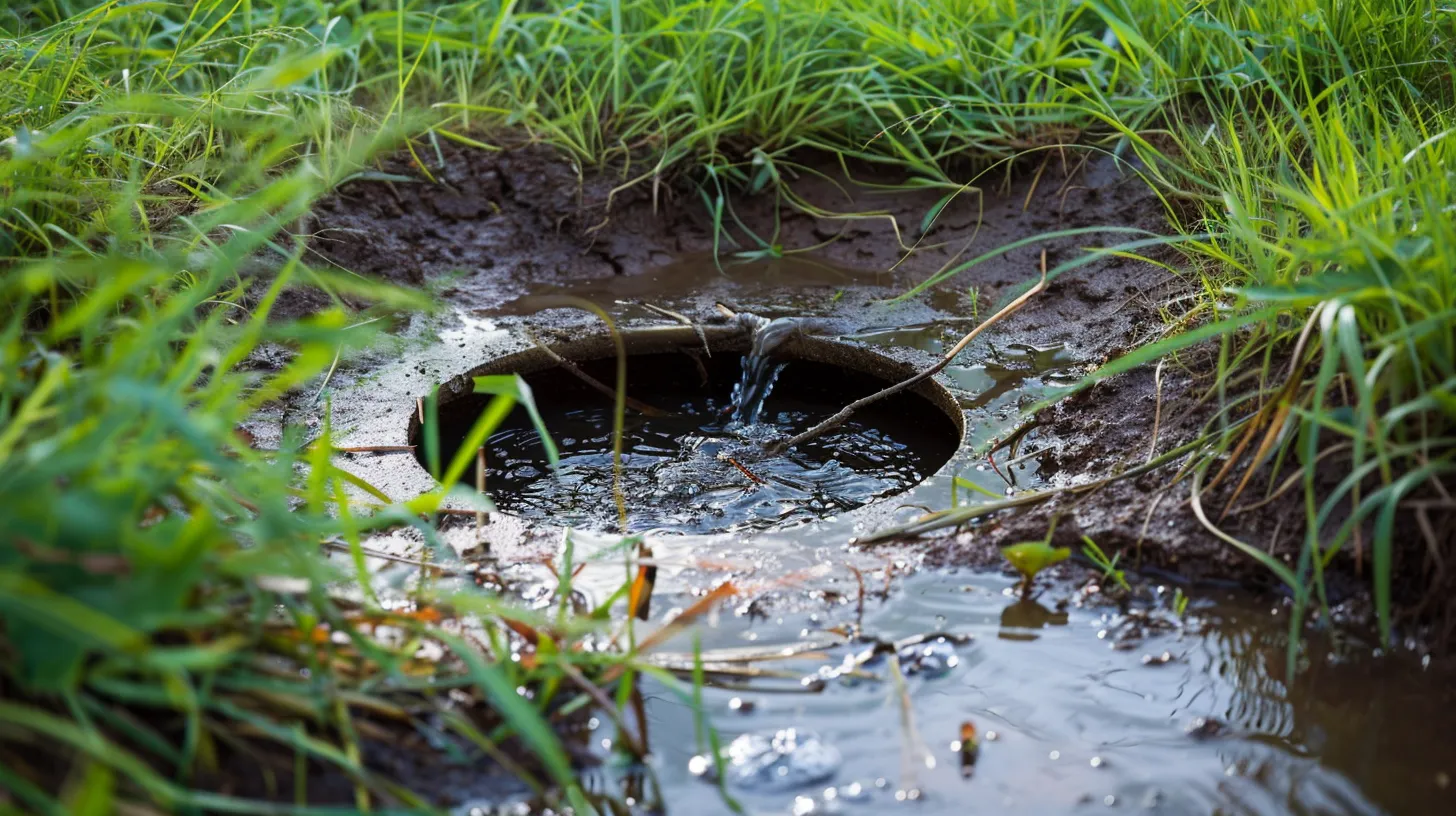
- Soggy Surprise: Notice unusually wet, spongy ground, or even standing puddles in your yard, particularly over the leach field, even when it hasn't rained? This pooling water indicates that the soil can no longer properly absorb the effluent, causing it to surface.
- Super-Sized Grass: Ironically, sometimes too much of a good thing is bad. If you spot patches of grass that are exceptionally lush, green, and growing faster than the surrounding lawn over your leach field, it might mean wastewater (rich in nutrients) is reaching the surface.
- Indoor Distress Signals: Don't ignore what's happening inside your home. Slow drains, gurgling toilets, or sewage backing up into your sinks, tubs, or toilets are critical signs. These usually mean the leach field is completely saturated and can no longer accept any more liquid.
- Well Water Woes: While more advanced, if you have a private well nearby, a failing leach field could potentially contaminate your drinking water. Regular well water testing might show elevated nitrate or bacteria levels.
So, what can you do with this newfound knowledge? First, make it a habit to walk over your leach field periodically, especially after heavy use or rain, just to observe. Trust your senses! If you smell something off or see suspicious wet spots, investigate. Know where your septic system components are and avoid driving or placing heavy objects over the leach field. And crucially, don't just wait for problems; schedule regular septic tank pumping (typically every 3-5 years) to prevent excessive solids from entering and clogging your leach field in the first place. Being proactive and curious about the unseen parts of your home is not just smart; it's being a responsible steward of your property and the environment.