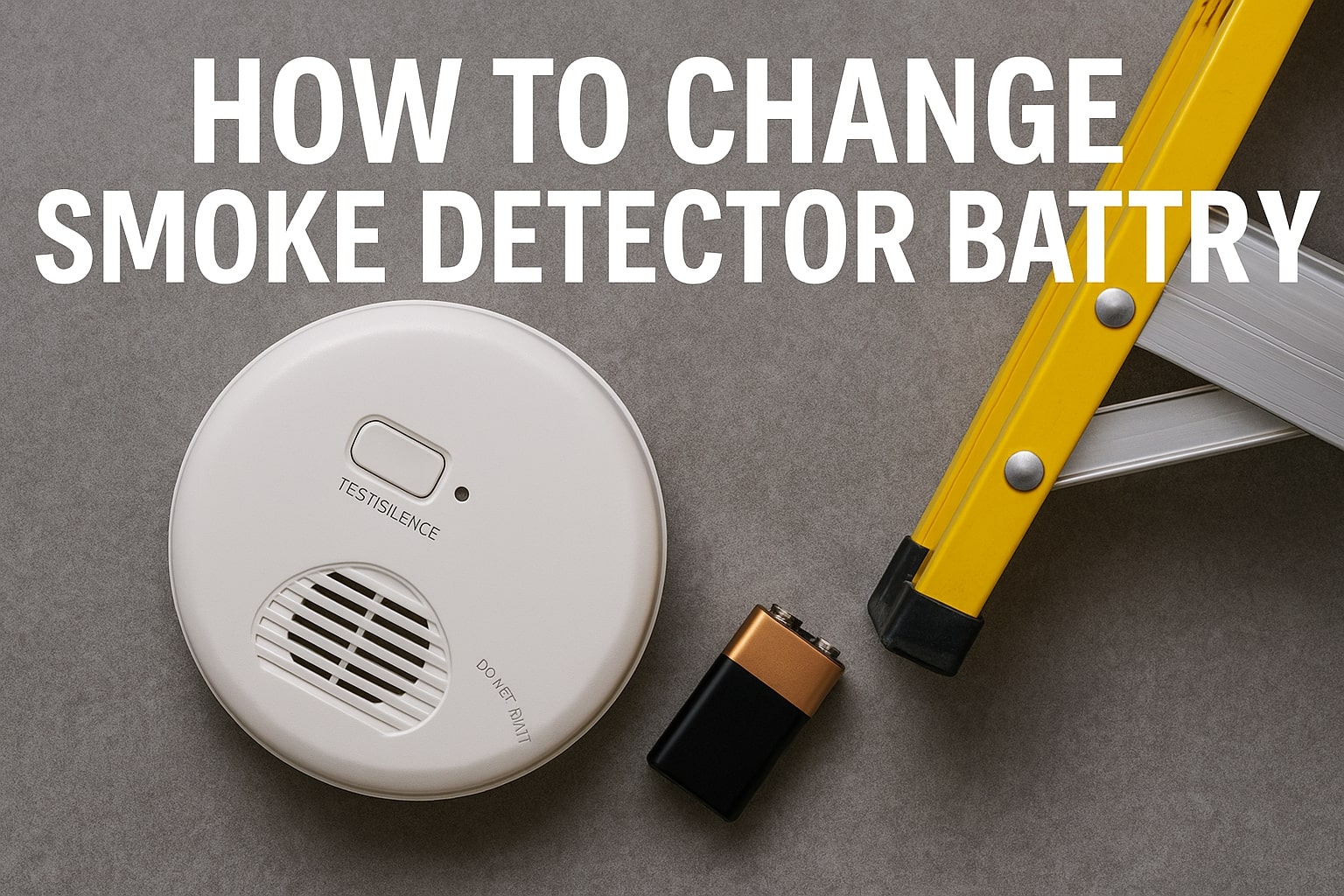
How To Take A Battery Out Of A Smoke Detector

Ah, the sweet symphony of suburban life… interrupted by a single, insistent, soul-crushing CHIRP. You know the one. It’s not the fire alarm wail, oh no. That would be too straightforward, a clear and present danger. This is the subtle, passive-aggressive notification from your smoke detector that its internal energy source is staging a quiet rebellion. And it always happens at 3:17 AM on a Tuesday, just when you've finally drifted off after a long, arduous day.
You lie there, eyes wide open, playing "Where's That Sound Coming From?" It’s like a macabre game of Marco Polo, but instead of water, you're submerged in existential dread. Is it the kitchen? The hallway? The upstairs landing? It echoes, it bounces, it feels like it’s coming from everywhere and nowhere at once, a sonic ghost haunting your slumber. This, my friends, is the universe’s gentle reminder that you’re about to embark on an unexpected, gravity-defying adventure, whether you like it or not.
The Great Battery Extraction Mission Begins
First things first, you need a weapon. Or rather, a tool. Or, more accurately, something tall to stand on that hopefully won't send you careening into a houseplant. This is where the comedy truly begins. You might eye that antique dining chair with suspicion, wondering if its spindly legs are sturdy enough for your heroic ascent. Or perhaps it’s the wobbly step stool you usually reserve for reaching the top shelf of the pantry, now pressed into service as a makeshift Everest base camp. Safety first, folks, but desperation often wins when sleep is on the line.
Must Read
Remember that scene in every action movie where the hero has to disarm a bomb, sweat dripping, timer ticking? This is kind of like that, but instead of global annihilation, the stakes are your sanity and the sleep of anyone else within a 50-foot radius. The "bomb" is a small, plastic disc on your ceiling, and the "timer" is that relentless, maddening chirp, chirp, chirp, a sound designed to slowly erode your will to live. You feel the pressure, even if it's self-imposed.
Locating the Culprit (and the Release Tabs)
Once you’ve wobbled your way to eye-level with the offending device, take a moment. Admire its unassuming design. It’s just… there. For years, it has silently protected your home, a watchful guardian of your slumber. And now? It's a tiny, noisy tyrant demanding attention. Most smoke detectors have a couple of small tabs or a twist-and-lock mechanism. This is where patience becomes your superpower, closely followed by a healthy dose of exasperation.
Look for arrows or a little diagram – usually etched in a microscopic font that requires a magnifying glass and the vision of a hawk. Sometimes it's a gentle twist counter-clockwise, like opening a particularly stubborn jar of pickles. Other times, it's a firm squeeze of two opposing tabs, which often feel like they're designed to not be squeezed by human hands, especially at 3:17 AM. You'll likely apply too much force, then too little, then just the right amount, wondering if you've broken it entirely, or if you're just not strong enough to defeat this plastic nemesis.
The Grand Reveal: Battery Time
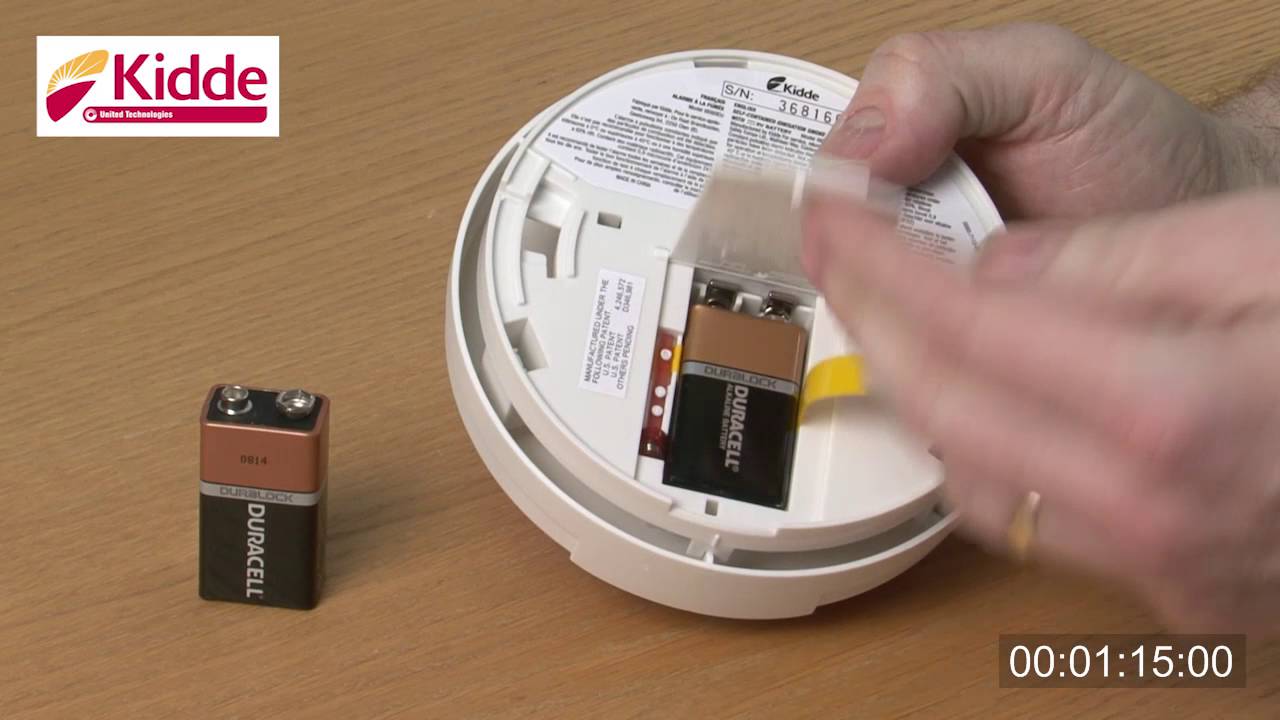
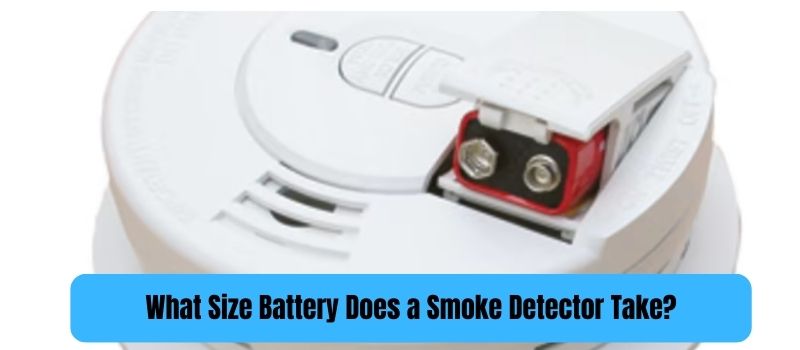
Click! Pop! The cover is off! A minor victory, right? You might even let out a small, triumphant gasp. Now you're staring into the guts of the beast, a tangled mess of wires and plastic. Typically, you'll find a rectangular 9-volt battery nestled snugly within, often connected by a pair of flimsy little wires. It’s often held in place by a couple of spring-loaded clips or a small connector, sometimes looking more like a tiny octopus tentacle gripping its prey.
This is where your inner surgeon comes out. Gently, but firmly, disconnect the battery from its terminals. It might be stiff, like an old friend who doesn't want to leave the party, or perhaps a stubborn toddler refusing to let go of their toy. Wiggle it, cajole it, maybe even utter a few encouraging (or not-so-encouraging) words under your breath. The satisfying click or snap as it comes free is pure bliss. It's the sound of silence, a sudden, profound calm descending upon your household, a truly angelic choir of nothingness.
The Aftermath and the Lingering Question
You’ve done it. You’ve silenced the beast. Descend from your wobbly perch, triumphant, a silent hero in your own home. Hold the dead battery in your hand like a trophy, or perhaps a captured villain, now powerless. But then the guilt sets in, just a tiny prickle. You should replace it. You know you should. It's important for safety, for peace of mind, for not having to repeat this ordeal in a month. But at 3:25 AM, the thought of finding a fresh 9-volt battery feels like an epic quest for the Holy Grail, involving multiple stores and a time machine.
So, you place the battery on the kitchen counter, a silent promise to yourself that you'll deal with it "first thing in the morning." Which, of course, might mean next week. Or when it starts chirping again. But for now, revel in the quiet. Enjoy the sweet, sweet sound of nothing, a symphony more beautiful than any orchestra. You’ve battled the chirp, you’ve conquered the ceiling-dweller, and you’ve earned every last second of that glorious, uninterrupted sleep. Until next time, brave hero. Until the next inconvenient 3:17 AM.