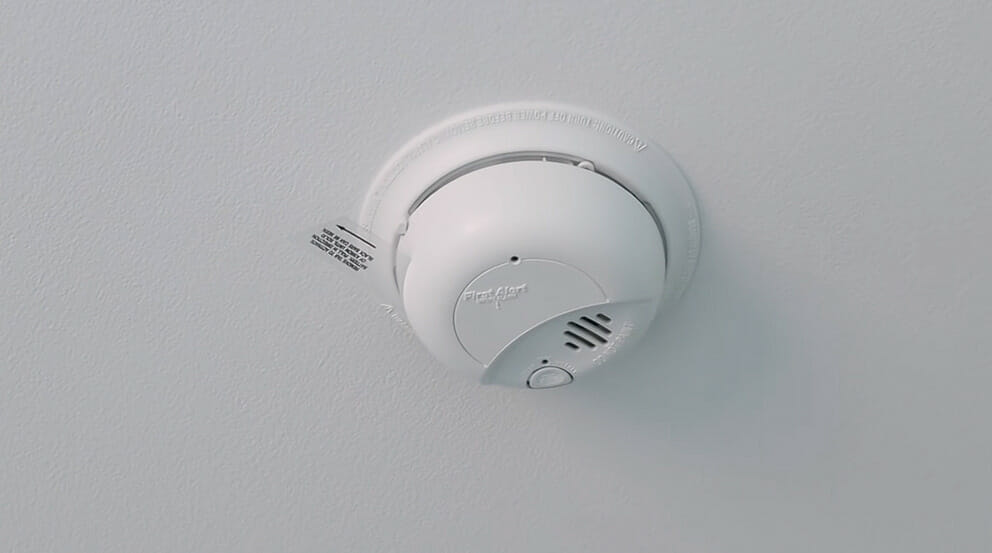
How To Stop Hard Wired Smoke Alarm From Chirping
Ever found yourself jolted awake at 3 AM by that relentless, high-pitched chirp, chirp, chirp? No, not a cricket, but your trusty smoke alarm, acting like a tiny, insistent sentinel of annoyance. It’s an almost universal experience, isn't it? That persistent little sound can turn even the calmest among us into frustrated detectives, pacing the halls trying to pinpoint the culprit. But what if I told you that understanding this common household mystery isn't just about restoring your peace and quiet, but also a surprisingly fun dive into basic home mechanics? It’s a bit like learning the secret language of your house, giving you the power to silence the siren of the night with confidence and a little know-how.
At its heart, that chirping isn't just designed to drive you mad; it’s a crucial signal. Most often, for a hardwired smoke alarm, a chirp indicates that its backup battery is running low. Even though it's connected to your home's electrical system, nearly all hardwired units have a battery to keep them operational during a power outage. A chirp says, 'Hey, I’m still on duty, but my backup power is fading!' Sometimes, it can also signify the unit is dusty, has a power anomaly, or, less commonly, has reached its end of life. The benefit of understanding this little symphony of beeps is enormous. You gain instant relief from the auditory assault, ensure your home remains protected even when the power goes out, and avoid the cost and hassle of calling an electrician for what's often a simple fix. Plus, you get that deep satisfaction of solving a minor domestic crisis all by yourself!
In our daily lives, knowing how to tackle a chirping smoke alarm is a truly empowering skill. Imagine a friend’s housewarming party, and suddenly – chirp! You, the astute observer, can confidently diagnose the issue and offer a quick solution, turning a potential party-stopper into a mere blip. It’s a fantastic demonstration of practical problem-solving. For families, it’s a wonderful educational moment. You can involve kids in the process, explaining the importance of smoke alarms, how batteries work, and the concept of basic home safety. It teaches them about responsibility, how household systems function, and perhaps even sparks an early interest in how things are built and repaired. It’s far more than just silencing a nuisance; it’s about fostering a sense of capability and safety within your home environment.
Must Read
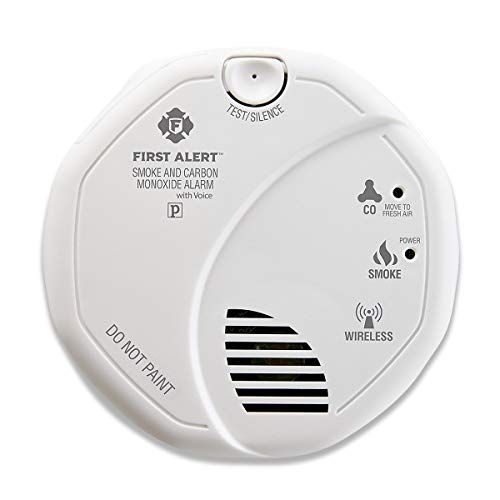
Ready to become a smoke alarm whisperer? Here are some simple steps. First and foremost, safety is key: always start by turning off the power to the alarm at your electrical breaker box. Don't worry, they're usually labeled! Next, gently twist the alarm counter-clockwise to remove it from its base. Locate the battery compartment – it often slides open or has a small latch. Most hardwired alarms use a 9-volt battery. Replace it with a fresh one, ensuring it's correctly oriented. While it's off the ceiling, give it a quick clean with a soft cloth or a vacuum brush attachment to remove any dust or cobwebs that might be causing false alerts. Reattach the alarm, turn the power back on at the breaker, and perform a test by holding down the test button for a few seconds. If the chirping persists, try a 'hard reset' by holding the test button for 15-20 seconds after replacing the battery. Remember, smoke alarms have an expiry date, usually stamped on the back – typically 7-10 years. If yours is past due, it's time for a new unit. With these simple tips, you’re well-equipped to restore peace and quiet, and keep your home safe!