How To Stop Beeping Carbon Monoxide Alarm

Ever been jolted awake by that infernal, high-pitched BEEP-BEEP-BEEP from a mystery location in your home? If your first thought wasn't "fire!" but rather that specific, insistent wail that screams "carbon monoxide alarm!", then you're not alone. While certainly not a 'fun' sound, understanding how to stop that beeping is incredibly useful and brings a surprising amount of peace of mind. It's like solving a mini-mystery in your own home, only with much higher stakes if you don't know what you're doing!
This topic might not seem like a hobby, but it's a vital piece of homeownership and household safety, making it perfect for several audiences. For beginners, perhaps those just moving into their first apartment or house, knowing the difference between a low-battery chirp and an actual alarm can prevent unnecessary panic – or worse, ignoring a real threat. For families, it's about protecting your loved ones; a quick, informed response can be the difference-maker. And for the home preparedness enthusiast, mastering this small but critical skill means you're always ready, turning a potential crisis into a manageable situation. It’s about being empowered and prepared, rather than scared and confused.
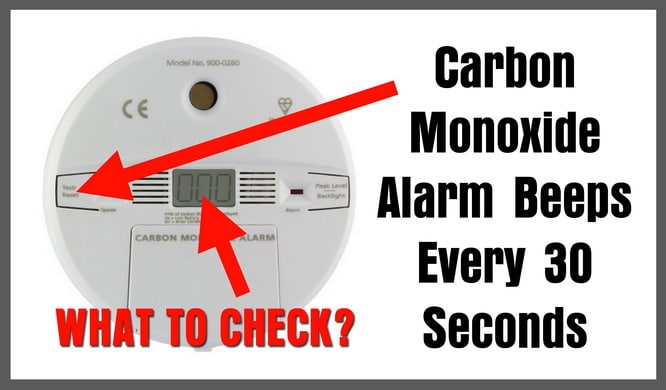
There are a few variations of the dreaded beep. Sometimes it's a consistent, urgent series of four beeps every five seconds – this is often the sign of actual carbon monoxide detection. Other times, it's a single chirp every 30 to 60 seconds, which usually indicates a low battery. Some modern alarms even have digital displays that will show a "CO" reading or an error code. You might have a standalone battery-powered unit, a wired-in alarm, or even a combo smoke/CO detector. Each type will have slightly different reset procedures, but the core principle remains: don't ignore it!
Must Read
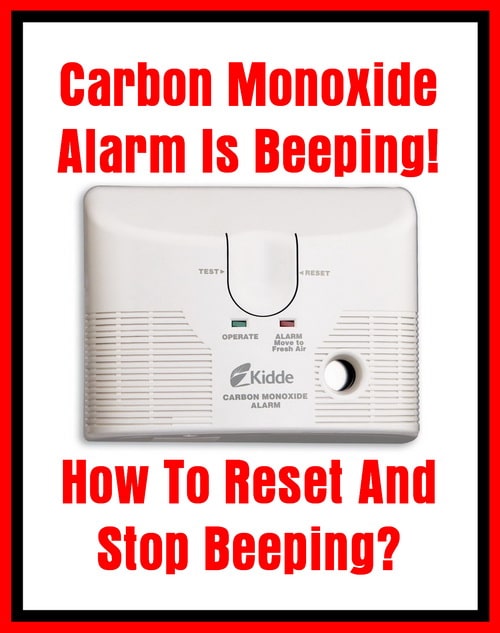
So, how do you get started on being a carbon monoxide alarm guru? First, if it's the urgent 4-beep alarm, prioritize safety. Get everyone out of the house into fresh air immediately and call 911 or your local emergency number. If it’s just a low-battery chirp, the solution is simpler: find the alarm, press the "test/reset" button to silence it temporarily, and then replace the batteries. Make sure to use the correct battery type (usually AA or 9V). For wired alarms with a backup battery, you'll still need to replace that battery. After replacement, press the test button again to ensure it's working. Many alarms also have an "end of life" indicator, usually a chirp every 30 seconds accompanied by a specific light flash, meaning it's time to replace the entire unit – typically every 5-7 years. Always check your alarm's manual for specific instructions.
Ultimately, becoming familiar with your carbon monoxide alarms isn't just about stopping an annoying beep; it's about safeguarding your home and family. The small effort of learning these steps brings immense value and comfort, knowing you're ready to handle a potentially dangerous situation with confidence. That's a great feeling to have!