How To Stop A Beeping Smoke Detector
Ah, the sweet symphony of silence. Or, more accurately, the glorious cessation of noise. Few sounds in the modern home are as universally capable of grating on the nerves, inciting panic, or simply driving one slowly but surely mad, as the insistent, high-pitched chirp of a smoke detector. It’s a sound that can pierce through walls, invade your dreams, and make you question your life choices at 3 AM. And yet, there's a profound, almost spiritual satisfaction in the act of silencing it, a feeling akin to slaying a particularly annoying dragon that lives in your ceiling. This isn't just about maintenance; it's about reclaiming your peace, your sanity, your very soul.
The humble smoke detector, despite its occasional tyranny, is one of our home's most vital guardians. Its primary purpose is to save lives, alerting us to smoke or fire long before we detect it ourselves. This early warning can be the critical difference between a minor incident and a major catastrophe, providing precious minutes for escape. So, while its shrill cries may make you want to hurl it out the window, remember its noble mission. It’s working tirelessly to keep you safe, even if its "low battery" warning sounds like the world is ending.
We've all been there: the kitchen fills with a puff of smoke from an ambitious culinary experiment (burnt toast, anyone?), and suddenly the alarm blares like an high-decibel air raid siren. Or perhaps it’s the stealthier, more insidious single chirp every 30-60 seconds, which somehow manages to be even more maddening because you can't quite pinpoint its origin. Steam from a hot shower, dust accumulation, or even certain chemicals can also trigger these vigilant guardians. The challenge isn't just about stopping the noise; it's about understanding why it's happening. Is it a genuine emergency, or just a cry for a new battery?
Must Read
So, how do you become the hero of your own silent movie? First, identify the sound. Is it a continuous, loud alarm (indicating smoke) or a short, intermittent chirp (often a low battery)? For a full alarm, immediately investigate the cause. If it's a false alarm (e.g., burnt toast), vigorously wave a towel beneath it, open windows, and press the "silence" button. If it's the dreaded chirp, you're likely dealing with a low battery.

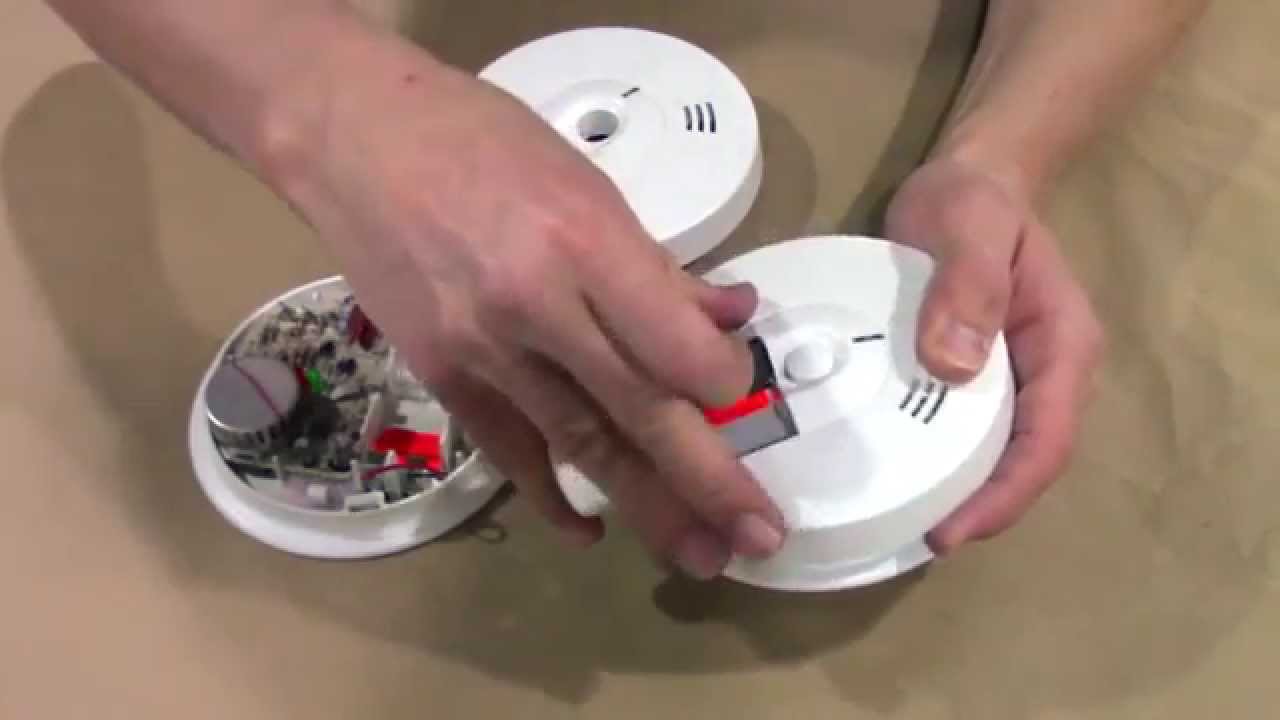
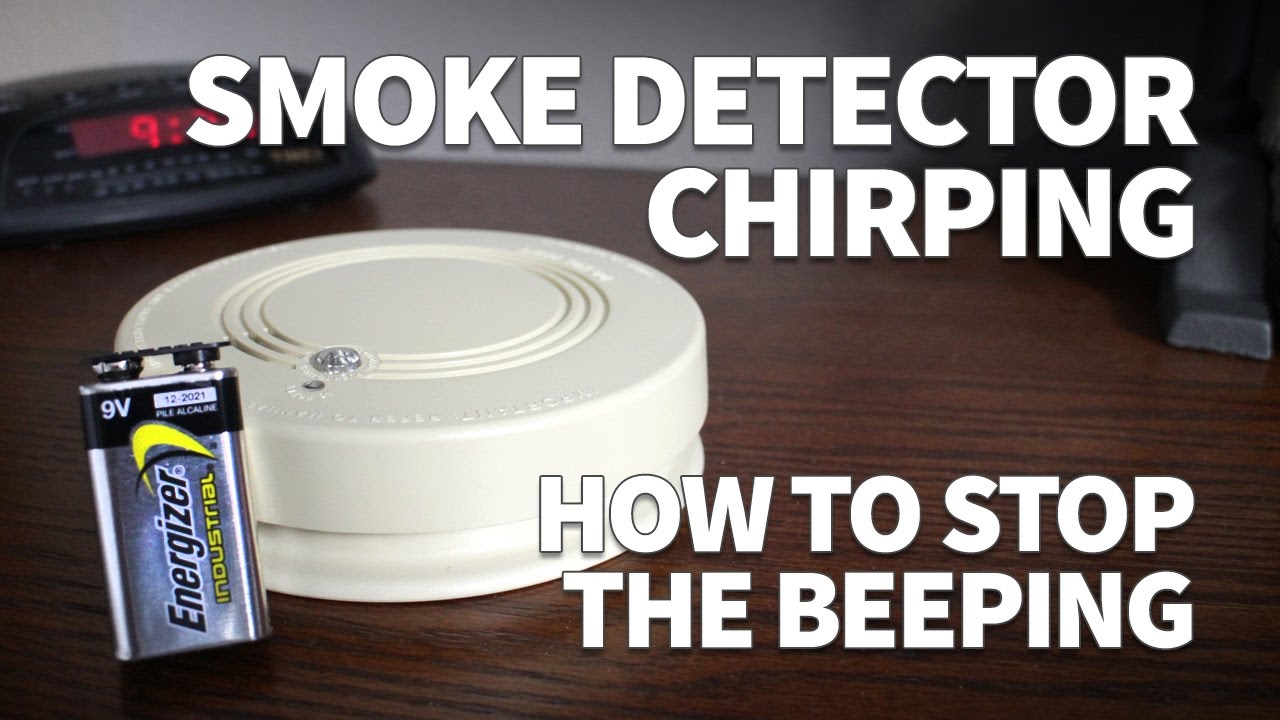
Next, locate the culprit. Get a ladder or sturdy chair. Most detectors have a twist-off base or latch. For battery-powered units, simply pop out the old battery (usually a 9V, some use AA or AAA) and replace it with a fresh one, ensuring it's seated correctly. For hardwired units, they usually have a backup battery that also needs replacing. If replacing the battery doesn't work, and there's no smoke, the unit might be dusty. Try cleaning it gently with a vacuum hose attachment or compressed air. Sometimes, stubborn units just need a reset: remove the battery, press and hold the test button for 15-20 seconds to discharge residual power, then reinstall. If all else fails, and the unit continues to chirp or malfunction after a thorough cleaning and battery change, it might be time for a replacement. Smoke detectors generally have a lifespan of 7-10 years.
The ultimate satisfaction comes not just from stopping the current noise, but from preventing the next. Make it a habit to test your smoke detectors monthly and, crucially, change their batteries twice a year. A common trick: replace them when you adjust your clocks for Daylight Saving Time – "spring forward, change batteries; fall back, change batteries." This small act of routine maintenance transforms you from a victim of the beeping beast into its enlightened master, ensuring your home is both safe and blessedly quiet. Embrace the silence; you’ve earned it.