
How To Set Older Honeywell Thermostat

Ah, the classic Honeywell thermostat. You know the one. It’s probably beige, maybe a little off-white, and it has that satisfyingly sturdy feel. This isn't one of those fancy smart thermostats that talks to your phone or learns your habits. Oh no. This is the OG, the granddaddy of climate control, the trusty old Labrador of your home's heating and cooling system. It just works, usually without needing a degree in aerospace engineering.
Think of it less like a smartphone and more like a really reliable flip phone. It does one job, and it does it exceptionally well. No apps, no Wi-Fi, no existential dread about whether it’s spying on your optimal comfort settings. Just pure, unadulterated temperature management. And setting it? It’s probably easier than making a cup of coffee, once you get the hang of its delightful simplicity.
Setting Your Temperature: The Analog Magic
The main event, the star of the show, is usually that wonderful, chunky lever or slider on the front. This is your temperature dial, your climate conductor's baton. Want it warmer? You slide it up. Colder? You slide it down. It’s as intuitive as turning up the volume on your old radio. You might even hear a little click when you move it, a subtle declaration that changes are afoot.
Must Read
There's no digital display showing you the exact decimal point of your desired temperature. Instead, you've got a range, usually marked in degrees. You pick a spot, usually somewhere in the "sweater weather" zone for winter or the "ice cream won't melt instantly" zone for summer, and you commit. It’s a bit like eyeballing ingredients when you’re a seasoned cook – you just know what feels right. And often, that spot is somewhere around 68°F (20°C) in winter and 75°F (24°C) in summer, the Goldilocks zone for many.
The Modes: Your House's Personality Switch
Below the temperature slider, you’ll typically find another, smaller switch with a few different settings. This is where your house decides if it's going to be a cozy cave or a refreshing oasis. Let's break down these vital personality traits:
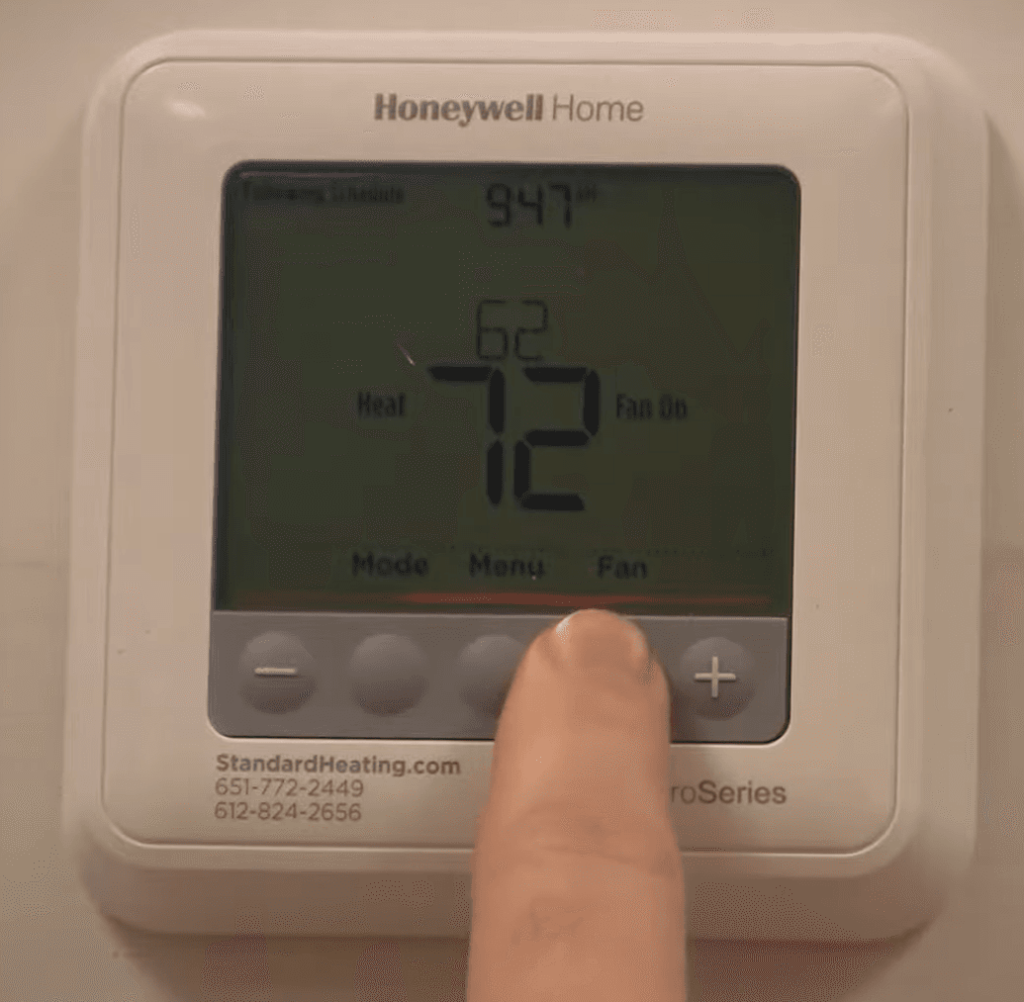
HEAT: Embracing the Warmth
When the leaves start falling and you're contemplating whether it's too early for holiday decorations, you'll want to flip that switch to HEAT. This tells your furnace, "Alright, old friend, time to get to work!" It's for those chilly mornings when you just want to feel like you're wrapped in a warm blanket, or when your cat starts giving you judgmental looks for the draft. Make sure it's set here when you need that furnace to kick in and save you from perpetually cold feet.
COOL: The Summer Savior
On the flip side, when the sun is blazing and you're pretty sure you could fry an egg on the sidewalk, you switch to COOL. This signals your air conditioner to blast out that glorious, dehumidified air. It's the setting that transforms your home from a steamy jungle into a perfectly tolerable, human-friendly environment. Think of it as your personal arctic refuge, right in your living room. You’ll be thanking this setting when your neighbor's dog is panting just walking past your house.
OFF: The Pause Button
Then there's OFF. This is your house's zen mode. No heating, no cooling, just pure, unadulterated ambient temperature. You might use this when you're going on vacation, when the weather is absolutely perfect outside (a rare and beautiful thing!), or when you’re just trying to save a few bucks and don’t mind a little bit of temperate adventure. It’s the ultimate "hands off" approach, like pressing pause on the world.

The Fan Switch: White Noise or Fresh Air?
Often, there's a third switch, or sometimes integrated with the main mode switch, for the fan: AUTO or ON. This controls whether your fan runs continuously or only when your heating or cooling system is actively working.
AUTO is the default, smart choice. The fan only kicks in when the furnace or AC is running, saving energy and noise. It’s like cruise control for your fan. For most people, most of the time, this is where you want it. It's the "set it and forget it" option.
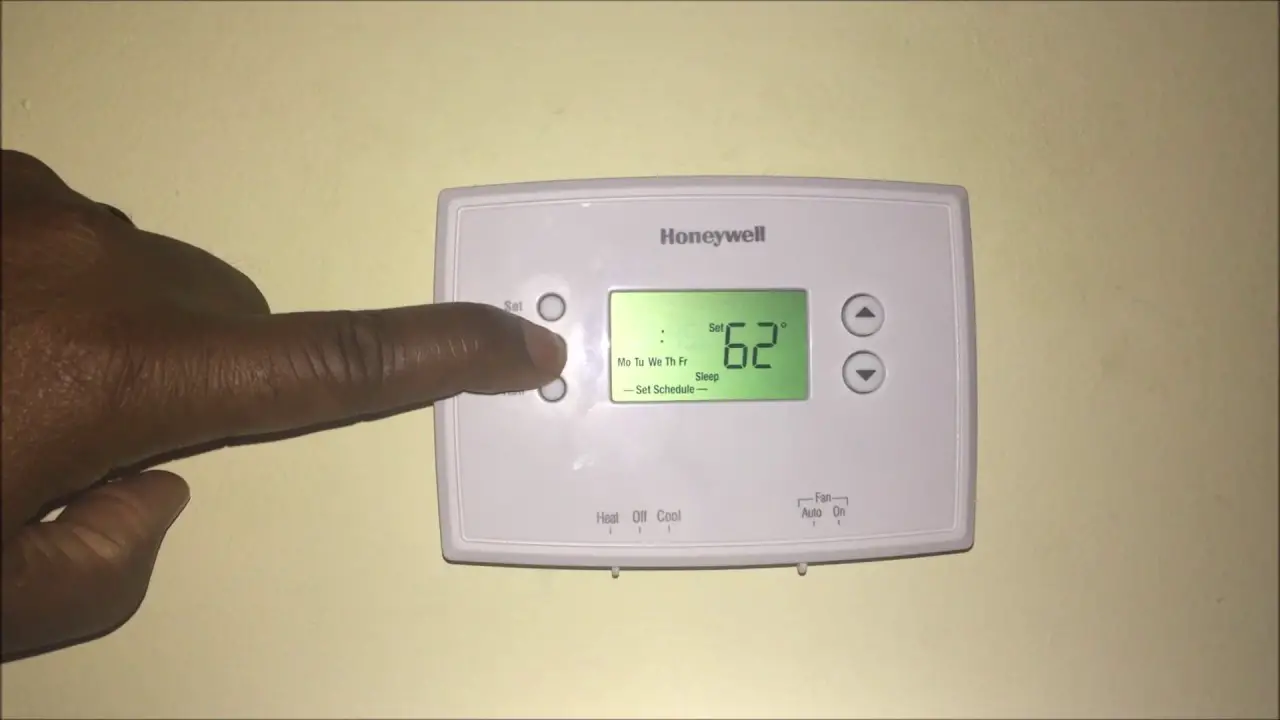
ON, however, means the fan runs constantly, circulating air even when your system isn't actively heating or cooling. Some people love this for the constant airflow, the white noise it provides, or to help even out temperatures in different rooms. It's like having a little personal wind machine going all the time. Great for when you're cooking something smelly and want to move that air around!
The Waiting Game: Patience, My Friend
Once you’ve made your selections, resist the urge to immediately check if it's working. These older thermostats have a certain dignity about them. They aren't instantaneous. There’s a slight delay, a moment of contemplation, before the furnace roars to life or the AC hums into action. It's not broken; it's just processing. Give it a good minute or two, like waiting for your coffee to brew or your toast to pop. Then, and only then, if nothing happens, you might give the thermostat a gentle, encouraging tap. It's the universal sign of "please work," and sometimes, just sometimes, it feels like it helps.
So there you have it. Your trusty, uncomplicated, older Honeywell thermostat. It might not be sleek or smart, but it's reliable, easy to understand, and gets the job done without any fuss. It's a charming relic in our increasingly digital world, proving that sometimes, simple really is best. And that, my friends, is something worth smiling and nodding about.
