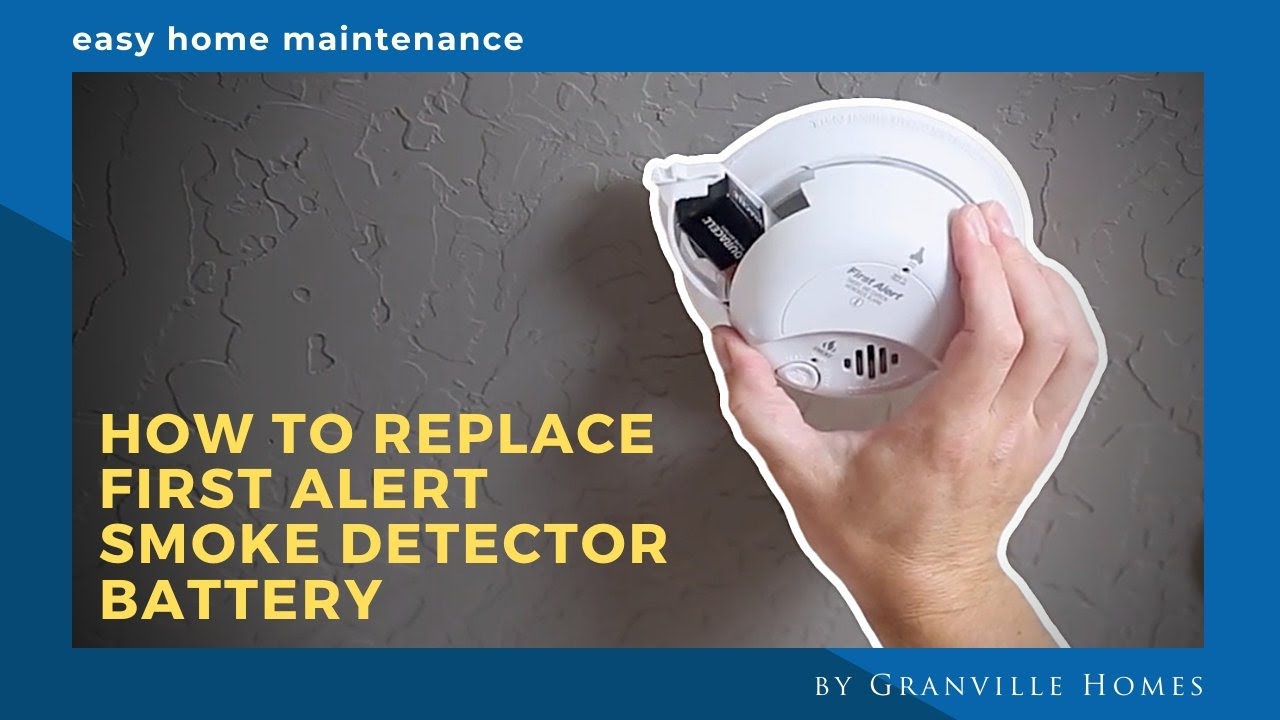
How To Replace First Alert Smoke Alarm

Every home holds a silent guardian, a discreet sentinel watching over our precious moments. We often take it for granted until that tell-tale, high-pitched chirp reminds us it’s there, and usually, that chirp means it’s time for a battery change, or perhaps, a full replacement. We’re talking, of course, about the ever-reliable First Alert smoke alarm! Far from being a mere chore, learning to replace one is a surprisingly empowering and creatively satisfying endeavor, a small act of domestic mastery that brings a profound sense of peace.
Think of your home as your personal masterpiece, a living canvas you curate and maintain. Replacing a smoke alarm isn't just about safety; it's about stewardship, a tangible way to enhance your living space. For the casual learner, it’s a fantastic entry point into the world of DIY, proving that seemingly daunting tasks are often straightforward. You gain confidence, realizing you’re capable of tackling more than you thought. For the hobbyist, it’s a quick, satisfying project, a "micromastery" that offers instant gratification and adds another skill to your growing toolkit of home maintenance expertise. And for those who appreciate the aesthetic and functional harmony of their surroundings, it’s about ensuring every element, even the safety devices, are in prime condition, contributing to the overall wellbeing and "flow" of your artistic living space.
Consider the variations, the "styles" of replacement you might encounter. There's the "Classic Battery Refresh" – a simple, yet vital act of nurturing your existing guardian. Then there's the "Full Upgrade", where you replace an older model with a newer, more sensitive one, perhaps even a smart alarm that integrates with your home's digital ecosystem. This is akin to updating a classic piece of art with modern techniques, enhancing its relevance and effectiveness. Whether you’re swapping out a single unit in the hallway or orchestrating a full-home refresh, each act is a testament to your proactive care. It’s about choosing the right "tool" (the new alarm) for the "job" (your home's specific safety needs), a thoughtful decision that demonstrates your engagement with your living environment.
Must Read
Ready to embark on this empowering journey? Here are a few tips for trying it at home. First, and most importantly, safety! If your alarm is hardwired, always turn off the power at the circuit breaker before you begin. For battery-only models, you can usually proceed directly. You’ll typically need a Phillips head screwdriver, a sturdy step ladder (don't overreach!), and of course, your new First Alert alarm or fresh batteries. Gently twist or unclip the old unit from its mounting bracket. If replacing, disconnect any wires if hardwired (remembering which one goes where!). Install the new unit, reconnecting wires as needed, and ensure it clicks securely into place. Don't forget the new batteries! Once everything's reconnected and the power is back on, perform a test run by pressing the test button. That loud chirp means you've succeeded!
Ultimately, replacing a First Alert smoke alarm is more than just a maintenance task. It’s a quiet victory, a small but significant act of self-reliance. There’s genuine enjoyment in knowing you’ve made your home safer, in the hum of accomplishment that follows a successful DIY project. It’s an investment in your peace of mind and the well-being of those you care about, wrapped up in a surprisingly simple, utterly satisfying experience. Go ahead, empower yourself – your home will thank you for it!