
How To Read Electric Bill

Okay, spill the tea. We all get that envelope, right? The one that feels heavier than it should, even though it's just paper. You know the one I'm talking about: your electric bill. It lands on the counter, gives you a side-eye, and instantly makes you feel guilty for that extra long shower or binge-watching session last month. But what if I told you it doesn't have to be a scary monster under the bed? What if we could actually, like, understand it? Grab a coffee, let's chat about it.
First off, take a deep breath. It's just a piece of paper, full of numbers trying to tell a story. And you, my friend, are about to become a certified bill whisperer. No more confused head scratches, I promise!
Your Account Info: The "Who Are You?" Bit
Alright, let's start with the easy stuff. Right at the top, you'll usually find your account number, your name, and your service address. Seems obvious, right? But seriously, double-check it. Especially if you've recently moved or had a name change. You don't want to be paying for your old neighbor's hot tub habits, do you? Awkward!
Must Read
The Service Period: When Was This Party Happening?
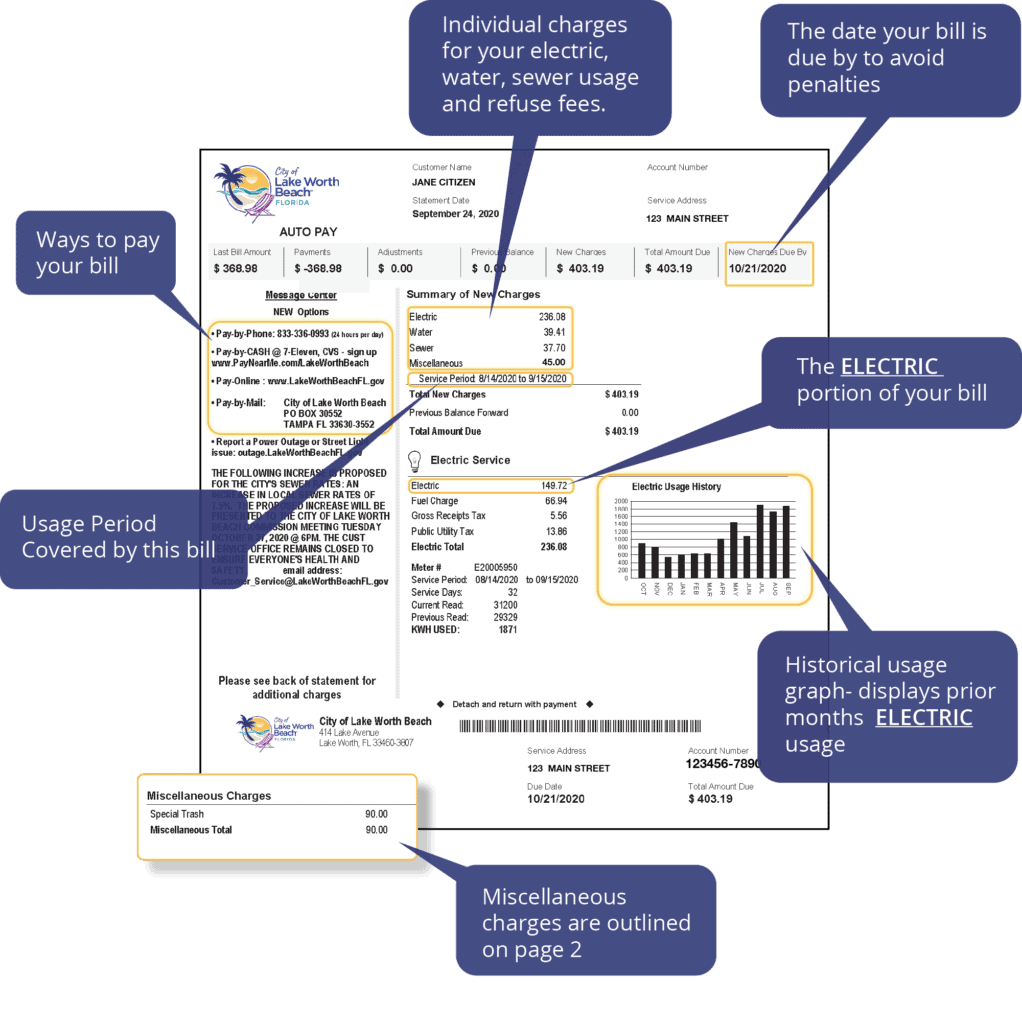
This is super important! It'll say something like "Service Period: January 1st – January 31st." This tells you exactly when that electricity was doing its thing. Why does it matter? Because if your bill suddenly skyrockets, knowing the exact dates helps you think back: "Oh! That was when Aunt Carol came to stay and cranked the AC like it was the Sahara!" Or, "That's when I accidentally left the garage light on for a week straight!" Whoops.
Your Usage: The Nitty-Gritty, Baby!
This is the star of the show, the main event! Look for something measured in kWh – that's kilowatt-hours. Don't let the big words scare you. Think of kWh as how many "units" of electricity you used. Imagine it like miles driven in your car, or gallons of water in your pool. More kWh means more energy was chugging along in your house. This number is usually the biggest factor in your bill's total. See a jump here? That's your first clue to investigate! Was it extra laundry? More gaming? The holiday lights you kept up way too long? (No judgment, we've all been there!)

The Actual Charges: Why So Serious?
Okay, this section often looks like a cryptic ancient scroll, but we'll decode it together. You'll usually see it broken down into a few main categories:
Supply Charges: This is literally the cost of the electricity itself. Think of it as buying the raw ingredients from the electricity market. Sometimes you can even shop around for different suppliers, just like picking a different brand of coffee beans!
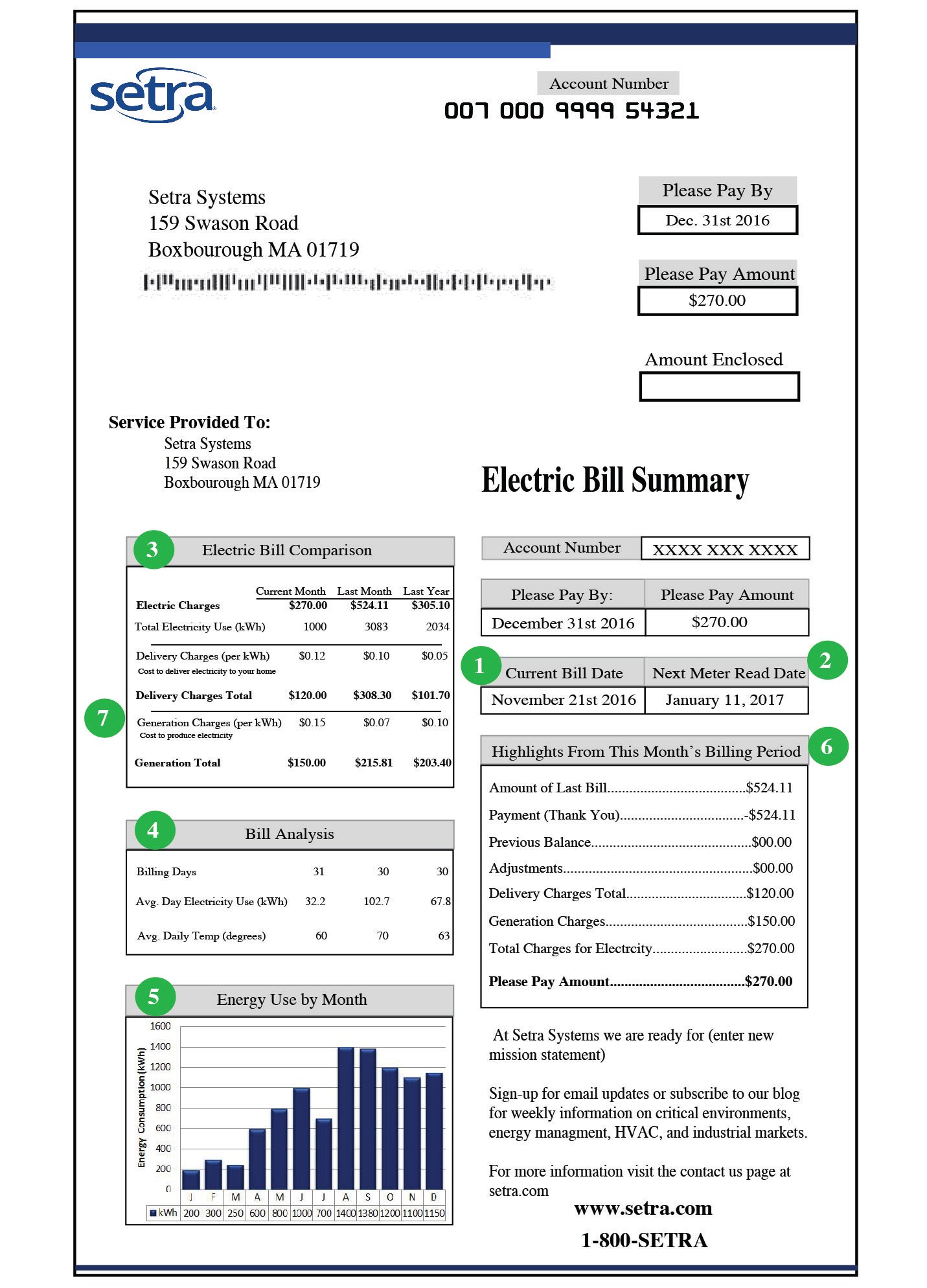
Delivery Charges (or Transmission/Distribution): This is what you pay to get that electricity from the power plant all the way to your outlets. It's like the shipping and handling fee, but for electrons. It covers maintaining all those poles, wires, and transformers. Basically, it's paying the delivery guy. Can't argue with needing the infrastructure, right?
You might also see things like Customer Charge (a flat fee just for being connected, whether you use electricity or not – kind of annoying, but unavoidable!), and various Taxes and Surcharges. Yep, the government wants its piece of the energy pie too. Always check for anything labeled "renewable energy charge" or similar, as some utilities pass on costs for green initiatives. Go planet, go!
Payment Due: The Unavoidable Part
Alright, the part we all dread, but need to know: the due date. This is your "pay by" deadline. Don't miss it, unless you enjoy paying late fees – and who does that? Most bills will also tell you how to pay: online, by mail, or even in person. Pick your poison!
Comparing Your Bills: Become a Power Detective!
Here's a pro tip: don't just glance at the total and groan. Keep your old bills! Most bills have a little chart or graph showing your usage over the past year. This is gold! You can see trends. Are you consistently higher in summer? (AC, baby!) Or winter? (Heater, hot baths!) If you suddenly see a spike that doesn't make sense, that's your cue to investigate. Maybe a new appliance is a secret energy hog? Or perhaps you left the fridge door ajar for a week. (Been there, done that, bought the t-shirt.)
So there you have it! Your electric bill, demystified. It's not a monster; it's just a report card for your home's energy habits. Now go forth, brave bill reader, and conquer those kilowatts! You got this!
