How To Power My House With A Generator
You know that moment. The lights flicker, then poof. Darkness. Silence. Except for maybe your neighbor yelling. What if I told you there's a way to laugh in the face of a power outage, to keep your snacks cold and your Wi-Fi blazing? Enter the humble, yet mighty, generator! It’s not just for doomsday preppers; it’s for anyone who loves their creature comforts.
Forget candlelight and shivering. With a generator, you can keep the party going, or at least your refrigerator humming. Imagine everyone else in the dark, and you’re watching your favorite show, brewing coffee, or even running a disco ball (if that's your emergency priority, no judgment!). It’s about more than just power; it’s about peace of mind and a little bit of flexibility.
Generator Types: The Two Main Characters
Okay, so generators aren't one-size-fits-all. You've got your portable pals and your standby superstars. Portable generators are like your trusty sidekick – you roll them out, plug 'em in, and they power specific things with extension cords. Great for a few essentials or camping! Then there are standby generators. These are the big guns, permanently installed, often run on natural gas or propane, and kick in automatically the second your power dips. They're like your house's personal, silent guardian, always ready.
Must Read
Fueling Your Fun
Generators, like us, need to eat! Most common are gasoline, propane, natural gas, or diesel. Gasoline is super popular for portables, but you gotta store it safely. Propane and natural gas are fantastic for standby units because they connect directly to your home's supply – no refilling required! Diesel is another option, often for heavier-duty applications. Each fuel has its own quirks and benefits, but all of them are designed to keep the electrons flowing.
The Golden Rule: Safety First (But Still Fun!)
Before we dive into powering up, let's get serious for a sec, but still lighthearted! The absolute, non-negotiable, most important rule is: NEVER backfeed your house. What’s backfeeding? It's sending power from your generator back into the utility lines. This is incredibly dangerous for utility workers and can even fry your generator. So, how do you avoid turning into a mad scientist?

Enter the Transfer Switch: Your Power Pal
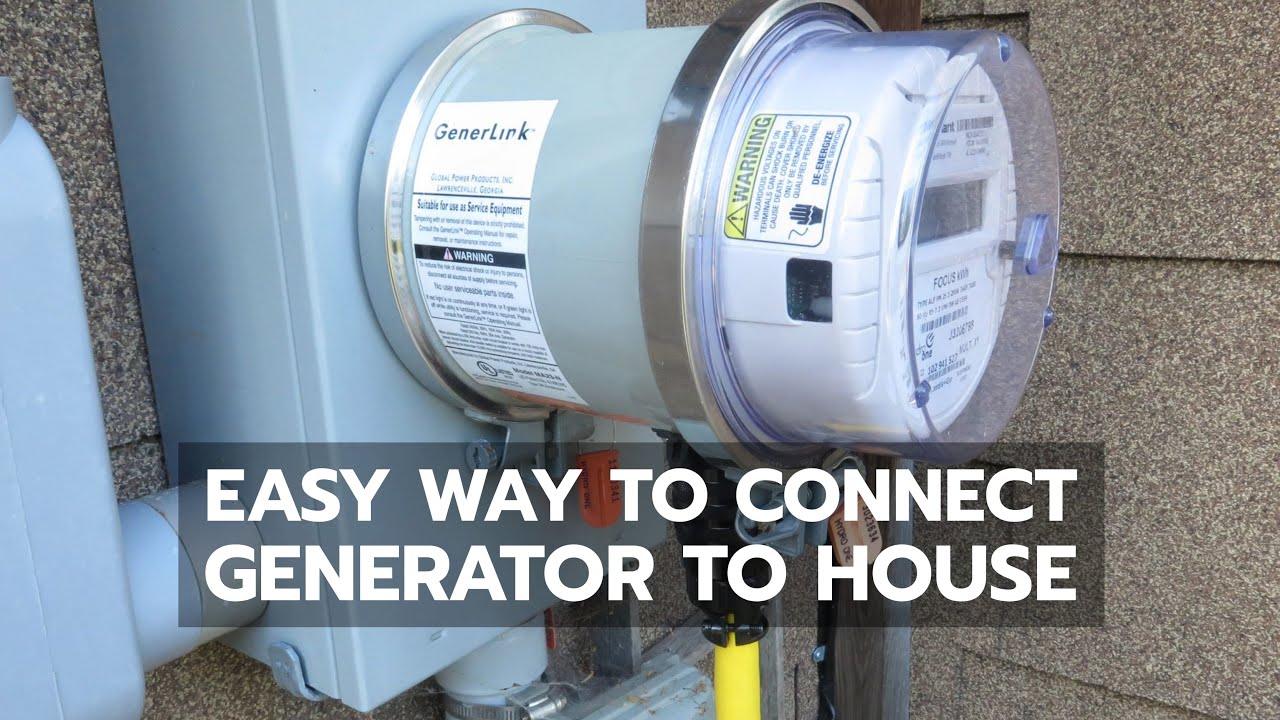
This is where the magic happens! A transfer switch is a special electrical device that physically separates your house from the utility grid before connecting it to your generator. Think of it like a bouncer at a club, letting only one power source in at a time. This device is essential for safely powering your home from a generator. For portable units, you might use a manual transfer switch or simply plug appliances directly (with appropriate heavy-duty cords, of course!). For standby generators, it's typically automatic and built-in.
Sizing Up Your Needs: Not a One-Size-Fits-All
Now, don’t go buying a tiny little generator if you plan to power your entire mansion, complete with a home theater and an electric car charger! You need to figure out what you really want to keep running. Do you just need the fridge, a few lights, and your Wi-Fi? Or do you want the whole shebang? Make a list of your must-haves. Look at the wattage on those appliances. Sum them up, add a little extra for starting surges (motors need a jolt to get going!), and voila – you've got your generator size. It’s a little like being an electrical detective!

Setting Up Your Power Oasis
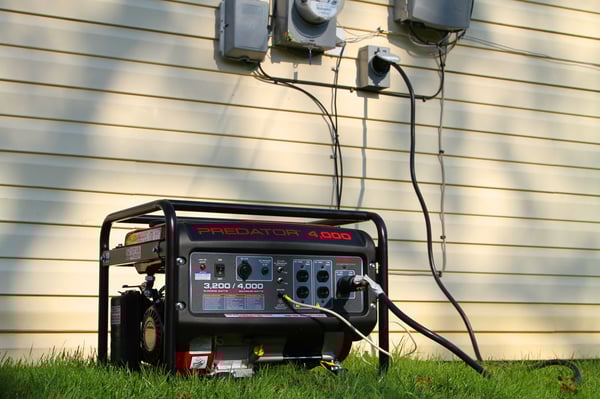
Okay, you've got your generator and your transfer switch. What next? Find a safe spot for your generator. We're talking outside, far from windows and doors, to avoid carbon monoxide fumes (super important!). Then, if you have a portable unit, grab those heavy-duty, outdoor-rated extension cords. Remember, regular indoor cords are a no-go for generators – they’re just not up to the task! It’s all about creating a mini-power plant, safely tucked away in your yard.
The Joy of Resilience: Why It’s Worth It
There’s a unique satisfaction that comes with knowing you’re prepared. When the grid goes down, and everyone else is scrambling, you'll be chilling. You're not just powering your house; you're powering your comfort, your communication, and maybe even your sanity. It’s a bit like having a secret superpower when the lights go out. Plus, let's be honest, talking about generator setups makes you sound incredibly resourceful and intelligent at parties (especially during a blackout!).
So, powering your house with a generator isn't some super-technical, scary feat. It’s actually pretty straightforward with the right knowledge and tools. It’s about being smart, being safe, and reclaiming a little bit of control when nature (or a clumsy squirrel) decides to mess with your electricity. Go forth, explore, and maybe start dreaming of what you’d power first! Coffee maker? Internet router? Or that emergency disco ball? The power is literally in your hands!