
How To Know When To Pump Septic Tank
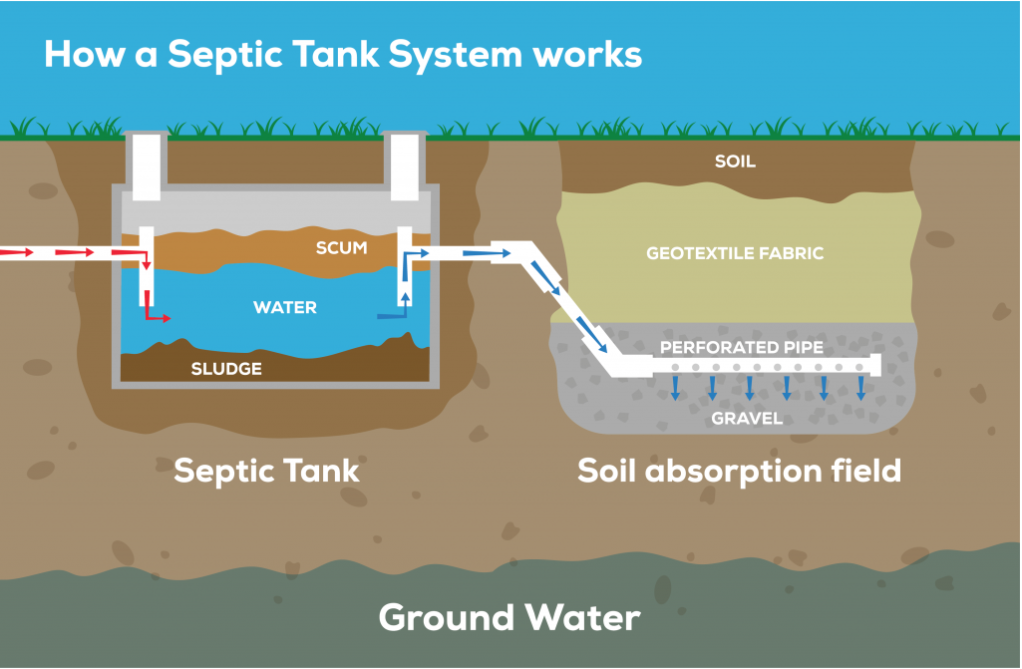
Okay, let's talk about something that probably isn't on your Top 10 list of "Most Exciting Homeowner Topics." We're diving deep into the world of your septic tank. Yes, that one. Before you groan and scroll away, hear me out! Understanding your septic system isn't just about avoiding a messy disaster; it's about gaining a secret superpower, becoming a household hero, and frankly, making your life a whole lot less stressful and a lot more… well, flow-y. Pun absolutely intended!
Think about it. Your home is your castle, your sanctuary, your happy place. And hidden beneath your yard, quietly doing its vital work, is your septic system. It’s like the unsung backstage crew of your entire domestic drama. Ignoring it? That’s like ignoring the foundation of your castle – eventually, things are going to get wobbly. But giving it a little love and attention? That’s where the magic happens. You become a proactive homeowner, a savvy steward, and frankly, a much happier person.
So, how do you know when it’s time for that glorious moment of... pumping? Let’s turn this potentially murky topic into a clear-cut mission, shall we?
Must Read
The Golden Rule: Time Flies When You're Septic
First things first, let’s talk averages. For most septic systems, especially those with typical household usage, a pump-out every three to five years is the general recommendation. But here’s the kicker: this is just a guideline! It’s like saying most people need coffee every morning. True for many, but not everyone, right? Factors like the size of your tank, the number of people in your household, and even your water usage habits can shift this timeline. Got a house full of teenagers who love epic, hour-long showers? Your septic tank is working overtime, my friend!
Consider this your baseline. Mark it on your calendar, set a recurring reminder on your phone, or better yet, make it an annual check-up item on your home maintenance list. Being proactive means you’re already winning!

Detective Work: What Are the Clues?
Beyond the calendar, your septic tank often sends out little SOS signals, quiet whispers before they become full-blown shouts. Learning to interpret these signs is where you truly become a septic superhero. Grab your magnifying glass – it’s time for some detective work!
Clue #1: The Nose Knows (and sometimes, it recoils!)
This is probably the most obvious, and certainly the least pleasant, sign. If you start noticing foul odors around your drain field, near your septic tank lid, or worse, inside your house, that’s a big, stinky red flag. Think rotten eggs, sewage, or just a general "Ew, what's that funk?" kind of smell. This usually means your tank is overflowing, or the gases aren't being properly vented. Your nose isn't just for smelling roses; it's a critical early warning system!
Don't ignore it. A little whiff can quickly turn into a persistent stench that will make your backyard BBQ dreams crumble faster than a stale cracker.

Clue #2: The Slow-Mo Dance (and gurgling toilets)
Are your drains suddenly channeling their inner sloth? Is your shower water taking its sweet time to disappear? Do your toilets sound like they’re having a conversation with themselves (a gurgling one, not a polite chat)? These could be signs of a clogged drain field or an overly full septic tank. When the effluent can’t properly flow out of the tank into the drain field, it backs up into your plumbing. It’s like a traffic jam, but instead of cars, it’s… well, you get the picture.
Before you reach for the chemical drain cleaner (which, by the way, is a big no-no for septic systems!), consider the bigger picture. Your pipes might be screaming for a septic check-up.
Clue #3: The Lush, Green Mystery Patch
Walk around your yard, especially in the area where your drain field is located. Do you notice a spot that’s suddenly unusually green, lush, and maybe even a bit spongy or wet, even when the rest of your lawn is parched? While a patch of vibrant green might seem lovely, in the context of your septic system, it’s a sign that nutrient-rich effluent is surfacing. This means your drain field might be overwhelmed or failing, and your tank is likely screaming for a pump. It's like your grass is getting an all-you-can-eat buffet of... well, you know.
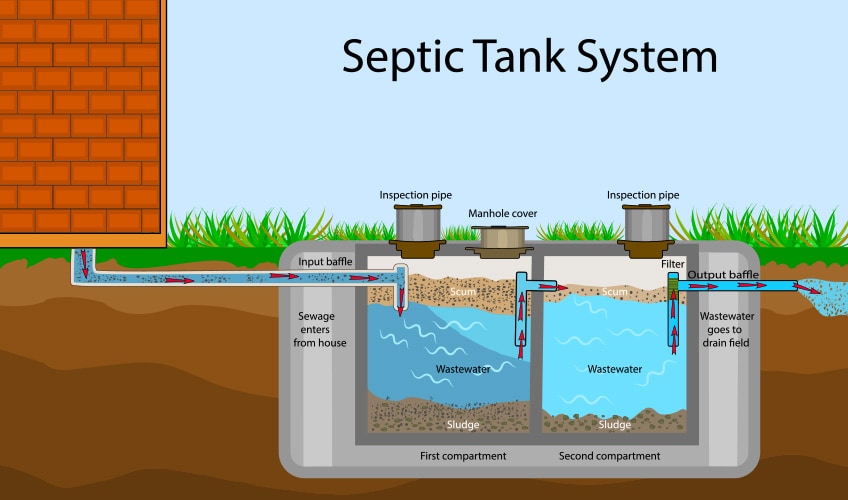
Standing water in this area is an even more urgent sign. Don't let your yard become a swampy secret!
Clue #4: The Dreaded Backup (Code Red!)
Okay, this is the big one. The "Houston, we have a problem" moment. If you experience a sewage backup into your sinks, toilets, or tubs, your septic tank has gone beyond full. It’s overflowing, and the wastewater has nowhere else to go but back into your home. This is not only incredibly unpleasant but also a significant health hazard. If this happens, stop using water immediately and call a septic professional ASAP. This is the sign you absolutely want to avoid at all costs!
Being prepared and proactive means you'll likely never have to face this ultimate homeowner nightmare.

The Joy of Being Proactive (Yes, Really!)
So, why embrace this seemingly unglamorous topic? Because knowing when to pump your septic tank isn't just about maintenance; it's about empowerment. It's about saving yourself thousands of dollars in costly repairs down the line. It's about protecting your family's health and your home's value. It's about being a responsible environmental steward.
When you understand these signs, you transform from a passive homeowner hoping for the best into an active, informed, and incredibly capable guardian of your dwelling. You gain peace of mind, knowing that your system is functioning smoothly, quietly doing its job, and not planning any nasty surprises.
Learning about your septic system is just one more incredible way you can master your home, feel more connected to your property, and build that beautiful sense of confidence that comes with being truly in charge. So, go forth, observe, listen, and sniff (if you must!). Be the septic superhero your home deserves! You've got this, and trust me, your future self (and your nose) will thank you.