
How To Know If You Have Carbon Monoxide

Ever had one of those days where you just feel… off? A bit foggy, maybe a headache creeping in, a general sense of fatigue that even your super-strong coffee can't fix? We've all been there. But what if that 'off' feeling isn't just a Monday mood or a post-lunch slump? What if it's your body trying to tell you something a bit more serious?
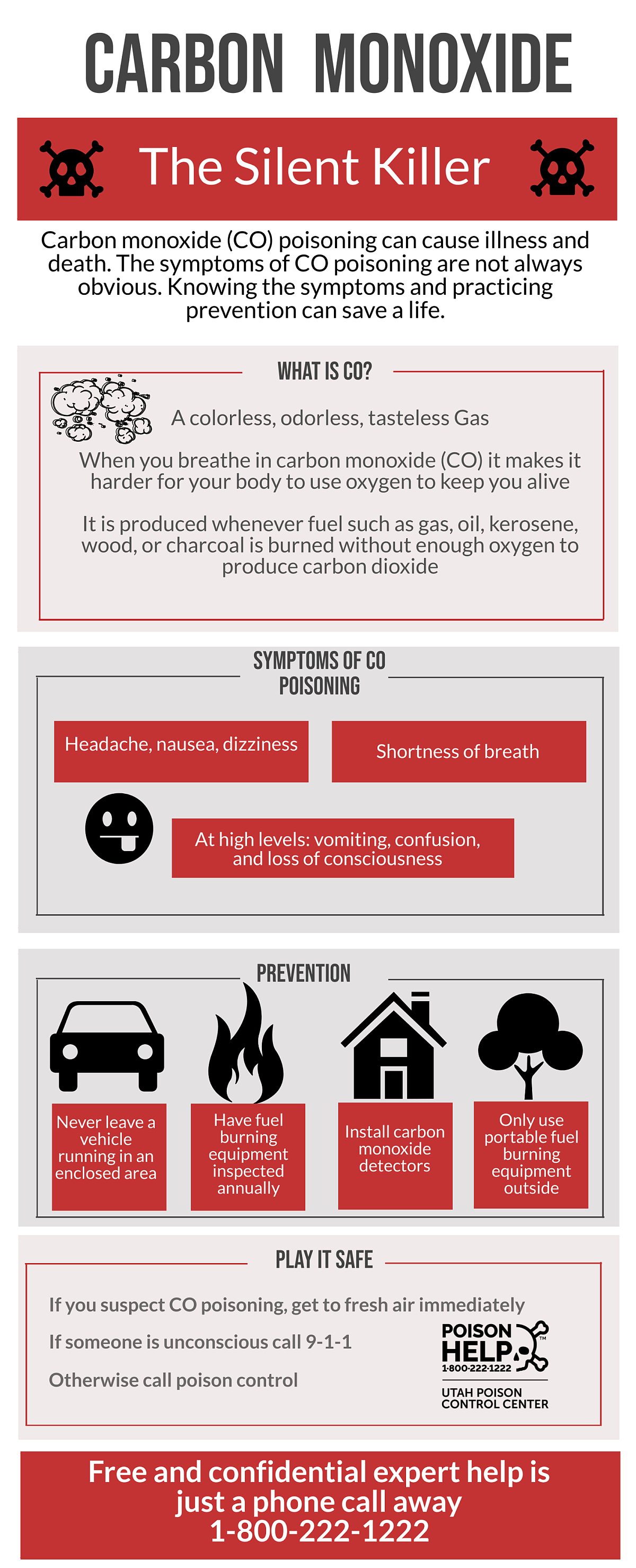
Enter carbon monoxide (CO), the ultimate party crasher in your cozy home. It's often called the "silent killer" for a reason: you can't see it, you can't smell it, and you certainly can't taste it. It's like a ninja ghost, lurking unseen, and that's precisely what makes knowing its signs so incredibly vital for keeping your loved ones (and yourself!) safe.
The Not-So-Glamorous Symptoms (and how to spot them)
Imagine waking up feeling like you've been hit by a truck, but you didn't even go out. Or a persistent headache that just won't quit, no matter how many pain relievers you pop. These are often the first whispers of carbon monoxide poisoning.
Must Read
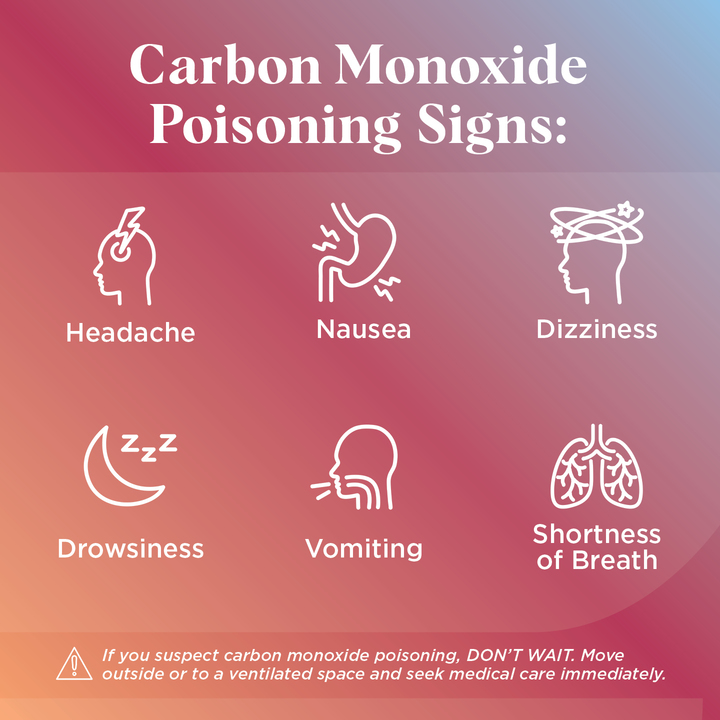
The tricky part? CO symptoms often mimic common, everyday ailments, making them easy to dismiss. Think of it like a game of charades, but with much higher stakes. Here’s what to look out for:
- Headache: This is frequently the first and most common sign. It can range from mild to throbbing.
- Nausea and Vomiting: Feeling sick to your stomach, or actually getting sick.
- Dizziness and Weakness: Feeling lightheaded, unsteady on your feet, or just generally drained of energy.
- Shortness of Breath: A feeling of not being able to get enough air.
- Confusion and Impaired Judgment: Difficulty thinking clearly, feeling disoriented. This can be particularly dangerous as it hinders your ability to react appropriately.
- Chest Pain: Discomfort or tightness in the chest area.
Here’s the key giveaway: if these symptoms start to magically disappear when you leave your home and reappear when you come back, your inner detective should be on high alert. This waxing and waning of symptoms is a huge red flag.
Your Home's Hidden Hazards (where CO lurks)
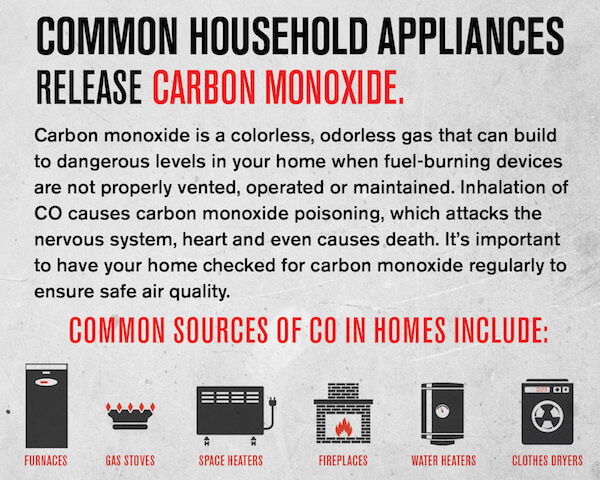
So, where does this invisible intruder come from? Carbon monoxide is a byproduct of incomplete combustion. Essentially, when fuels like gas, oil, wood, or coal don't burn completely, CO is produced. Think of it as the exhaust fumes of your everyday appliances.
Common culprits in your home include:
- Furnaces and Boilers: Especially if they haven't been serviced recently.
- Gas Stoves and Ovens: Ensure good ventilation when using them.
- Water Heaters: Another gas-fueled appliance to keep an eye on.
- Fireplaces and Wood-Burning Stoves: Always make sure flues and chimneys are clean and unobstructed.
- Clothes Dryers: Gas-powered models can be a source.
- Generators, Grills, and Car Exhaust: Never, ever use these indoors or in an attached garage. That includes "just for a minute!"
A fun fact (that isn't so fun when it happens): CO loves to bind with the hemoglobin in your red blood cells, displacing the oxygen that your body desperately needs. It's like a bully pushing oxygen out of line, making it impossible for your vital organs to get what they need to function.
Your Superhero Sidekick: The CO Detector
Since you can't rely on your senses alone, your best defense against CO is a reliable carbon monoxide detector. Think of it as your home's personal bodyguard, tirelessly watching for danger.
These devices are readily available and relatively inexpensive. It's truly a small price to pay for immense peace of mind. Here's the drill:
- Placement is Key: Install them on every level of your home, especially near sleeping areas. Remember, CO rises, so ideally at chest height or higher.
- Check Your Batteries: Just like smoke detectors, CO alarms need fresh batteries. Test them monthly, and change batteries at least twice a year (a good habit is to do it when you change your clocks for daylight saving).
- Know the Lifespan: CO detectors don't last forever. They typically have a lifespan of 5-7 years, so check the manufacturer's date and replace them as needed.
When in Doubt, Get Out! (What to do)
If you or anyone in your household starts experiencing symptoms that align with CO poisoning, or if your CO alarm goes off, here’s the immediate, non-negotiable action plan:
1. Get to Fresh Air IMMEDIATELY: Evacuate everyone from the house. Go outside or to an open window/door. Don't delay trying to find the source.
2. Call for Help: Once you're in fresh air, call 911 (or your local emergency services). Tell them you suspect carbon monoxide poisoning. They can dispatch emergency responders with specialized equipment to check your home.

3. Don't Go Back In: Wait for the emergency services to arrive and give you the all-clear before re-entering your home. Even if you feel better after a few minutes in the fresh air, the danger hasn't necessarily passed.
It’s better to be safe than sorry. Always trust your instincts when it comes to your health and safety.
In our busy lives, it's easy to overlook the unseen dangers. But taking a few simple steps – understanding the symptoms, knowing the sources, and installing those vital detectors – can turn your home into a truly safe haven. It's not just about avoiding a scare; it's about protecting the moments that matter most and ensuring every cozy night in is just that: perfectly cozy, perfectly safe, and perfectly yours. Because a little awareness goes a long, long way in creating a happy, healthy home. Stay safe out there!