How To Know If Carbon Monoxide Alarm Is Going Off

What's That Noise?! Decoding Your Carbon Monoxide Alarm
Alright, let's talk about that mysterious little box on your wall or ceiling, the one that’s usually minding its own business. You know, your carbon monoxide alarm! Most of the time, it's just chilling, blending in with the decor. But what happens when it decides to throw a mini-concert? How do you know if it's the real deal, screaming about invisible danger, or just a drama queen asking for a new battery? Let's get to the bottom of this household mystery with a bit of fun!
The Grand Announcement: A Real CO Alarm!
Imagine your alarm suddenly transforming into a tiny, very insistent air raid siren. This isn't a gentle suggestion; it's a full-blown emergency broadcast! A legitimate carbon monoxide alarm will typically let out a series of very loud, very distinct, and frankly, quite startling beeps. We're talking four short beeps, followed by a pause, then another four short beeps, and so on. It's not subtle. It’s designed to wake you up, grab your attention, and make you think, "Uh oh, something's definitely up!"
Think of it like your home suddenly discovering it can sing opera, but only one very repetitive, high-pitched note. If your alarm is doing this, accompanied by frantic, flashing lights (often red or orange), then congratulations, you've just received a very serious heads-up from your tiny guardian angel. It’s practically shouting, "Hey! Invisible gas! Not cool! Time to go!"
Must Read
Beyond the Beeps: The Visual Cues
Not all alarms just beep. Many modern ones come with a light show or even a digital display. If your alarm has a light that’s usually green (meaning all clear) and it suddenly starts flashing a bright red or amber, often in sync with those urgent beeps, that’s another huge clue. It's like your alarm's internal disco light just switched to "Danger Zone" mode. If you have a fancy digital display, it might even show you a number, indicating the concentration of CO. A number above zero when it shouldn't be? Yep, that's a signal to pay attention!
"If your alarm sounds like a frantic bird trying to escape a tiny box with flashing lights, it's likely a real carbon monoxide alert!"
The Great Imposter: The Low Battery Chirp!
Now, here's where things can get a little confusing, and frankly, a bit annoying. Your carbon monoxide alarm shares a trait with its cousin, the smoke alarm: it also chirps when its battery is dying a slow, dramatic death. But here’s the key difference! A low battery warning is usually a single, lonely beep or chirp every 30 to 60 seconds. It's more of a whiny, intermittent complaint than a full-on panic attack. It’s like your alarm is muttering, "Hey, just a heads-up, I'm getting a little tired over here. Could use some juice."

This single chirp is typically less urgent, less frequent, and often just a quick "peep" rather than the insistent, repetitive four-beep blast of a true CO detection. If you hear a casual, spaced-out "chirp... (long pause) ...chirp", that's your cue to grab some fresh batteries, not to evacuate the house. It's the difference between a polite request and a shout of "Code Red!"
So, It's the Real Deal! Now What?!
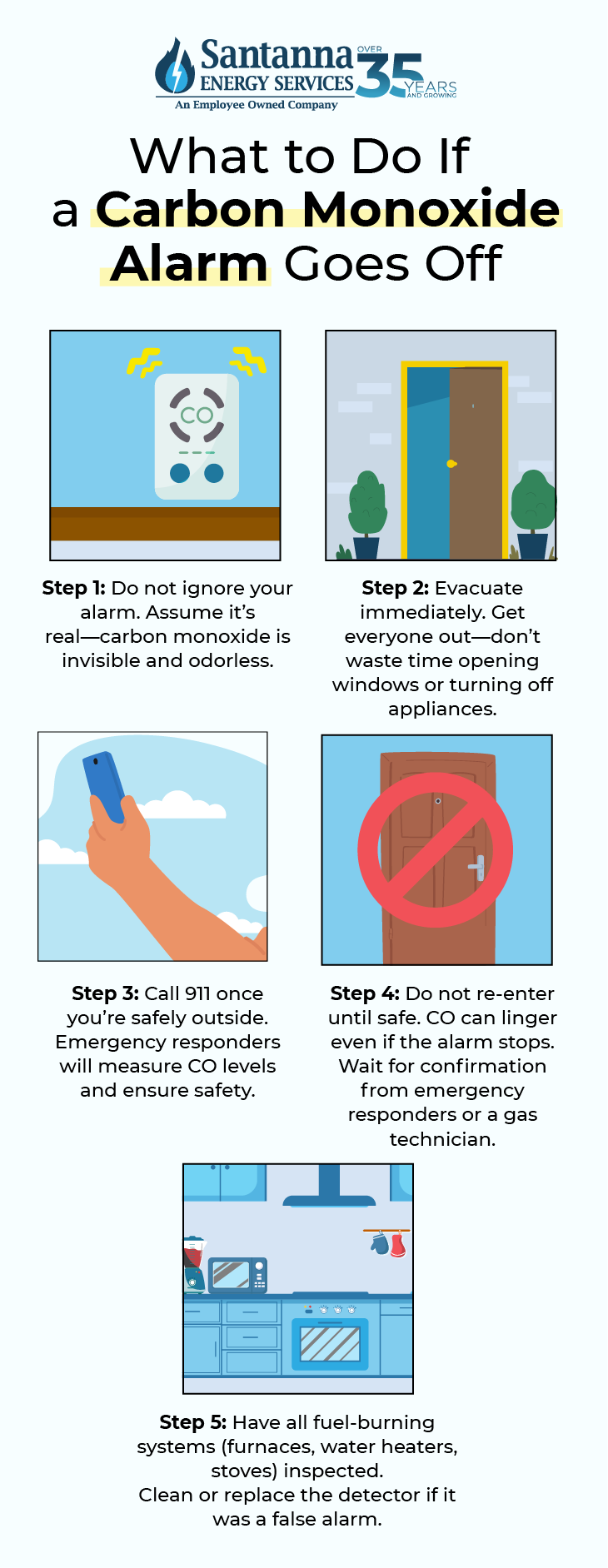
Okay, so you've decoded the message: four beeps, pause, four beeps, flashing lights, maybe a number on the display. Your alarm is definitely telling you something serious. This is not the time to second-guess or try to "air out" the house. Carbon monoxide is odorless, colorless, and seriously sneaky. This is the moment for quick action, not contemplation!
Your primary, immediate, and non-negotiable step is to get everyone, including pets, out of the house immediately. Don't wait. Don't grab your entire photo album collection. Just get out! Once you are safely outside, far away from the house, call 911 or your local fire department. They are the experts, and they have the equipment to safely investigate. Let them be the heroes! Seriously, this is one of those times when you absolutely, positively do not want to be a DIY detective.
A Friendly Nudge: Test Your Alarms!
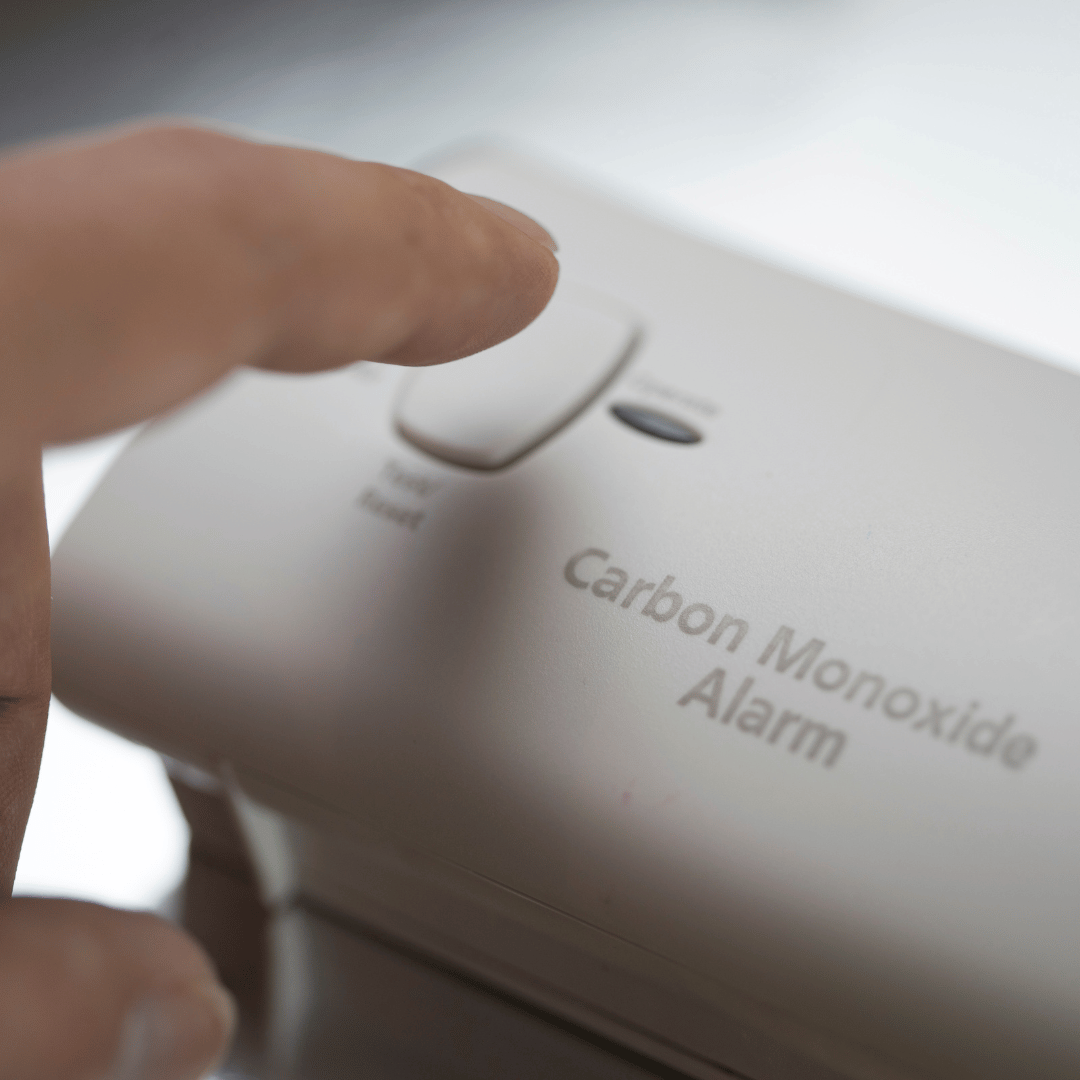
The best way to confidently know what your alarm sounds like when it's going off is to hear it before there's an actual emergency! Most CO alarms have a "test" button. Give it a push once a month! It'll usually blast out the same loud, four-beep pattern it would use for a real CO detection. This helps you get familiar with the sound, ensuring you won't mistake it for a low battery whine or just your neighbor's really enthusiastic dog. A little button push can bring a lot of peace of mind. Stay safe, stay smart, and keep those alarms happy and chirpy (but only for low batteries!).