
How To Know If A Septic Tank Is Full

Alright, let's talk about something that isn't exactly a dinner party topic, but is super important if you live in a home with a septic system: that mysterious underground tank doing all the heavy lifting for your household waste. Think of your septic tank as the unsung hero of your home, quietly working away, day in and day out. But even heroes need a little help now and then, and sometimes, they just get plain full.
Now, I know what you're thinking. "Do I really need to think about this?" And the answer is a resounding, friendly yes! Ignoring a full septic tank is like ignoring a rumbling stomach – eventually, things are going to get uncomfortable, and possibly, a lot messier (and smellier!) than you'd like. Trust me, you don't want your shower turning into a foot bath of questionable origin, or your lawn suddenly hosting an unwelcome swamp party.
So, let's dive into the signs, shall we? Consider this your friendly, no-judgement guide to understanding when your underground buddy might be raising a little white flag.
Must Read
The Slow-Mo Bathroom Scene: Drains That Drag Their Feet
This is often the first, most obvious clue, and it's a real buzzkill. You're washing your hands, and the water just… sits there. Or you flush the toilet, and it fills up a little too high, takes its sweet time to drain, and maybe even gives you a "gulp, gulp, gurgle" sound effect. It's like watching a movie scene play out in super slow motion, but instead of a dramatic fight, it's just your sink water refusing to disappear.
If you're noticing this happening across multiple drains in your home – say, the shower, the kitchen sink, and a toilet – it's a strong indicator. One slow drain might just be a local clog, but a whole house full of sluggish pipes? That's your septic system waving a little red flag, saying, "Hey, I'm a bit overwhelmed down here!" It's like your personal plumbing system is trying to tell you, "I'm working on it, but I'm really pushing my limits!"
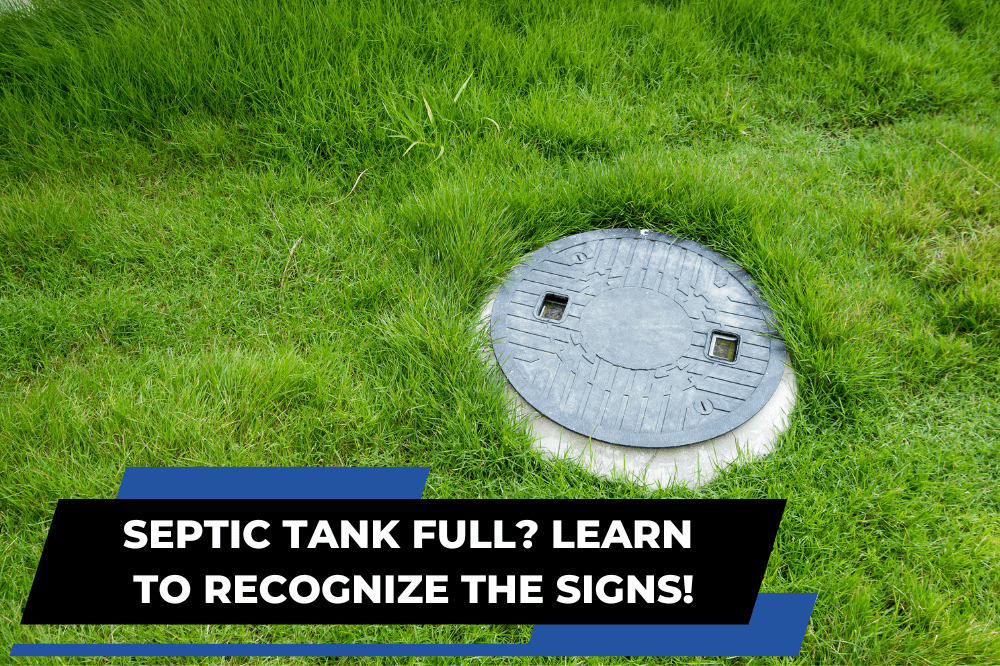
The Olfactory Offense: Unpleasant Odors
Let's be blunt: a full septic tank doesn't smell like fresh-baked cookies. If you start noticing a rather distinct, shall we say, earthy and unpleasant odor wafting around your property, especially near the septic tank or the drain field (that's the area where the treated water disperses into your yard), it's a huge sign.
Sometimes, these smells can even make their way back indoors through your drains. Imagine walking into your bathroom and getting a whiff of something that definitely doesn't belong. It's not just a passing bad smell; it's a persistent, "What is that?!" kind of scent. Think of it as your septic tank clearing its throat a little too loudly. It’s trying to tell you, "Things are getting a bit backed up here, and I'm starting to complain about it!"
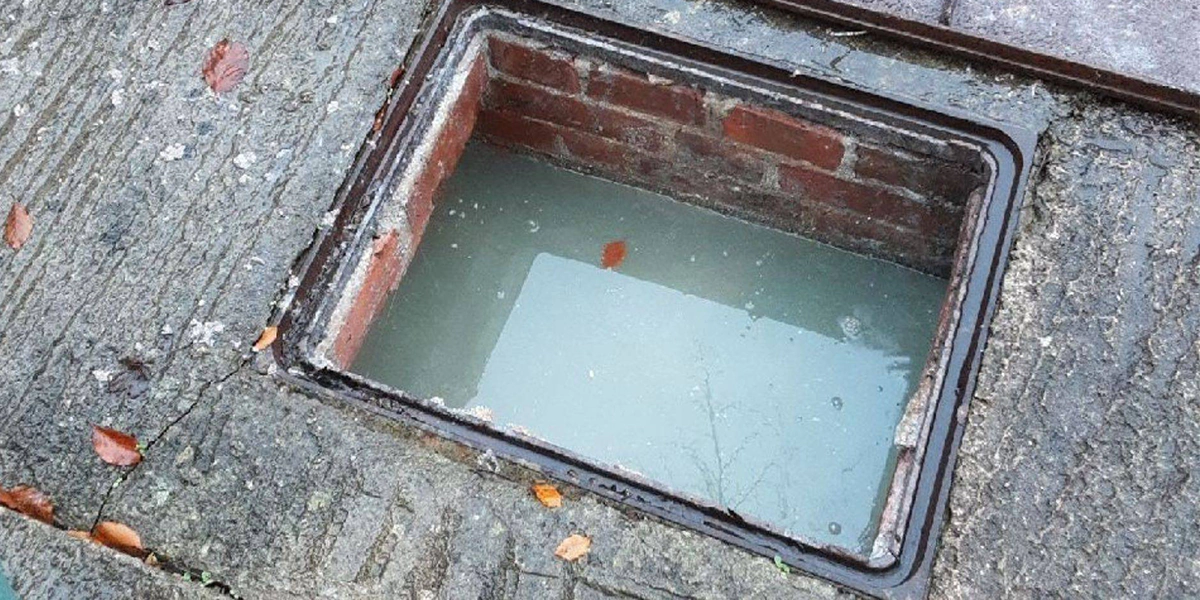
The Lawn's Secret Garden: Unexpectedly Lush Green Patches
This one might seem counterintuitive, but trust me, it's a classic sign. If you suddenly spot a patch of grass in your yard that looks significantly greener, thicker, and generally more vibrant than the surrounding lawn – almost like it's been secretly fertilized with a magic potion – pay attention. This usually happens over the drain field.
Why? Because a full or failing septic system can start leaking nutrient-rich wastewater (yes, that kind of nutrient!) into the soil prematurely. Your grass, being opportunistic, thinks it's hit the jackpot and decides to throw a little growth spurt party. While a super green lawn sounds nice, a mysteriously vibrant patch over your septic area is a bit like a neon sign flashing, "Problem Here!" It's your lawn's way of saying, "Wow, I'm getting a lot of extra love in this one spot!"
The Soggy Surprise: Puddles and Standing Water
Beyond the super green grass, a more advanced sign of a very full or overflowing septic tank is actual standing water or noticeably soggy ground, especially around the tank itself or anywhere in the drain field. This isn't just morning dew; this is ground that feels squishy underfoot, or worse, has visible puddles that don't seem to dry up, even on a sunny day.
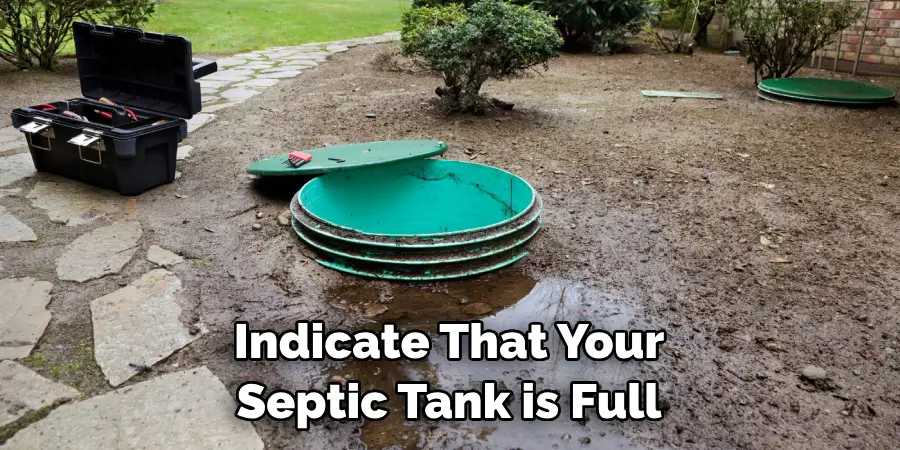
It's like your lawn is developing its own little, uninvited marshland. This means the wastewater isn't being properly absorbed by the soil and is instead pooling on the surface. Imagine trying to pour a glass of water into an already full cup – it's just going to spill over. This is exactly what's happening underground, but with a lot more... well, a lot more everything. This is a serious sign that your septic system needs immediate attention.
The Gurgling Monster: Strange Noises from Pipes
Sometimes, before the drains slow down or the smells kick in, you might hear some peculiar noises. We're talking about gurgling, bubbling, or even sucking sounds coming from your pipes, especially when water is draining or a toilet is flushed. It's like your plumbing system is trying to communicate, but it's speaking in a language of distressed digestive sounds.

These noises can indicate that air is being trapped in the pipes due to an obstruction or a pressure imbalance, often caused by a backup in the septic system. Think of it as your pipes taking a big, uncomfortable breath. If you're hearing these spooky sounds, it's definitely time to listen to your home and consider getting things checked out.
So, there you have it! Knowing these signs can save you a whole lot of headache, hassle, and potentially, a significant amount of money in emergency repairs. Catching a full septic tank early is like catching a cold before it turns into the flu – much easier to deal with!
If you notice any of these friendly (or not-so-friendly) warnings, don't panic. The best thing to do is call a qualified septic professional. They're the superheroes who can properly assess the situation, pump your tank, and get your underground system back to being the quiet, efficient hero of your home once more. A little proactive care goes a long, long way in keeping your home (and your nose!) happy.