
How To Identify A Gas Leak
Alright, let's talk about something super important but often whispered about like a secret alien invasion: gas leaks! Now, before you start picturing Hollywood explosions and dramatic movie scenes, let's get one thing straight – spotting a gas leak is usually as easy as pie, and way less dramatic. Think of yourself as a super-sleuth, a domestic detective with a keen sense for sniffy situations. We’re going to turn you into a gas leak guru, armed with common sense and a sprinkle of fun, because knowing is half the battle, and being prepared makes you a superhero in your own home!
Your Nose: The Ultimate Gas Leak Detector!
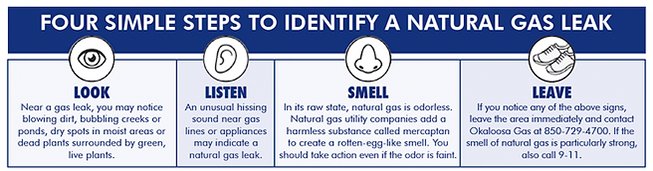
This is your absolute, no-fail, top-of-the-charts number one tool. Natural gas, in its pure form, is actually odorless. But utility companies are smart cookies! They add a special odorant called mercaptan, and it smells like... well, let's just say it's not perfume. Imagine a truck full of rotten eggs, driving through a cabbage patch that's seen better days, carrying a particularly pungent gym sock. That, my friends, is the signature scent. It's designed to be absolutely unmistakable and unforgettable.
Hot Tip: If you smell something akin to "rotten eggs", "sulfur", or just a generally "funky, unforgettable stench" that wasn't there five minutes ago, your nose is telling you something important. Don't ignore it!
It's not a subtle hint; it's a giant, flashing neon sign in your nostrils. Your brain will register it as "ALERT! ALERT! THIS IS NOT A SMELL OF HAPPINESS!" Trust that instinct. Even if it's faint, investigate. Don't second-guess your incredible smelling powers!
Your Eyes: Seeing the Unseen!
While your nose might be the star of the show, your peepers are pretty good backup dancers. Sometimes, a gas leak can leave visual clues, especially if it's outside or near an appliance.
The Great Plant Mystery
Have you noticed your usually vibrant houseplants suddenly looking like they've given up on life? Or perhaps a patch of grass outside that's gone from lush green to suspiciously brown, while everything around it is thriving? Gas can be a real party pooper for vegetation. If you see plants wilting, dying, or discolored without an obvious reason (like a super-forgetful watering schedule), especially near gas lines or appliances, it could be a clue.
The Bubble Ballet
If there's standing water near an outdoor gas line (say, after a rain shower or if you've got a water feature nearby), keep an eye out for mysterious bubbles. Gas escaping from an underground pipe will often create an effervescent "bubble show" on the surface. It’s like nature's own tiny, uninvited champagne celebration, and it's a definite red flag. Think tiny, persistent fizzing that just won't quit.
Dust Devils and Dancing Debris
A strong leak can actually kick up dust or light debris around the area it's escaping from. Imagine a miniature, localized dust storm, or leaves fluttering unexpectedly indoors. It's the kind of subtle movement that makes you do a double-take, a silent whisper from the gas trying to escape.

Your Ears: Listening to the Hiss and Whistle!
Sometimes, gas isn't shy. If there's a significant leak, you might actually hear it making a break for freedom. Listen for:
- A distinct hissing sound, like a leaky tire or a snake in a quiet library.
- A whistling sound, similar to a forgotten tea kettle, but without the comforting smell of Earl Grey.
- Any other unusual noises coming from your gas appliances or pipes.
It’s the sound of air (or rather, gas) escaping under pressure. If your quiet home suddenly sounds like it's harboring a tiny, disgruntled air compressor, pay attention!

When In Doubt: Trust Your Gut!
If you've noticed any of these signs – that unmistakable smell, peculiar plant problems, persistent bubbles, or strange sounds – don't play hero, and absolutely do not try to fix it yourself. This isn't a DIY project; it's a professional's playground. Here's what you DO:
- Evacuate immediately! Get everyone, including pets, out of the building.
- Do NOT turn on or off any lights. No switches, no appliances, no phone calls from inside the house. Sparks are the enemy here.
- Call your gas company's emergency line or 911 from a safe distance. Seriously, from outside, away from the house.
Remember: A little bit of caution goes a long, long way. You're not being paranoid; you're being prepared. You're being smart. And now, you're a certified gas leak guru!
So next time you're chilling at home, just remember your senses are your best friends. They're like your own personal superhero squad, ready to alert you to danger with a sniff, a glance, or a listen. Stay safe out there, you magnificent safety champions!
