
How To Get Tax Credit For Solar Panels

Ever looked up at a house with solar panels gleaming on the roof and thought, "Wow, that's pretty cool, but also probably super expensive"? You're not alone! Solar energy feels like something from the future, a sleek, eco-friendly upgrade that only a select few can afford. But what if I told you there's a really sweet deal waiting for you that makes going solar a whole lot more accessible and, dare I say, financially savvy?
Yep, we're talking about tax credits for solar panels. It sounds a bit like tax jargon, which can make anyone's eyes glaze over, right? But trust me, this isn't just dry IRS speak. This is like finding a golden ticket to significantly lower the cost of your solar adventure, making it less of a distant dream and more of a "hey, I could actually do this!" reality.
So, What's the Big Deal with a "Tax Credit" Anyway?
Let's break it down in a super chill way. A tax credit isn't just a deduction. A deduction just lowers your taxable income, which might save you a little bit of money. A tax credit, on the other hand, is a dollar-for-dollar reduction in the amount of tax you owe. Think of it like this: if you owe $5,000 in taxes and you have a $2,000 tax credit, poof! You now only owe $3,000. It's like a really generous coupon, but for your taxes, directly slicing off a chunk of your bill. How cool is that?
Must Read
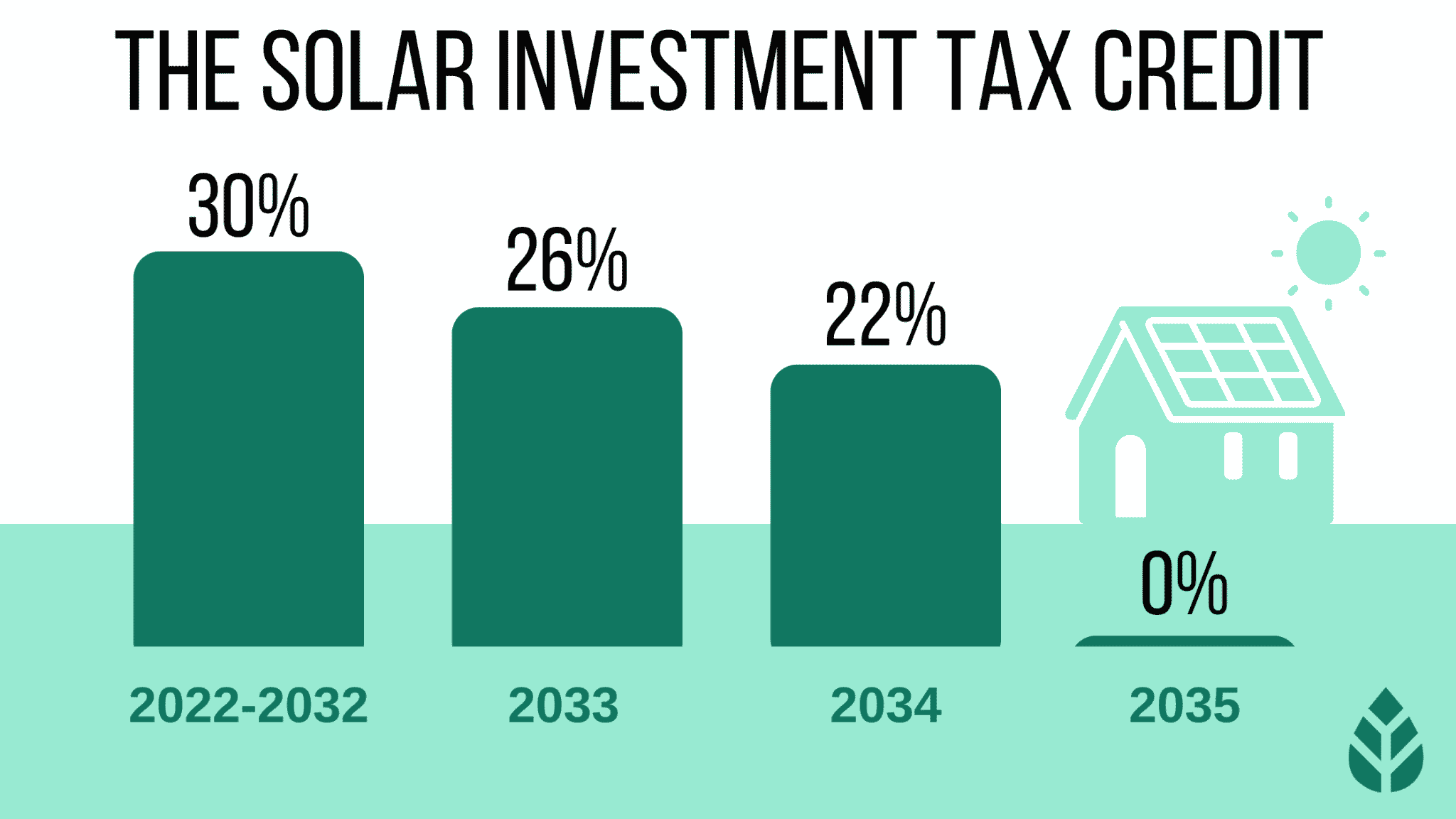
The main player in this solar savings game is the federal Residential Clean Energy Credit, often still referred to by its former name, the Investment Tax Credit (ITC). And here's the juicy part: it currently allows you to claim 30% of the cost of your new solar energy system! Yes, you read that right – thirty percent. Imagine buying a new car and getting 30% off the sticker price after the fact. That's essentially what we're talking about for your home's energy system.
What Does This Magical 30% Actually Cover?
It’s pretty comprehensive, which is awesome. The tax credit generally applies to the cost of your brand-new solar panel system, including the panels themselves, the inverter, wiring, mounting equipment, and even the labor costs for installation. But wait, there's more! It also covers things like energy storage devices (think solar batteries!) with a capacity of 3 kilowatt hours (kWh) or more, even if they aren't installed at the same time as your solar panels (though they need to be installed at your residence). It's a pretty sweet package deal.

Who Can Catch These Sunny Savings?
Good news! If you own your home, whether it’s your primary residence or a secondary one, you're likely eligible. This isn't just for fancy mansions; everyday homeowners can tap into this. The system needs to be new and put into service during the tax year you're claiming it for. So, if you're thinking about going solar, now's a fantastic time to explore it while this generous 30% credit is firmly in place.
Okay, So How Do I Actually Get This Money?
It’s simpler than you might think, though it does involve a little bit of paperwork (it is taxes, after all!). When you file your annual federal income tax return, you'll simply fill out IRS Form 5695, "Residential Clean Energy Credit." On this form, you'll list the costs associated with your solar panel installation, calculate your 30% credit, and then apply it to your tax bill.

No need to send receipts with your tax return, but it's super important to keep detailed records of all your installation costs and related documents. Think of it like keeping a scrapbook of your solar journey – a really important, tax-auditor-proof scrapbook!
What if I Don't Owe Enough Taxes to Use It All?
This is one of the coolest features! Unlike some other credits, if your 30% tax credit is more than the amount of federal tax you owe in a given year, you don't lose the leftover credit. Instead, you can carry forward the unused portion to reduce your tax liability in future years. It’s like a gift card that never expires, just waiting for you to use it down the line. Pretty awesome, right?
Why Bother with Solar and Tax Credits Now?
Beyond the obvious environmental benefits of reducing your carbon footprint and embracing clean energy, the financial incentives are a massive draw. With the 30% federal tax credit, you’re significantly cutting down the upfront cost, which can make your payback period much shorter. Imagine potentially eliminating or drastically reducing your electricity bill for decades to come, all while boosting your home's value and enjoying energy independence. It's like giving your house a superpower!
Plus, while the 30% credit is strong through 2032, it's slated to step down in later years. So, there's a bit of a "strike while the sun shines" mentality here.
A Few Friendly Nudges Before You Dive In:
- Talk to the Pros: While this article gives you a good overview, it's always a smart move to chat with a qualified tax professional or your solar installer. They can provide personalized advice and ensure you're maximizing all available incentives.
- Check for Local Goodies: Beyond the federal credit, many states and even local municipalities offer their own incentives, rebates, or property tax exemptions for going solar. These can often be stacked on top of the federal credit, making your savings even sweeter!
- Get Multiple Quotes: Just like any major home improvement, gather quotes from several reputable solar installers to compare prices and services.
So, there you have it! Going solar isn't just for environmental heroes or tech billionaires anymore. With the substantial federal tax credit and potentially other local incentives, it’s a genuinely smart financial move for many homeowners. It’s a chance to upgrade your home, save money, and feel good about your energy choices. Isn't that a bright idea?
.webp)