
How To Get Rid Of Smell From Sump Pump

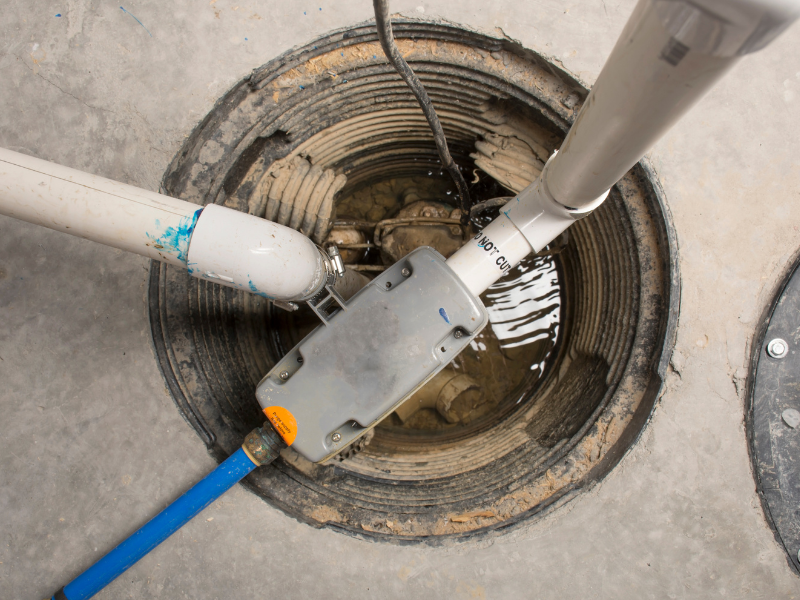
Okay, let’s be real for a second. You know that feeling. You walk into your basement, maybe to do laundry, grab something from storage, or just… exist, and suddenly your nose crinkles. There’s a faint, earthy, slightly musty, maybe even vaguely swampy smell hanging in the air. You sniff around, checking the cat litter (nope, not that bad), the dirty laundry hamper (could be, but this is different), and then your eyes land on it: that dark, mysterious hole in the floor. The sump pump pit.
Ah, the humble sump pump. A true hero when the rains come, diligently pushing water out and saving your belongings from a watery demise. But, sometimes, this silent guardian turns into a silent, stinky villain. It’s like, "Thanks for saving my basement, but now you smell like a forgotten locker room after a particularly intense swamp monster wrestling match." And you’re left wondering, "What in the heck is going on down there, and how do I make it stop?!"
Trust me, you're not alone. This is a super common problem, and thankfully, it's usually pretty easy to tackle. So, put on your metaphorical (or literal, if you're feeling brave) hazmat suit, and let's dive into how to banish that basement funk for good. Because, honestly, no one needs an olfactory assault just for wanting to do a load of whites.
Must Read
What's That Funk, Anyway? The Root of the Reek
Before we go all combat-ready on the smell, it helps to understand why your sump pump decided to host a smell-pocalypse. Mostly, it comes down to a few culprits:
- Stagnant Water: Even though your pump is supposed to push water out, there's always a little bit left in the pit. And standing water is like a five-star resort for bacteria, mold, and mildew. They thrive there, throwing little smelly parties.
- Organic Matter: Dirt, leaves, tiny bugs, even pet hair can find their way into the pit. As these decompose in the water, they release some truly unappetizing odors. Think of it as a tiny, unwanted compost pile in your basement.
- Sewer Gas (The Scary One): Less common, but sometimes a cracked pit or a missing P-trap on a nearby drain can allow sewer gases to seep up. This smell is usually more distinct, like rotten eggs or actual sewage. If you suspect this, it's a bit more serious, but we'll get there.
So, now that we know the enemy, let's gear up and get rid of it!

Step 1: The Brave Clean-Out (Gloves Are Your Friends!)
First things first: safety! You'll want to unplug your sump pump before you start messing around in there. No one wants an accidental electrocution or for the pump to suddenly kick on while your hand is inside. Trust me on this one. Okay, ready?
Grab some sturdy rubber gloves – the kind that go up to your elbows if you have them – and a small bucket or scoop. Your mission: remove any visible debris from the bottom of the pit. We're talking leaves, mud, gunk, whatever organic atrocities have collected down there. Scoop it out and dispose of it far, far away from your living space.
Once the big stuff is gone, you might want to give the sides of the pit a good scrub with an old brush and some warm, soapy water. Rinse it down with a garden hose if you can reach, letting the pump (once plugged back in) do its job of pumping the dirty water out.

Step 2: Bring on the Bleach (or Vinegar!)
Now for the disinfection and odor elimination! You've got two main options here, depending on your preference:
Option A: The Bleach Bomb (Use with Caution!)
Bleach is a powerful disinfectant and odor killer. Pour about 1/2 to 1 cup of household bleach directly into the sump pump pit. Let it sit there and do its magic for a few hours. The longer, the better, within reason. Make sure you have some ventilation going in your basement – open a window, turn on a fan, whatever you can do. After a few hours, flush the system by pouring a few gallons of clean water into the pit to make the pump activate and push the bleach solution out. Repeat if the smell is super stubborn.
Pro tip: Don't mix bleach with other cleaners, especially ammonia-based ones. Bad news, friends.
Option B: The Vinegar Offensive (More Eco-Friendly)
If bleach makes you nervous or you prefer a more natural approach, white vinegar is your go-to. It's a fantastic natural disinfectant and deodorizer. Pour 1 to 2 gallons of undiluted white vinegar into the pit. Again, let it sit for several hours, even overnight if possible. Then, like with the bleach, pour in several gallons of clean water to flush it through the system. Vinegar might take a little more elbow grease (or more frequent applications), but it's effective.
Step 3: Enzymatic Helpers (Your New Best Friends)
Once you’ve done the initial big clean, consider using enzymatic cleaners specifically designed for sump pumps or drains. These aren't just perfumes masking a smell; they contain beneficial bacteria that eat the organic matter causing the odors. Pour them in regularly (follow the product instructions, usually once a month or so) to keep that funky film from building up again. Think of it as probiotics for your sump pump – keeping the good guys in charge!

Step 4: The Sewer Gas Detective Work (Just In Case)
If you've done all of the above and the smell persists, especially if it's a strong rotten egg or sewage-like odor, it's time to consider sewer gas. Check nearby floor drains in your basement – do they have a P-trap? Is there water in them? If a floor drain's P-trap dries out, sewer gas can escape. Pour a gallon of water down any floor drains to refill their traps. Also, inspect the sump pit itself for any cracks. If you suspect sewer gas and can't find an obvious culprit, it might be time to call in a plumbing pro. They have special tools to sniff out these issues (pun absolutely intended).
Keep the Stink Away for Good!
The best defense is a good offense, right? To prevent future funk fests:
- Regular Checks: Every few months, take a peek in your pit. If you see debris starting to accumulate, clean it out.
- Lid Upgrades: Consider a sealed lid for your sump pit. It can help contain any lingering odors and keep debris from falling in.
- Enzyme Maintenance: Keep up with those enzymatic cleaners. They're excellent at preventing buildup.
- Keep it Moving: Ensure your pump is actually activating and draining water properly. A stuck float switch could mean stagnant water.
There you have it! Conquering the dreaded sump pump smell might not be the most glamorous home improvement task, but it's incredibly satisfying to walk into your basement without holding your breath. So go forth, brave homeowner, and reclaim your air! Your nose (and everyone else's) will thank you.