
How To Get A Gluten Detection Dog
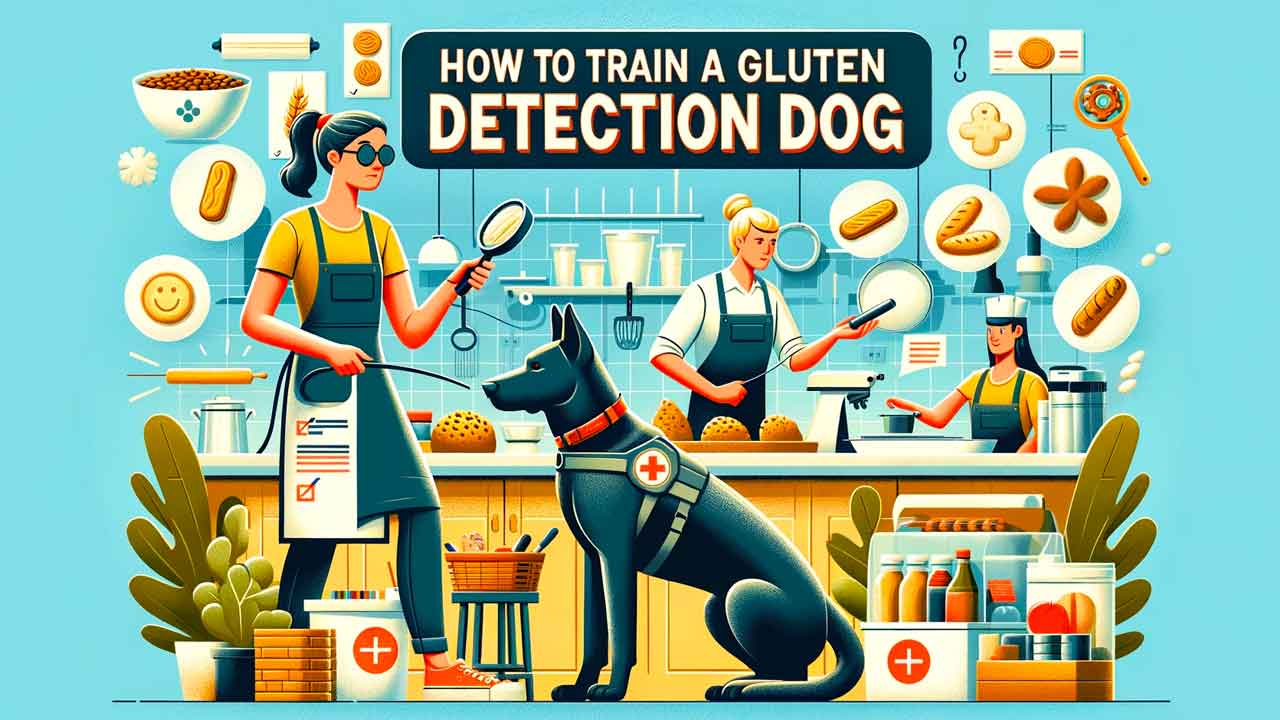
Imagine this: you walk into a restaurant, a cloud of pizza aroma hits you, and a tiny furry superhero by your side subtly alerts you to the presence of the enemy – gluten! That's the dream of many with celiac disease or gluten sensitivity, and it all starts with acquiring a gluten detection dog.
Is a Gluten Detection Dog Right For You?
First, ask yourself: are you really ready for a canine companion whose job is to sniff out the sneaky gluten hiding in your everyday life? It's not just about cuddles and walks; it's about dedication and constant training reinforcement.
Think of it like this: you're hiring a very cute, very fluffy, and occasionally mischievous employee whose payment comes in the form of treats and belly rubs. This employee needs constant supervision and ongoing education.
Must Read
Consider the Commitment
This is a long-term relationship! You can't just ditch your dog when you're tired of constantly quizzing it on whether that suspiciously delicious-looking cupcake is gluten-free. They require a lifelong commitment of care, training, and love.
Are you prepared to dedicate several hours each week to training? And what about the cost? Getting and maintaining a detection dog can be a significant financial investment. But more on that later!
Finding Your Gluten-Sniffing Sidekick
Okay, so you're still on board? Fantastic! Now, where do you find a gluten-detecting wonder dog? You have a few options, each with its own pros and cons.
Option 1: The Specialized Training Program
This is probably the most reliable route. Numerous organizations specialize in training service dogs, including those for gluten detection. These programs usually provide dogs that are already well on their way to mastering their gluten-sniffing skills.
The downside? Specialized training programs can be expensive. Be prepared for a hefty price tag, but remember you're paying for a highly skilled professional – a furry, four-legged professional, but a professional nonetheless!

Be sure to research reputable organizations. Look for programs with certified trainers and a proven track record of success. A poorly trained detection dog is worse than no detection dog at all; it could lead to false alarms and unnecessary gluten exposure.
Option 2: The DIY Approach (With Caution!)
Feeling adventurous? You can train your own dog to detect gluten. But be warned, this is not for the faint of heart! It requires patience, consistency, and a deep understanding of dog training principles.
You'll need to start by introducing your dog to the scent of gluten. Use gluten-containing foods (like bread or pasta) and teach your dog to associate that scent with a reward. Gradually increase the complexity of the training, teaching your dog to distinguish gluten from other similar scents.
Consider consulting with a professional dog trainer, especially one experienced in scent detection. They can provide guidance and help you troubleshoot any challenges you encounter. Remember, even with professional help, success isn't guaranteed.
Option 3: Rescue and Retrain
Many rescue organizations have dogs with amazing potential. You might find a dog with a natural aptitude for scent work who just needs a little guidance to focus their skills on gluten detection.

This approach is often more affordable than purchasing a fully trained dog from a specialized program. However, it can also be more time-consuming and require more patience. You'll need to assess the dog's temperament and trainability before committing to this route.
Working with a rescue organization can be incredibly rewarding. You're not only gaining a gluten-detecting companion but also giving a deserving dog a second chance at a happy and fulfilling life.
Training: The Never-Ending Story
Whether you get a pre-trained dog or train your own, ongoing training is essential. Just like any skill, gluten detection requires regular practice to maintain proficiency.
Set aside time each day for training sessions. Use positive reinforcement techniques, such as treats and praise, to motivate your dog. Remember, a happy dog is a learning dog!
Expose your dog to a variety of environments and situations. Practice detecting gluten in your home, at restaurants, and in other public places. The more real-world experience your dog gets, the better equipped they'll be to handle any situation.

The Cost of Gluten Detection
Let's talk about money. Gluten detection dogs aren't cheap. The cost can vary widely depending on the training program, the dog's breed, and the level of training.
Expect to pay anywhere from several thousands of dollars for a trained dog from a reputable program. DIY training can be less expensive upfront, but you'll need to factor in the cost of training supplies, professional guidance, and potential vet bills.
Don't forget about ongoing expenses, such as food, vet care, and toys. Owning a dog is a financial responsibility, regardless of their gluten-detecting abilities.
Living with a Gluten Detection Dog: A Day in the Life
So, what's it really like to live with a gluten detection dog? It's a mix of responsibility, amusement, and unwavering loyalty.
Imagine taking your dog to a bakery. While everyone else is drooling over the pastries, your dog is discreetly sniffing the air, alerting you to any potential gluten contamination. You become the envy of everyone with dietary restrictions!

But it's not all glamour and gluten-free croissants. There will be times when your dog gets distracted, gives false alerts, or simply refuses to cooperate. Patience is key! Remember, they're dogs, not robots.
And let's not forget the unconditional love and companionship that a dog brings. Having a gluten detection dog isn't just about managing your diet; it's about having a furry friend by your side who's always there to support you, gluten or no gluten.
The Unexpected Benefits
Beyond the obvious benefits of gluten detection, owning a dog can improve your overall health and well-being. Studies have shown that dog owners tend to be more active, have lower blood pressure, and experience less stress.
Plus, having a dog is a great conversation starter! Get ready to answer lots of questions about your dog's unique abilities. You'll become the local expert on all things gluten and canine.
Ultimately, getting a gluten detection dog is a big decision. It requires careful consideration, a significant investment of time and money, and a willingness to embrace the joys and challenges of dog ownership. But for those who are ready for the commitment, the rewards can be immeasurable. You are getting a loyal, loving, and gluten-sniffing companion!