How To Disconnect Hardwired Smoke Detector

Ah, the symphony of domestic life. The gentle hum of the refrigerator, the distant rumble of laundry, and then… the piercing shriek of a smoke detector, declaring an emergency that exists solely in its hyper-vigilant little circuit board. We’ve all been there: a perfectly seared steak, a slightly over-toasted bagel, or even just an extra steamy shower transforming our cozy abode into what the smoke alarm perceives as an imminent inferno. While these tireless guardians are undoubtedly crucial for our safety, there are moments – brief, controlled moments – when we yearn for a temporary truce, a moment of blissful silence. And that, my friends, is where the gentle art of temporarily disconnecting your hardwired smoke detector comes into play. It's less about "enjoyment" and more about reclaiming peace, gaining a momentary upper hand against an overly enthusiastic sentinel.
The primary benefit, you ask? Simple: the cessation of that ear-splitting, anxiety-inducing alarm. Imagine preparing a complex dish that involves a bit of smoke, or tackling a dusty DIY project, all without the constant threat of your smoke detector staging an intervention. It serves the practical purpose of allowing you to proceed with certain household activities without interruption or false alarms. Beyond nuisance, knowing how to safely disconnect them is also vital for maintenance, like when a unit needs replacing, or if a persistent, mysterious chirp from a hardwired system (often signalling a dying backup battery) is driving you to the brink.
Common examples? The "burnt the popcorn again" scenario is practically a national pastime. Or perhaps you're using a fog machine for a Halloween party (though exercise extreme caution with that one!). More seriously, think about light sanding during a home renovation, or a deep spring cleaning that stirs up more dust than usual. In these situations, your smoke detector, bless its heart, might interpret harmless particles as a genuine threat. Temporarily silencing it allows you to get the job done efficiently and without alarming the entire neighborhood.
Must Read
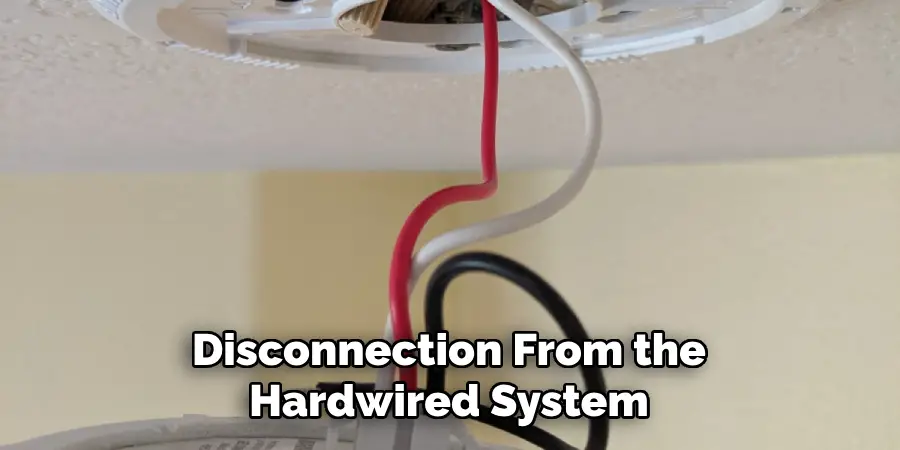
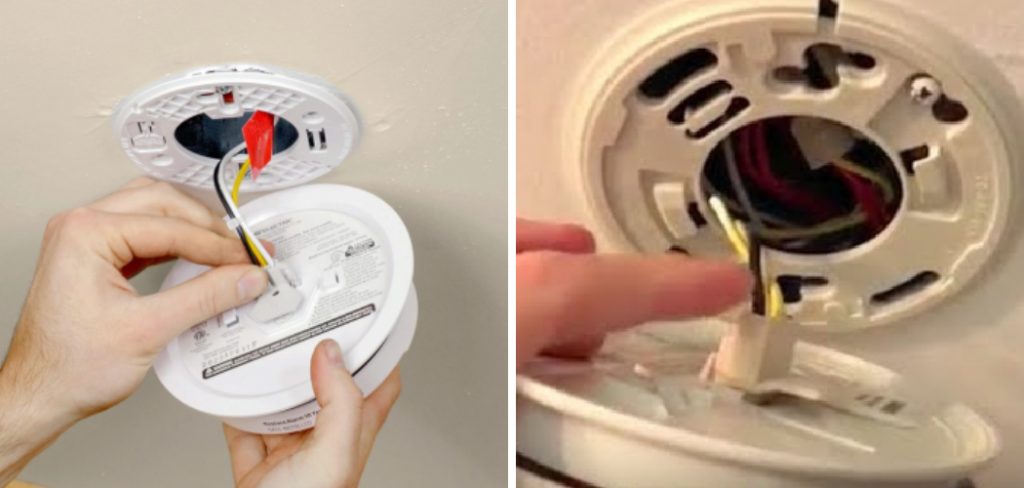
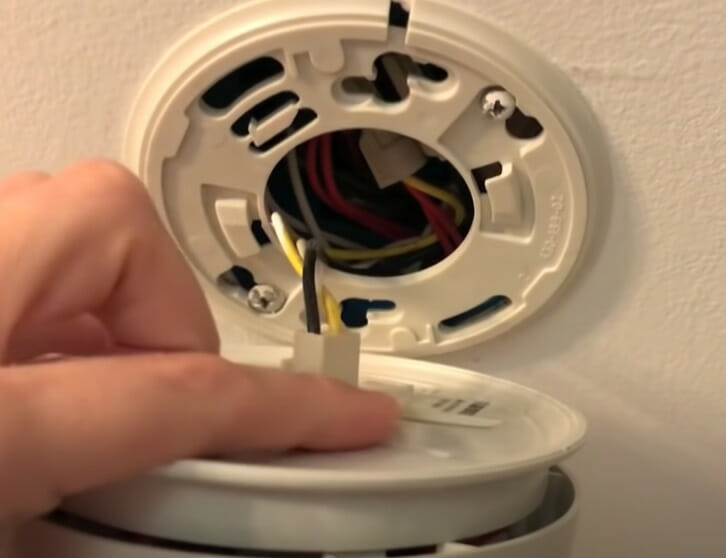
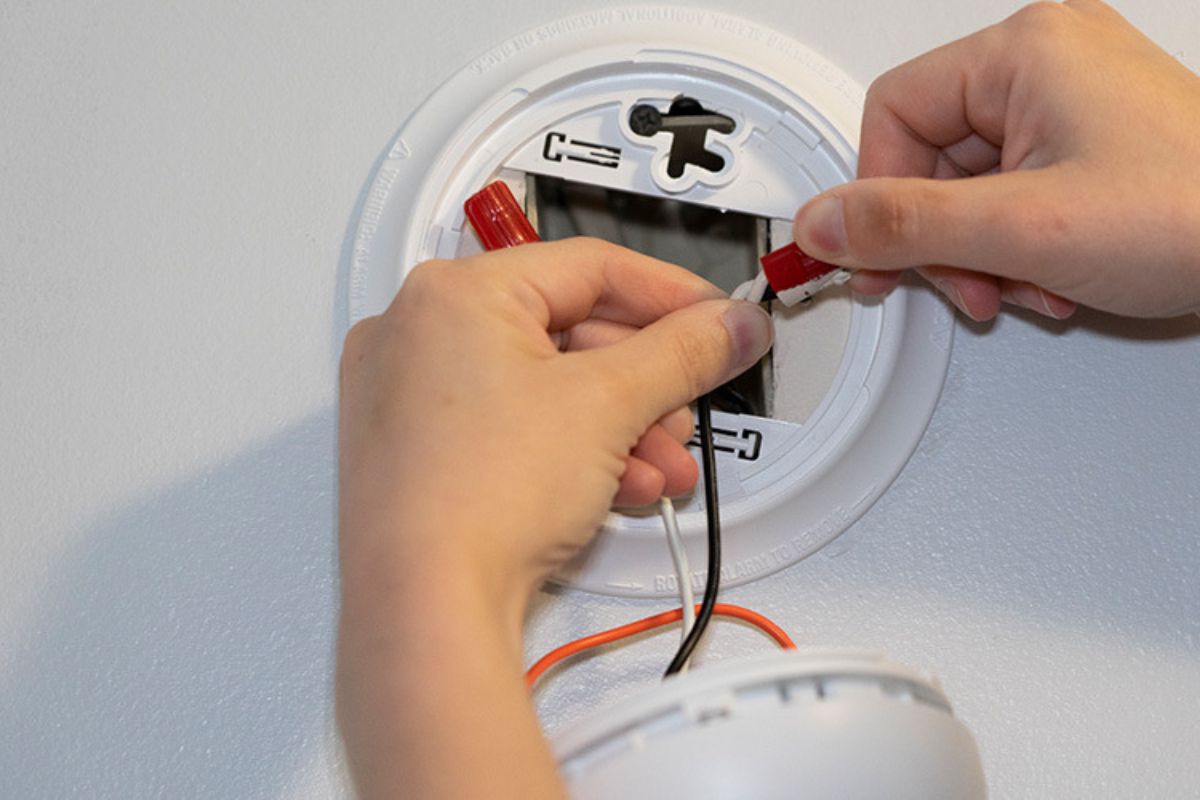
Now, for the practical tips on how to engage in this controlled rebellion more effectively, and most importantly, safely. This isn't about permanent removal; it's about a temporary, intentional pause. The first and most crucial step is to locate your home’s electrical panel and turn off the circuit breaker that powers your smoke detectors. Never attempt to disconnect a hardwired device without cutting its power first! If your breakers aren’t labeled, take this opportunity to find out which one controls the alarms and mark it clearly. Once the power is off, the detector unit usually detaches from its mounting bracket with a twist. You'll then see a wiring harness. Squeeze the tab on the connector and gently pull it apart. Don’t forget to remove the 9-volt backup battery, if one is present. It’s the last vestige of power and will keep chirping if left in!
To "enjoy it more effectively," remember this mantra: reconnect, reconnect, reconnect! This is a temporary measure. Before you forget, set a reminder on your phone, stick a bright note on the detector's empty bracket, or tie a ribbon around the wiring harness. When your smoky cooking is done, your dusty project complete, or your new detector installed, reverse the steps: connect the wiring harness, pop in a fresh 9-volt battery, twist the unit back onto its mount, and most importantly, flip that circuit breaker back on! Always perform a test immediately after reconnection to ensure your guardian is back on duty. While the momentary peace is glorious, your family's safety is non-negotiable.