How To Date A Baume & Mercier Watch

Ever wondered how old that elegant Baume & Mercier watch on your wrist (or tucked away in a drawer) actually is? Dating a watch, like getting to know anything with a history, can be surprisingly fun and rewarding. It's like a mini-detective game that connects you to a piece of craftsmanship and the era it represents. Whether you're a seasoned watch enthusiast or simply curious about your family heirloom, understanding how to date a Baume & Mercier adds a whole new dimension to appreciating its beauty.
So, why bother? For beginners, dating your watch provides a fascinating entry point into the world of horology. You’ll learn about historical production periods and design trends. For families, discovering the age of a Baume & Mercier passed down through generations can strengthen your connection to your heritage and add context to family stories. Knowing when Great-Grandpa acquired that timepiece makes it even more special! And for dedicated hobbyists, accurate dating is crucial for understanding the watch's originality, value, and place within the brand's historical timeline. It also helps with identifying the correct spare parts during repair or restoration.
Dating a Baume & Mercier watch generally involves a few key steps. First, examine the case back. Many Baume & Mercier watches have a serial number engraved there. This is your first clue. While Baume & Mercier doesn't publicly publish a comprehensive serial number database, you can often find information online through watch forums or by contacting Baume & Mercier customer service directly. Providing them with the serial number, along with photos of the watch, will significantly increase your chances of getting a definitive date.
Must Read
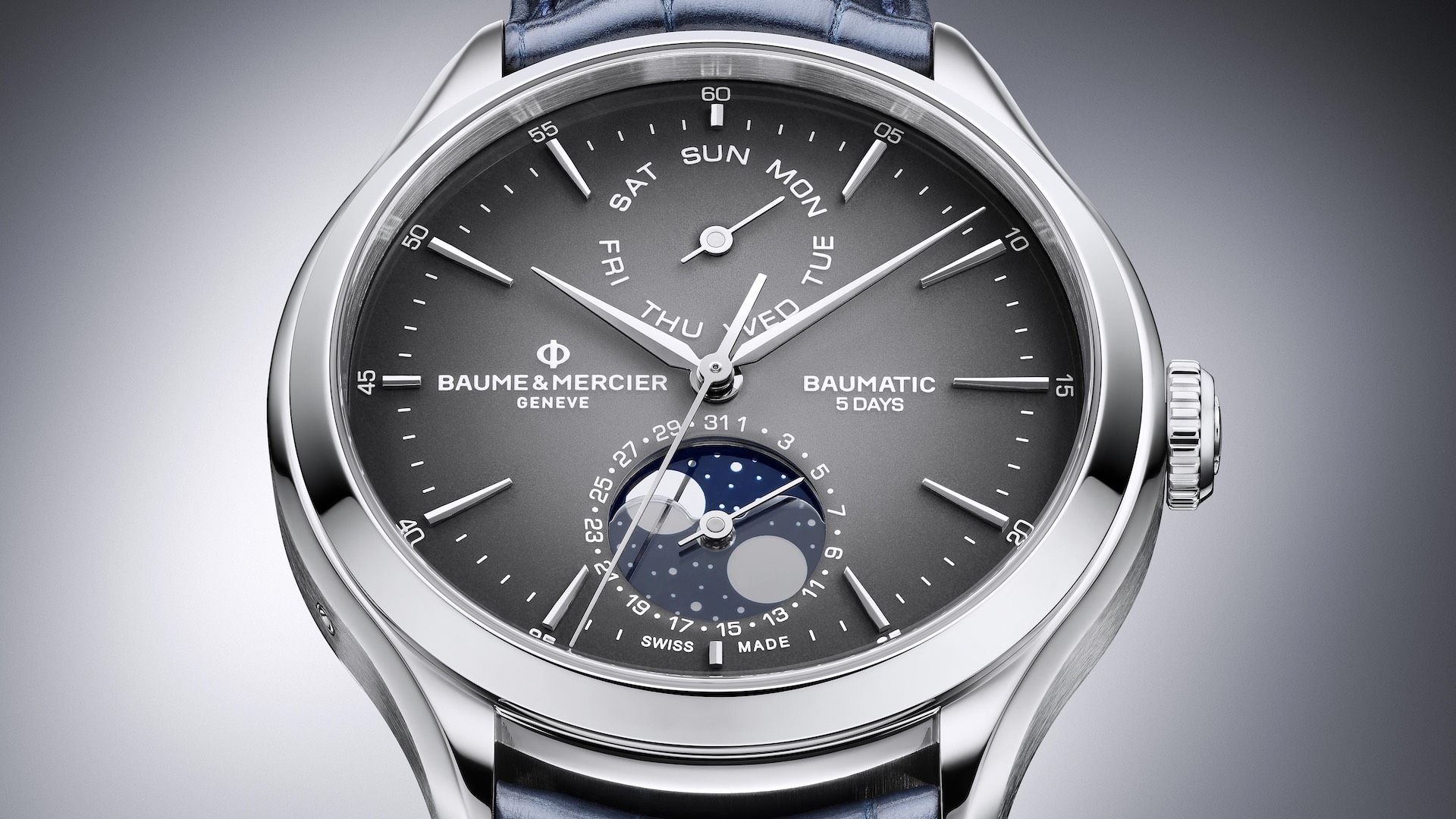
Next, analyze the design elements. Styles change over time, and certain features are characteristic of specific eras. For example, watches from the 1950s and 60s often have simpler, more elegant designs with thinner cases. Watches from the 1970s might feature bolder designs and integrated bracelets. Research Baume & Mercier's catalog archives or historical advertisements from different decades to identify similar models. Common variations involve case materials (gold, steel, etc.) and dial designs (Roman numerals, baton markers, etc.) that further help to pinpoint the era.
Another clue lies in the movement. While identifying the exact movement can be complex, noting whether it's manual-winding, automatic, or quartz can narrow down the possibilities. For example, quartz movements became prevalent in the 1970s and 80s. If your watch has a quartz movement, it likely dates from that period or later.

Here are a few practical tips to get you started: Take clear, high-resolution photos of the watch, including the case back, dial, and movement (if possible). These will be invaluable when seeking information online or contacting customer service. Join online watch forums and ask for assistance from experienced collectors. They often have extensive knowledge and can provide valuable insights. And most importantly, be patient and persistent. Dating a watch can sometimes take time and effort, but the satisfaction of uncovering its history is well worth it.
Dating your Baume & Mercier watch is more than just assigning a number to a timepiece. It's about connecting with the history of watchmaking, understanding the evolution of design, and appreciating the craftsmanship that went into creating a beautiful and enduring object. So, embrace the detective work, enjoy the journey of discovery, and revel in the newfound appreciation for your Baume & Mercier.