
How To Check For Carbon Monoxide Leak
Alright, you magnificent human, prepare to unleash your inner superhero! We're diving into the ridiculously easy, yet utterly crucial, art of checking for that sneaky, invisible villain known as carbon monoxide. Think of yourself as a secret agent, but instead of gadgets and espionage, your mission involves a few simple steps to keep your lair (aka home) safe and sound. No capes required, just a can-do attitude!
Your Home's Tiny, Mighty Guardian: The Carbon Monoxide Detector
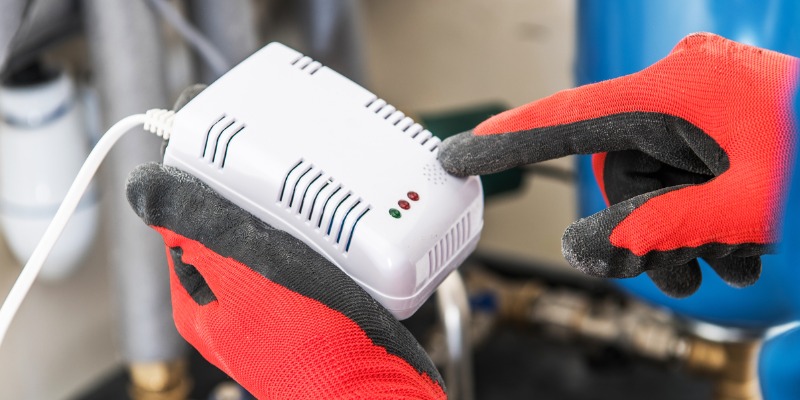
Let's be real, the easiest, most foolproof way to sniff out carbon monoxide is with a gadget specifically designed for it. We're talking about a carbon monoxide detector. It's like having a miniature, highly specialized security guard on duty 24/7, tirelessly keeping an eye (or rather, a sensor) on the air you breathe. Installing one is way less complicated than assembling IKEA furniture, we promise!
Setting Up Your CO Super Sleuth
Grab these detectors at any hardware store; battery-powered ones are super easy. Just pop in fresh batteries (like feeding a tiny, very important robot!) and you're set. Where do these little heroes stand guard? Place them near or inside every sleeping area, on each level of your home, and definitely near any fuel-burning appliances (furnaces, water heaters, fireplaces). They should be placed on a wall or ceiling, generally at least five feet off the ground. Avoid putting them right next to vents or open windows, as they need to sample the general air, not just a breezy draft.
Must Read
Pro Tip: Treat your carbon monoxide detector like your favorite houseplant – give it a little attention regularly, and it'll keep flourishing (and protecting!).
The All-Important Test Button (and What Happens Next)
Every carbon monoxide detector comes with a glorious test button. Once a month, give it a firm, loving press. It's like giving your superhero a quick training drill! You should hear a loud, piercing alarm – a triumphant sound letting you know it's awake and ready for action. If it chirps weakly or doesn't make a peep, it's time for new batteries or, gasp, a brand new unit. Most detectors have a lifespan of about 5-7 years, so check the "replace by" date on the back – they don't last forever, unlike your good looks!
Now, what if your tiny guardian decides to throw a full-blown alarm party when you haven't pressed the test button? This is not a drill! This is your cue to spring into action faster than a cat chasing a laser pointer. Immediately get everyone (including pets!) out of the house. Don't dilly-dally trying to find the source or grab your favorite mug. Just get out! Once you're safely outside, call your local fire department or emergency services. They're the real pros, and they'll come equipped to figure out what's what.
Beyond the Beep: Are There Other Clues?
While your carbon monoxide detector is the ultimate truth-teller, it's good to be aware of other potential whispers from your environment. Think of these as supporting characters in your detective story, not the main star.
Your Body's Own Warning System (Listen Up!)
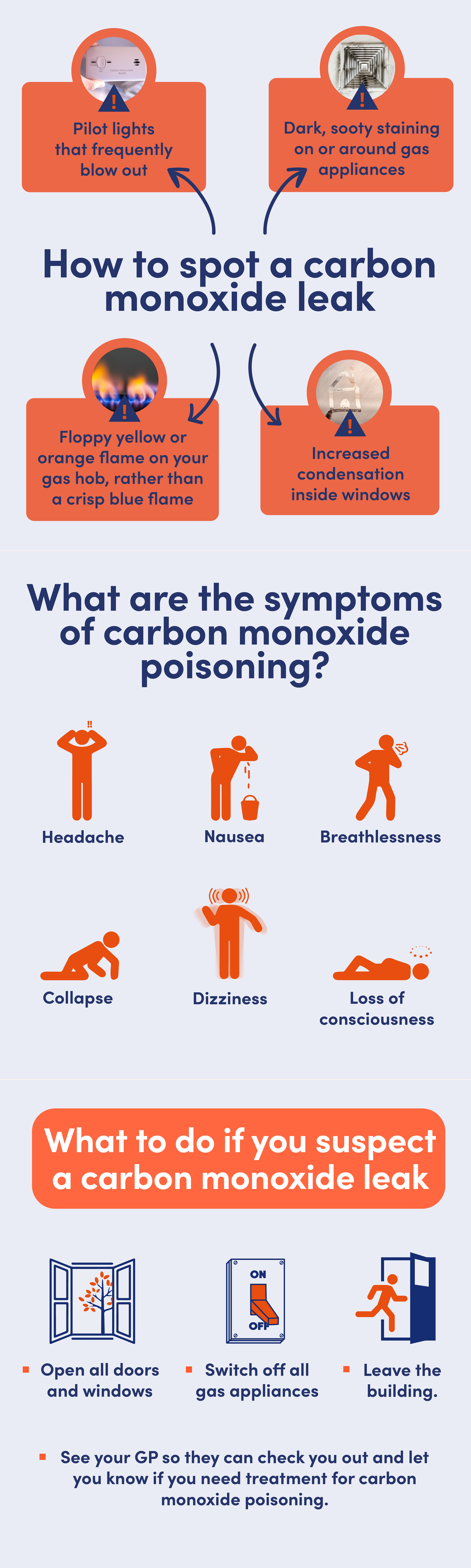
Carbon monoxide can make you feel… well, terrible. Imagine the worst flu you've ever had, but without the fever. We're talking headache, dizziness, nausea, shortness of breath, confusion, and just general weakness. If multiple people or pets in your home start feeling sick at the same time, especially when you're all indoors, and these symptoms ease up when you go outside, that's a gigantic flashing red light. This is not the time to play doctor; it's the time to get fresh air and call for help.
Your Furry Friends Might Be On To Something
Sometimes, your beloved pets can be early indicators. If your dog suddenly looks like it's seen a ghost, or your cat is acting stranger than usual (which, let's face it, is saying something for cats!), and they're showing some of those same flu-like symptoms, pay attention! Their smaller bodies can be affected faster than ours. But again, this is a "hmm, interesting" clue, not a definitive diagnosis.

The Appliance Tell-Tale Signs
Take a quick peek at your fuel-burning appliances – your furnace, water heater, gas range, or fireplace. Are gas flames yellow or orange instead of crisp blue? Is there a lot of soot or staining around the appliance? Are you seeing moisture build-up on windows and walls? These are signs that your appliances might not be burning fuel efficiently, which could potentially produce carbon monoxide. If you notice these, it's a good idea to get a professional to give them a once-over, even if your detector isn't screaming.
So there you have it, future safety guru! Checking for carbon monoxide isn't some super-secret, high-tech endeavor. It's mostly about a small, affordable device and a little bit of awareness. Pop those detectors in, test 'em regularly, and you're not just being responsible, you're being a total rockstar of home safety. Give yourself a pat on the back – you've earned it!
